Merino wool traceability and animal welfare
Jul 5 – Oct 26, 2026Updated Oct 26, 2026 Reviewed by Dimitry Apollonsky
AI summary
Smartwool has a clear lead for certified merino sourcing in socks and base layers.
It depends
Darn Tough also uses RWS-sourced merino, though certification may not cover every product or fiber.
Which brands AI mentions
ZQ-certified merino for socks and thermal base layers.
RWS-sourced merino socks, though certification may not cover every fiber.
Mentioned in
ChatGPTChatGPTGoogle AI ModeGoogle AI Mode


Widest split: Patagonia, 65% on ChatGPT and 41% on Google AI Mode.
- #1SmartwoolChatGPT 100%Google AI Mode 100%
- #2IcebreakerChatGPT 91%Google AI Mode 91%
- #3tiedPatagoniaChatGPT 65%Google AI Mode 41%
- #3tiedDarn ToughChatGPT 52%Google AI Mode 32%
- #5tiedDuckworthChatGPT 35%Google AI Mode 23%
Questions and answers
Google AI ModeOct 26, 2026
Finding merino wool brands that combine true supply chain transparency with rigorous animal welfare and environmental certifications can be tough, especially when looking across both socks and base layers.
The standout brands offering verified, certified sustainable sourcing and public transparency for both categories include:
- Icebreaker
- The Transparency: Offers deep supply chain visibility directly from "sheep to shirt" via their Icebreaker Transparency Page . They track direct grower contracts and disclose processing steps.
- The Certifications: Sources primarily ZQ-certified and ZQRX (regenerative) merino wool, guaranteeing high standards of animal welfare (mulesing-free), environmental land management, and social equity for farmers. Their lines are also shifting to near 100% plastic-free/synthetic-free components.
- Products: Renowned for world-class merino base layers, hoodies, and everyday/outdoor socks.
- Smartwool
- The Transparency: Commits to full traceability of its wool fiber through the Smartwool Advocacy & Sustainability Framework , explicitly tracing yarn origins back to partner farms.
- The Certifications: Exclusively uses ZQ Merino certification across their entire sock and apparel lines, ensuring environmental sustainability, animal welfare (freedom from mulesing), and traceable farm-level accountability.
- Products: Industry leaders in cushioned merino hiking/ski socks and comprehensive technical base layers (such as their Classic Thermal and Intraknit lines).[1][2]
- Patagonia
- The Transparency: Known for supply chain disclosure via their Footprint Initiatives and interactive supply chain tools, letting buyers trace where garments are stitched.
- The Certifications: Sources Responsible Wool Standard (RWS) certified merino wool and ensures that cut-and-sew assembly takes place in Fair Trade Certified™ facilities, locking in ethical labor practices alongside animal welfare.
- Products: High-performance merino-blend base layers and rugged outdoor socks.
- Finisterre
- The Transparency: Uses digital supply chain mapping partnerships (like Retraced ) so customers can trace the exact lifecycle and tier-suppliers of their wool garments.
- The Certifications: Certified 100% non-mulesed wool, heavily focused on British/regional sourcing and organic blends, minimizing carbon footprints by avoiding air freight.
- Products: Excellent cold-weather base layers, knitwear, and durable outdoor socks.
Are you looking for 100% pure merino wool items, or are you open to merino-synthetic blends (which are more durable for heavy-duty hiking socks)? Let me know and I can tailor specific product recommendations.
Sources cited in this answer2
ChatGPTOct 26, 2026
If you want merino wool socks and base layers with genuinely transparent, certified sustainable sourcing, I’d prioritize brands that can document where their wool comes from, how sheep are treated, and whether the finished garment is traceable to a responsible supply chain.
The key distinction is that “merino,” “natural,” “ethical,” and even “responsibly sourced” are not certifications by themselves. Look for independent standards such as Responsible Wool Standard (RWS), ZQ Merino, ZQRX, and GOTS where applicable, plus product-level traceability.
Best brands to consider
1. Icebreaker
(Best overall transparency)
Best for: Both socks and base layers.
Icebreaker publishes detailed transparency reports, traces its merino supply chain, and reports on its ZQ-certified wool program. Its 2025 transparency page says 93% of its merino wool was ZQ-certified, with a strong focus on animal welfare, land stewardship and traceability.
Shop: Socks ·
2. Smartwool
(Best for everyday outdoor gear)
Best for: Hiking socks and thermal base layers.
Smartwool identifies ZQ-certified merino in products such as its Hike Light Cushion socks and promotes its ZQRX regenerative wool program. ZQ addresses animal welfare, environmental sustainability, traceability and social responsibility. Check the certification claim for the particular base layer you buy.
Shop: Socks ·
3. Patagonia
Best for: Buyers who prioritize independently certified wool and broader environmental responsibility.
Patagonia states that all farms supplying its virgin wool are RWS-certified and that certified wool is tracked through the supply chain. It also has its own Patagonia Wool Standard, which goes beyond RWS. Its merino sock selection is worth checking; confirm current wool content and certification on each item.
Shop:
4. DeFeet
Best for: Traceable wool socks.
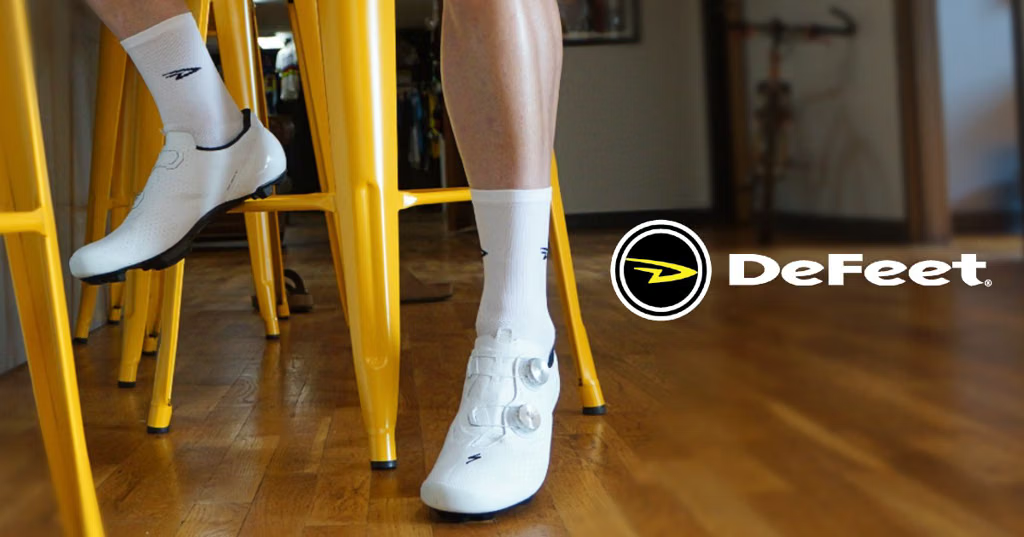
DeFeet explicitly describes its RWS-certified sock products as audited through the supply chain, from wool farms to retail. This makes it a particularly relevant choice if socks are your priority. It is a socks specialist rather than a full base-layer brand.
Shop:
5. Norrøna
Best for: Technical outdoor clothing.
Norrøna documents its merinoUll material as RWS-certified and traceable, including merino used in socks. Look for explicit RWS material details when shopping for base layers, because certification can vary by material and product.
Shop:
Which certifications matter most?
Standard What it helps verify RWS — Responsible Wool Standard Independent animal-welfare and land-management requirements, with chain-of-custody tracking. ZQ Merino Wool production standards covering animal welfare, environmental stewardship, traceability and social responsibility. ZQRX A regenerative wool sourcing program focused on improving farming and environmental outcomes. GOTS Organic textile processing and environmental and social criteria across the certified textile supply chain; verify the actual product scope. One important caveat: certification is not the same as full farm-level transparency. Textile Exchange explains that RWS certification alone does not necessarily disclose the identity of every sheep farm.
My recommendation
- For both socks and base layers: Start with Icebreaker and Smartwool.
- For a strong documented wool-sourcing policy: Consider Patagonia, especially for socks.
- For socks specifically: Add DeFeet to your shortlist.
- For technical outdoor layers: Consider Norrøna.
Before buying, check the individual product for a certification claim, the percentage of merino wool, and whether synthetic fibers are included for durability. Brand-wide sustainability commitments do not automatically certify every garment.
One question that would help narrow this down: Are you looking primarily for everyday wear, hiking and backpacking, or cold-weather work and winter sports? I can then focus on the brands with the strongest sourcing evidence for your intended use.
- Icebreaker
ChatGPTOct 16, 2026
If you want merino wool base layers and socks with a genuinely verifiable ethical supply chain, I’d prioritize brands that use independently certified wool, farm-to-product traceability, and documented animal-welfare standards—rather than relying on general claims such as “responsibly sourced” or “eco-friendly.”
Two certifications and sourcing programs are especially useful:
- Responsible Wool Standard (RWS): independently verifies animal-welfare and land-management practices and tracks certified wool through the supply chain. It does not, by itself, guarantee that you can identify the individual farm or verify every aspect of worker welfare.
- ZQ / ZQ+: wool programs with independently audited requirements for animal welfare, environmental stewardship, social responsibility and traceability back to the farm. ZQ+ adds a regenerative-agriculture focus.
Here are the brands I’d investigate first, with an emphasis on products you can buy in the US.
Brands worth considering
1. Smartwool
(Base layers + socks)
Certification: ZQ-certified merino wool.
Smartwool states that it sources ZQ wool under requirements covering animal welfare, land stewardship and social responsibility. It also describes auditing its manufacturing partners. Look for ZQ-certified base layers and hiking socks, rather than assuming every item uses identical materials.
- Base layer: Classic Thermal Merino Base Layer Crew — 100% merino.
- Socks: Hike Full Cushion Crew Socks — ZQ-certified merino.
Shop: Smartwool base layers ·
2. DeFeet
(Socks — detailed traceability)
Certification: RWS, with a supply chain linked to Shaniko Wool Company.
DeFeet identifies specific socks made with wool audited from ranch to finished product. It describes third-party audits covering the supply chain and says the certified wool is processed and knitted in the US. This is particularly compelling if you want evidence of where the wool comes from, not just a broad sustainability pledge.
- Look for the RWS-certified label on individual sock listings.
- Particularly relevant for hiking, cycling and other active use.
Shop:
3. Patagonia
(Base layers)
Certification: RWS, plus Patagonia's own wool standard.
Patagonia states that all farms supplying its virgin wool are RWS-certified and that its own Patagonia Wool Standard goes beyond RWS requirements. This provides a clearly documented animal-welfare and land-management framework. Verify the fiber composition and wool certification of the specific base layer you choose.
- Worth investigating for outdoor layering systems.
- Its general wool policy is useful evidence, but does not establish that every merino-blend garment has the same composition or certification.
Details:
4. BRANWYN
(Close-to-skin layers)
Certification: ZQ+ merino wool; OEKO-TEX Standard 100 and REACH compliance are also claimed by the brand.
BRANWYN announced in May 2026 that it had transitioned to ZQ+ certified merino wool. Its range includes leggings, long-sleeve tops, bras and underwear, making it an option for lightweight layering and travel. Its wool certification is relevant to farm practices; OEKO-TEX addresses a different question, concerning harmful substances in textiles.
- Best suited to people seeking close-fitting layers and innerwear rather than conventional heavy winter thermals.
- No socks in its core range that I could verify.
Shop:
5. Rawganique
(Socks — organic fiber focus)
Sourcing claim: Certified organic French and Italian merino yarn in selected sock products.
Rawganique offers organic-merino socks, including some elastic-free designs. This is an interesting alternative if you want simpler fiber compositions and minimal synthetics. However, organic certification is not the same as a full animal-welfare certification or proof of traceability through every manufacturing stage, so ask for the applicable certificate and scope before buying.
Shop:
How the certifications compare
Standard or program What it helps verify Important limitation RWS Animal welfare, land management and chain-of-custody tracking Doesn't necessarily disclose the farm to consumers ZQ Audited animal welfare, environmental practices and social responsibility Check that the actual product uses ZQ-certified wool ZQ+ ZQ framework plus a regenerative-agriculture focus Regenerative claims aren't a guarantee of zero environmental impact Organic fiber certification Compliance with the applicable organic production requirements Doesn't automatically establish worker welfare or full garment traceability OEKO-TEX Standard 100 Testing for harmful substances in the certified textile product Doesn't certify ethical wool farming Sources: Textile Exchange, Zentera and OEKO-TEX-related brand disclosures.
My practical buying checklist
Before purchasing, I'd check these four things:
- Product-level proof: Does the exact base layer or sock explicitly identify its certified wool, rather than merely stating that the brand uses certified wool?
- Traceability: Can the company identify the wool's origin and explain how it is tracked through spinning, knitting and manufacturing?
- Animal welfare: Is there an audited standard that addresses mulesing and other animal-welfare practices?
- Factory and worker accountability: Does the brand disclose factory audits, worker protections or an equivalent independent verification process?
One important distinction: a certification can establish specific audited requirements without proving that an entire garment's supply chain is perfect. For the strongest evidence, look for both a named certification and documentation covering the product's actual production chain.
My starting shortlist: Smartwool for both base layers and socks, DeFeet for socks with unusually explicit US ranch-to-retail traceability, and Patagonia for a documented wool-sourcing policy. BRANWYN is worth exploring for lightweight merino layers.
If you tell me whether these are primarily for cold-weather hiking, skiing, backpacking or everyday wear, I can narrow the list to specific products and compare their certification evidence, fiber content and price.
Sources cited in this answer19
- textileexchange.orgResponsible Wool Standard (RWS)
- patagonia.comResponsible Wool Standard (RWS) - Patagonia
- zenterawool.comWool grown with care | ZQ certified wool | Zentera quality wool | Zentera
- zenterawool.comZQ certified wool | ZQ+ wool | Merino wool | Strong wool
- branwyn.comWhy Merino Wool | Benefits of Merino Wool Bras & Underwear
- smartwool.comEthically Sourced Wool – Smartwool
Google AI ModeOct 16, 2026
Finding merino wool with verifiable, transparent supply chains requires looking for trusted third-party agricultural and ethical standards—most notably the ZQ Merino Certification and the Responsible Wool Standard (RWS) . These accreditations rigorously audit farms for animal welfare (including a strict anti-mulesing policy), environmental land management, and social/labor worker rights.
The following brands stand out for certified sourcing in base layers and socks:
1. Smartwool
- Products: Renowned for performance hiking/ski socks and a wide range of thermal top and bottom base layers (such as the Classic and All-Season lines).
- Certifications: Exclusively uses ZQ-certified Merino wool sourced from partner growers primarily in New Zealand.
- Supply Chain Transparency: ZQ accreditation ensures traceability back to individual farms, guaranteeing freedom from mulesing, high standards of animal welfare, and grower livelihood protections. Smartwool also outlines clear circularity roadmaps on their Smartwool Ethically Sourced Wool Page.
2. Icebreaker
- Products: Offers a massive catalog of pure and blended merino base layers (like the Oasis/Tech Crewe line) and high-performance outdoor socks.
- Certifications: ZQ Merino Certified across their entire apparel lineup.
- Supply Chain Transparency: Icebreaker operates on a "fibres of nature" philosophy, explicitly tracking yarn origins. Their hangtags and digital transparency portals allow customers to trace garments back to the specific sheep stations in the Southern Alps of New Zealand. You can explore their material ethos on the Icebreaker Official Website.[1][2]
3. Patagonia
- Products: High-end technical base layers and durable merino-blend performance crew socks.
- Certifications: Responsible Wool Standard (RWS) certified.
- Supply Chain Transparency: Patagonia works strictly with certified grasslands and RWS-compliant ranches (primarily in Patagonia and select global regions) to ensure soil health, rotational grazing practices, and humane animal handling. Details on their sourcing and environmental footprint are available on the Patagonia Stories Platform.
4. Maggie’s Organics
- Products: Heavy-cushion everyday and mountain-hiker merino wool socks.
- Certifications: GOTS (Global Organic Textile Standard) and Fair Trade Certified.
- Supply Chain Transparency: Maggie's sources their organic merino wool from small family-owned farms in Argentina, ensuring fair wages and safe working conditions combined with a chlorine-free anti-felt treatment that complies with international organic standards. Review their ethical text practices via Maggie's Organics.
Would you prefer to focus on 100% pure merino wool or a nylon-blended fabric (which adds durability for high-wear socks)? Let me know and I can narrow down specific item recommendations.
Sources cited in this answer2





Also asked as
- Are there any merino wool base layer or sock brands that provide verified documentation for their sustainable sourcing and animal welfare policies?