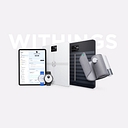
Withings holds a clear lead as the primary recommendation for overall smart scales and seamless Wi-Fi syncing. For personal trainers assessing clients on the go, InBody is the usual answer.
Since July, Accu-Measurerising has become the go-to recommendation for digital body fat calipers, while Garminrising and Wyzerising have expanded their visibility across the market.
Latest insights
Week of Sep 21–27 · Since Jul 5
Garmin Vivoactive Gap between platforms: The platform gap for Garmin Vivoactive in Nutrition and Body Composition Trackers narrowed to 14.6 points, ChatGPT Search ahead
InBody Gap between platforms: ChatGPT Search now names InBody 21.6 points more often than Google AI Mode in Nutrition and Body Composition Trackers, a widened gap
Wyze Scale X Slipping: Wyze Scale XTanita moved ahead of Wyze Scale X in Nutrition and Body Composition Trackers
Wyze Scale X Slipping: Wyze Scale X ranked #6 in Nutrition and Body Composition Trackers last week and #7 this week
Eufy Gap between platforms: Google AI Mode mentions Eufy 15.9 points more often than ChatGPT Search in Nutrition and Body Composition Trackers
20% of citations point at the ranked brands’ own sites. wareable.com, youtube.com, reddit.com are the most-cited sites outside the ranked brands’ own domains.
The Withings Body Comp is widely regarded as the best premium smart scale due to its clinical-grade health metrics, high-resolution color screen, and robust Wi-Fi synchronization, while budget-friendly alternatives like the Wyze Scale X offer exceptional value for basic tracking.[](https://www.nytimes.com/wirecutter/reviews/best-smart-scales/)
The top smart scales vary depending on features, budget, and ecosystem needs:
Features multi-frequency bioelectrical impedance analysis (BIA), vascular age tracking, standing heart rate, and electrodermal activity testing to assess nerve health. It supports up to 8 users with automatic recognition and syncs seamlessly via Wi-Fi or Bluetooth.
Delivers reliable, consistent weight and body composition readings, supports multiple users, and includes special modes for weighing pets or luggage at an accessible price point.
RENPHO Elis 1 (Best Affordable App-Connected Scale): Measures 13 core body metrics including BMI, BMR, and muscle mass, and connects to a feature-rich smartphone app that integrates with major fitness trackers.
MorphoScan (Best Mid-Range Segmental Analysis): Utilizes an 8-electrode design with a retractable handle to deliver segmental body composition reports covering over 50 different metrics.[](][3][4]
When it comes to consumer smart scales, no single brand offers absolute medical-grade accuracy for body fat percentage. Consumer smart scales use Bioelectrical Impedance Analysis (BIA) , which sends a safe, low-level electrical current through your lower body (or upper and lower body if it has a handle) and estimates body composition based on how fast the current travels.
My pick for the best smart scale for most people in 2026 is the Withings Body Smart. It offers a strong balance of weight tracking, body-composition estimates, automatic syncing, and a polished app without the cost of a premium body scanner. Recent 2026 reviews also favor it as an all-around choice.
The right choice depends on whether you mainly want to track weight, monitor body fat and muscle, or integrate your measurements with a fitness ecosystem.
Best smart scales to consider
BEST OVERALL
1. Withings Body Smart
$130
A great everyday choice with Wi-Fi and Bluetooth, body-fat and muscle estimates, weight trends, and support for up to eight users.
Best for: Most households and people focused on long-term weight or fitness progress.
One important caveat: Smart scales generally measure weight more reliably than body-fat percentage or muscle mass. Those extra values are estimates based on electrical impedance and can vary with hydration, meals, and exercise. Use them to follow trends over time rather than treating them as precise measurements.
My advice: I'd start with the Withings Body Smart unless you specifically want a budget model or already use Garmin.
One question that would help me narrow it down: What's your main goal — weight loss, muscle gain/body-fat tracking, or general health monitoring?
Because impedance can fluctuate wildly based on your hydration levels, salt intake, skin temperature, and when you last ate or worked out, BIA scales are best used for tracking trends over time rather than giving you an exact, pin-point body fat percentage.
That said, some brands and models perform significantly better than others by using multi-frequency BIA or adding a retractable handle for segmental analysis.
Top Contenders for Best Accuracy and Consistency
Withings (Models: Withings Body Smart or Withings Body Comp)
Why it’s a top pick: Withings is widely regarded as the gold standard for consumer smart scales due to its multi-frequency BIA technology and patented Position Control technology, which ensures your posture is correct for every weigh-in.
Pros: Highly consistent day-to-day tracking, excellent Wi-Fi synchronization, robust app integration (Apple Health, Google Fit), and clean design. The Body Comp model even adds cardiovascular and nerve health metrics.
How to Get the Most Accurate Readings from Any Scale
Even the best smart scale will give you flawed data if you don't control your environment. To maximize consistency:
Weigh yourself at the exact same time every day: First thing in the morning, immediately after using the bathroom, and before eating or drinking anything.
Stay consistent with hydration: Dehydration can falsely spike your body fat percentage, making you look fatter than you are.
Avoid weighing after heavy workouts or alcohol: Both drastically disrupt your body's water distribution and throw off BIA algorithms.
If you want to narrow down your choice, let me know:
Do you prefer a standard foot-only scale or one with a handheld sensor handle?
If body-composition accuracy—especially body-fat percentage—is your priority, I’d focus on multi-frequency, hand-to-foot BIA scales, rather than basic foot-only smart scales.
My pick: Withings
Withings Body Comp - $229.99 (DICK’S Sporting Goods)
Withings is the brand I’d look at first for a consumer smart scale. Its higher-end models use multi-frequency BIA, and Withings says the Body Comp measures fat, muscle, water and bone mass.
If you want maximum body-composition detail rather than convenience, the Withings BodyFit/Body Scan-style scales with a hand grip have an important advantage: current travels from your hands through your body to your feet, rather than primarily through the lower body. Withings specifically says this produces a measurement more representative of whole-body impedance.
waist circumference fitness at home" aspectRatio="3:4" maxWidth="124px"/>
<box flex="1" gap={1}>
<title size="lg">1. Measuring tape</title>
<row align=center gap={2} wrap="wrap">
<badge color="success">Best budget option</badge>
<text color="secondary" size="sm">$2–$10 one-time</text>
</row>
Measure your waist, hips, chest, upper arms, and thighs. Waist measurements can help you monitor changes in abdominal fat, while arm and thigh measurements can help you track changes in muscle size.
  - Measure every 2–4 weeks.
  - Use the same landmarks and tape tension each time.
  - Take measurements under similar conditions, ideally in the morning.

  <text color="secondary" size="sm">Limitation: circumference measurements cannot distinguish muscle from fat on their own. <Cite refs={["turn610361search13","turn610361search24"]}/></text>
</box>
</row>
<divider color="subtle"/>
<row align=start gap={3}>
<AsyncImage query="digital bathroom weighing scale on tile floor minimalist" aspectRatio="3:4" maxWidth="124px"/>
<box flex="1" gap={1}>
<title size="lg">2. A basic digital scale</title>
<text color="secondary" size="sm">$10–$25 one-time, if you don't already own one</text>
Track body weight to understand your overall trend. Weigh yourself in the morning after using the bathroom and before eating, using the same scale on a hard, level floor.
  - Record daily weights or weigh 3–4 times per week.
  - Compare weekly averages rather than individual readings.
  - Combine weight with waist measurements and gym performance.

  <text color="secondary" size="sm">Limitation: weight alone cannot tell whether a change comes from fat, muscle, water, or food in your digestive system. <Cite refs={["turn610361search4","turn610361search6"]}/></text>
</box>
</row>
<divider color="subtle"/>
<row align=start gap={3}>
<AsyncImage query="smartphone on tripod taking fitness progress photos person standing side view at home" aspectRatio="3:4" maxWidth="124px"/>
<box flex="1" gap={1}>
<title size="lg">3. Progress photos</title>
<text color="secondary" size="sm">Free</text>
Take front, side, and back photos every 2–4 weeks.
  - Use the same lighting, distance, clothing, and poses.
  - Keep the camera angle consistent.
  - Compare photos monthly or quarterly, not day to day.

  Photos can reveal changes in definition and body shape that the scale misses. <Cite refs={["turn610361search13","turn610361search5"]}/>
</box>
</row>
<divider color="subtle"/>
<row align=start gap={3}>
<AsyncImage query="person recording dumbbell strength training workout weights and reps in notebook" aspectRatio="3:4" maxWidth="124px"/>
<box flex="1" gap={1}>
<title size="lg">4. A strength-training log</title>
<text color="secondary" size="sm">Free — notebook or spreadsheet</text>
Record the weights, reps, and sets for your main exercises, such as squats, rows, presses, and deadlifts.
  If your strength is increasing, your measurements are changing, and your waist is stable or shrinking, those combined trends can support the conclusion that your body composition is improving.

  <text color="secondary" size="sm">Limitation: getting stronger doesn't automatically mean gaining muscle; technique and nervous-system adaptations also matter.</text>
</box>
</row>
<divider color="subtle"/>
<row align=start gap={3}>
<AsyncImage query="inexpensive plastic skinfold body fat caliper measuring skin fold fitness" aspectRatio="3:4" maxWidth="124px"/>
<box flex="1" gap={1}>
<title size="lg">5. Skinfold calipers</title>
<text color="secondary" size="sm">About $5–$20 one-time</text>
These inexpensive tools measure the thickness of skinfolds at specific body sites. A consistent protocol can help track changes in subcutaneous fat.
  - Learn a standardized measurement technique.
  - Take multiple readings at each site.
  - Use the same sites and calculation method each time.

  <text color="secondary" size="sm">Limitation: results depend heavily on technique and are harder to obtain accurately without practice. <Cite refs={["turn610361search13","turn610361search7"]}/></text>
</box>
</row>
</box>
Bonus: Estimate body fat percentage for free
The U.S. Navy circumference method uses body measurements and a free online calculator to estimate body fat percentage. You don't need a smart scale or calipers.
You'll generally need your height, neck and waist measurements, plus hip circumference for the female equation. The result is an estimate, not a direct measurement of body fat. <Cite refs={["turn610361search24","turn610361search0"]}/>
What about smart scales?
Smart scales that estimate body fat and lean mass using bioelectrical impedance can be convenient, but they're optional. Their estimates are affected by hydration and other conditions, so changes in the displayed muscle mass may reflect changes in body water rather than actual muscle growth. <Cite refs={["turn610361search11","turn610361search8"]}/>
If you eventually want one, you can buy a compatible scale outright rather than pay for a subscription. But I'd start with free methods first.
  <text color="secondary" size="sm">Log exercises, weights, and repetitions.</text>
</box>
</row>
<text color="secondary" size="sm">Keep everything in a free spreadsheet or notebook. Look for trends over 8–12 weeks rather than reacting to individual readings.</text>
</box>
The bottom line: For most people trying to lose fat while preserving or building muscle, a basic scale, a measuring tape, progress photos, and a strength log provide excellent value for $0–$25 if you already own a scale. They won't give you an exact muscle-mass figure, but together they can help you judge whether your training and nutrition are working.
Are there any inexpensive tools or techniques for tracking body composition metrics like muscle and fat percentage that avoid recurring subscription costs?
Yes — there are several inexpensive ways to track body composition, including estimated body-fat percentage, muscle mass, and changes in lean mass, without paying a recurring subscription fee.
The key is to distinguish between measuring your actual body composition and tracking changes over time. Consumer devices can estimate fat and muscle percentages, but many are not accurate enough to treat their individual readings as exact. For most people, combining a few simple measurements is a better value than paying for an expensive smart scale.
The best options at a glance
Method
Upfront cost
What you can track
Best for
Tape measure + free calculator
$0–$10
Estimated body-fat %, waist size
Cheapest option
Skinfold calipers
$10–$25
Subcutaneous fat and estimated body-fat %
Learning whether fat is decreasing
Smart body-fat scale
$25–$60
These are approximate US costs, not guaranteed current prices. The tape and caliper methods depend on technique, while smart scales estimate body composition using bioelectrical impedance.
1. Best overall value: an inexpensive smart scale
If you want to see a body-fat percentage and muscle-mass estimate automatically, a basic smart scale is probably the most convenient choice.
RENPHO Elis 1 Smart Body Scale
$24.99
Target · App-based tracking
Estimates body fat, muscle mass, body water and other metrics. A good budget starting point if you are comfortable using a phone app.
Recurring subscription: the basic tracking app is advertised as free; verify current app terms.
Other low-cost models are available, but I would prioritize a clear free-app policy, easy data export, and reliable weight readings over a claim to measure 30 or 50 different metrics.
Important limitation: most foot-to-foot smart scales estimate body composition from electrical resistance and personal profile information. Hydration, meals, exercise, and the time of day can change the results. Muscle mass is also an estimate, not a direct measurement of your muscle tissue. Use the readings to follow trends rather than trusting every percentage point.
2. Cheapest method: a tape measure and a free calculator
Cost: $0–$10
You can estimate body-fat percentage using the US Navy circumference method. It uses height and measurements such as waist and neck; the formula also uses hip circumference for women.
The biggest advantage is that it costs almost nothing and doesn't depend on batteries, proprietary apps, or subscriptions.
You can also measure your waist once a week and take progress photos monthly. Together, these help show changes even if your estimated body-fat percentage isn't exact.
3. Skinfold calipers: a low-cost alternative
Cost: roughly $10–$25
Calipers measure the thickness of skinfolds at specific body sites. You enter the measurements into a body-fat equation to estimate your percentage.
No batteries or app required.
Reusable indefinitely with reasonable care.
More technique-sensitive than a tape measure.
For the best results, use the same measurement sites and technique every time. Having the same trained person take the measurements can improve consistency.
4. How to track muscle gain without expensive equipment
If your main goal is to determine whether you're gaining muscle while losing fat, you don't necessarily need a device that claims to measure muscle mass.
Track these four things together:
Body weight
Weigh yourself in the morning under similar conditions and compare weekly averages.
Waist circumference
Measure weekly at the same location and without pulling the tape tight.
Strength performance
Log weights, repetitions, and sets for your main exercises. Increasing strength over time can support the picture of progress, although strength gains alone don't prove muscle growth.
Progress photos
Take front, side, and back photos every four weeks using similar lighting, posture, and distance.
This combination is particularly useful for body recomposition — gaining muscle while reducing fat. No single metric can reliably establish both changes on its own.
My recommendation
Under $10: use a tape measure, a free body-fat calculator, and a spreadsheet.
Around $25–$40: add a basic smart scale with free ongoing app access if you want automatic estimates.
If accuracy matters more than convenience: consider an occasional professional body-composition scan as a reference point, then use home measurements between scans.
Research comparing consumer smart scales with DEXA has found that weight readings can be quite close while estimates of fat and muscle mass can differ substantially.
One question that would help me narrow this down: Are you primarily trying to track fat loss, muscle gain, or both? That affects which method gives you the most useful information for the money.
I need a budget-friendly way to measure my body fat and muscle mass. Can you suggest options that don't involve expensive equipment or ongoing subscription costs?
Measuring body fat and muscle mass on a strict budget is entirely doable. While clinical methods like DEXA scans offer high precision, affordable at-home alternatives can track your progress reliably if you focus on consistency rather than absolute clinical perfection.
You can track both body fat and muscle mass without buying expensive gym equipment or paying a monthly subscription. The best budget-friendly approach is usually to combine a tape measure, a regular scale, and a free tracking app or spreadsheet.
One important distinction: body fat and muscle mass are difficult to measure accurately at home. Most affordable methods estimate them, but they're still useful for tracking changes over time when you measure consistently.
When looking for the best digital body fat caliper, the market splits into two distinct categories: professional/clinical-grade devices and budget-friendly home-use tools . Because true spring-loaded mechanical pressure calibration is difficult to maintain accurately in cheap digital handheld units, your choice depends heavily on your budget and how you plan to use it.
1. Best Professional / Clinical Grade: Skyndex Electronic Skinfold Caliper
Best for: Clinical researchers, professional athletic trainers, and high-end fitness clinics.
Price Range: ~$600 – $850
Why it’s the best: The Skyndex is the gold standard for digital skinfold measurement. It eliminates user data-entry errors by incorporating built-in microprocessors that instantly compute body fat percentage using standard scientific equations like the Jackson-Pollock 3-site or Durnin formulas. It delivers repeatable, high-precision electronic measurements and removes the guesswork of reading a manual dial or looking up separate conversion charts. You can view listing details via Medical Supply Professionals.[1][2]
2. Best Budget / Home-Use Digital Caliper: Tekcoplus Digital Body Fat Caliper (TMTK-117)
Best for: Personal home tracking and solo body composition monitoring.
Alternative (Non-Digital Mention): Sequoia Fitness TrimCal 4000
If you are open to a non-digital mechanical option for home use, many fitness experts prefer a reliable analog spring-loaded option like the TrimCal 4000 (~$16) over cheap digital alternatives because a consistent physical spring tension provides repeatable manual pressure without relying on electronic sensors.
If you'd like to narrow this down, let me know:
Are you looking for a tool for personal home use or a professional/gym setting?
The best digital body fat caliper depends on whether you want the most repeatable measurements, the easiest at-home tracking, or the most accurate estimate of body fat percentage.
One important distinction: a digital caliper measures skinfold thickness, usually in millimeters, and estimates body fat from those measurements. It doesn't directly measure body fat. Your technique and using the same measurement sites consistently can matter more than having a fancy digital display.
For most people, I'd prioritize a caliper with consistent spring pressure, a clear digital readout, and a design that's easy to use repeatedly.
My top picks for digital body fat calipers
(Best digital pick)
1. Tekcoplus Skin Fat Caliper Tester
$13
Approximate price in a 2026 review
A simple digital readout with millimeter and inch measurements. A good choice for inexpensive at-home tracking, especially if you want to read measurements yourself.
The professional option, with spring-loaded jaws designed to apply consistent pressure and built-in body-fat estimation formulas. Better suited to clinics, trainers and professional testing than most home users.
My pick to consider if measurement quality matters more than having a digital display. It's a professional mechanical caliper with a long history of use in skinfold testing.
A peer-reviewed validation study comparing digital and self-administered calipers against DXA found substantial individual errors in body-fat estimates. The researchers did not recommend either caliper type for estimating body-fat percentage in their study population.
For better results:
Measure multiple sites using a validated protocol, rather than relying on a single abdominal reading.
Take two or three readings per site and follow the same technique each time.
Track changes in the actual skinfold measurements, in millimeters, alongside any estimated body-fat percentage.
My verdict: For an affordable digital model, I'd start with the Tekcoplus. If your priority is genuinely accurate body-composition assessment, the person taking the measurements and the protocol matter more than the digital display.
One question that would help me narrow this down: Will you be measuring yourself, or will someone else measure you? That makes a big difference in which caliper I'd recommend.
When looking for precise body fat measurement tools, traditional skinfold calipers (which require manual pinching and reading tick marks) are overwhelmingly preferred over digital/electronic skinfold calipers . True digital pinch calipers often suffer from calibration drift, fragile plastic joints, and inconsistent pressure application.[](https://www.verywellfit.com/best-body-fat-monitors-3435133)
Instead, the market for top-rated, tech-forward body fat tracking is split between high-accuracy manual mechanical calipers (for true skinfold measurement) and advanced handheld/floor bioelectrical impedance (BIA) monitors.
Top-rated options aligned with these categories include:
Accu-Measure Fitness 3000 (Best Traditional/Mechanical Caliper): While not an electronic digital screen device, this is the gold standard for personal skinfold tracking. It features a patented audible/tactile "clicker" mechanism that guarantees consistent pressure (10 g/mm²) every single time you pinch, rendering digital LCD calipers largely unnecessary due to its superior repeatability.
Sequoia Fitness TrimCal 4000 (Best Digital Skinfold Caliper Option): For those who specifically want a digital readout on a skinfold tool, the TrimCal 4000 uses digital tracking to compute body fat percentages directly from skinfold measurements with clear LCD presentation, backed by a solid build relative to cheaper generic alternatives.
Omron HBF-306C (Best Handheld Digital Fat Analyzer): If you want a dedicated portable digital device rather than a pinch caliper, this handheld unit uses Bioelectrical Impedance Analysis (BIA). You input your height, weight, age, and gender, hold the grips out in front of you, and it estimates your body fat percentage and BMI quickly without needing a full floor scale.
If your goal is to track body fat percentage at home, I’d prioritize repeatable skinfold measurements over a digital display alone. Digital skinfold calipers are convenient, but the consistency of the spring pressure, your measuring technique, and the formula used to estimate body fat matter more than whether the reading appears on an LCD screen.
Here are the strongest options I found in current 2026 reviews and product listings, separated into affordable digital models and professional-grade instruments.
Top digital body fat calipers
1. Tekcoplus TMTK-117 Digital Skinfold Caliper
(Best digital pick)
$13–$25
A budget-friendly digital model with a large display and readings in millimeters or inches. Verywell Fit selected the Tekcoplus as its best digital skinfold caliper for 2026, highlighting its portability and ease of self-measurement.
No consumer smart scale should be treated as a precise substitute for DEXA. BIA estimates body fat indirectly, and hydration, food intake, time of day and even measurement conditions can materially affect the result.
In a 2025 study comparing BIA devices with DXA, even a clinical-grade InBody 770 had a mean absolute error of about 3.9 percentage points for body-fat percentage.
So for home use, I'd prioritize consistency and trend tracking over whether the scale says you're exactly 18.7% versus 20.1%.
If you're choosing among brands
Withings Body Comp - $229.99 (DICK’S Sporting Goods)
InBody Dial H30 - $322.15 (InBody USA)
RENPHO MorphoScan Nova - $219.99 (RENPHO US)
Garmin Index S2 - $179.99 (Macy's)
Withings: Strong choice for overall body-composition tracking and ecosystem/app experience.
InBody: Particularly interesting if you want a consumer version of the technology behind professional BIA analyzers. The InBody 770 has demonstrated reasonably strong agreement with DXA in research, although that's not the same device as the Dial H30.
RENPHO: Attractive if you want an 8-electrode/hand-to-foot approach at a lower price.
Garmin: Makes the most sense if you're already heavily invested in Garmin's ecosystem; I wouldn't choose it specifically for maximum body-fat accuracy.
Bottom line: For a normal home user, I'd choose Withings, and if you're serious about body-composition measurement, I'd favor a hand-to-foot model over a conventional foot-only scale. For establishing your actual body-fat percentage, get an occasional DEXA measurement and use the smart scale primarily to track the direction of change.
Fat mass, lean mass and sometimes regional results
Occasional reference measurements
Yes, several budget-friendly tools and low-cost techniques let you track body composition accurately over time without locking you into monthly subscription fees.
Inexpensive Hardware (No Subscription)
Budget Smart Scales (Bioelectrical Impedance Analysis - BIA): Brands like Renpho Smart Scale ($20–$35) and Etekcity Smart Fitness Scale (~$20–$30) sync via Bluetooth to completely free companion apps (like VeSync or Renpho Health). They estimate body fat percentage, muscle mass, and water weight without requiring a paid tier to view your history.
Digital Body Tape Measures: A spring-loaded tape measure like the Renpho Smart Tape Measure (~$15–$20) tracks girth measurements (waist, hips, thighs, arms). Circumference tracking is often more reliable for tracking actual physical changes than cheap BIA scales, which can fluctuate wildly based on your hydration levels.
Low-Cost / Free Techniques
The U.S. Navy Body Fat Formula (Tape Method): Free and old-school, requiring only a standard tape measure. By measuring your neck and waist (plus hips for women) and plugging the numbers into a formula, you get a remarkably consistent estimate of body fat percentage. You can log these in a free spreadsheet or notes app.
Progress Photos & Visual Tracking: Taking standardized photos under the same lighting condition and time of day every 2 to 4 weeks costs nothing. Visual changes in muscle definition and fat distribution often tell the truth before the scale or tape measure does.
Note on BIA Accuracy: Consumer smart scales use low-level electrical currents to measure impedance. While the absolute number given on any single day may skew based on how much water or sodium you had the night before, the overall trend line over 4 to 8 weeks is quite useful for seeing if you are moving in the right direction.
Would you prefer to focus on a smart scale for daily automated convenience, or a tape measure/formula method that avoids electrical hydration bias? I can share tips on how to get the most consistent readings with either approach.
Tracking muscle mass: While it estimates body fat percentage directly, you can track changes in your lean mass over time by combining this percentage with your regular scale weight (𝑇𝑜𝑡𝑎𝑙_𝑊𝑒𝑖𝑔ℎ𝑡−𝐹𝑎𝑡_𝑊𝑒𝑖𝑔ℎ𝑡=𝐿𝑒𝑎𝑛_𝑀𝑎𝑠𝑠).
What you need: A basic set of body fat calipers, such as the Accu-Measure Fitness 3000 , which generally retail under $10.
How it works: You pinch the skin and underlying fat at specific body sites (like the tricep, thigh, or suprailiac) and measure the skinfold thickness in millimeters, referencing an accompanying chart to find your body fat percentage.
Tracking muscle mass: Similar to the tape measure, tracking changes in skinfold thickness alongside your body weight gives you a clear picture of fat loss versus muscle preservation.
Pros & Cons: Inexpensive and very portable. Technique matters significantly; it takes practice to pinch the exact same spot consistently. It works best when used by the same person over time to track relative changes.
3. Budget Smart Bathroom Scales
What you need: An entry-level bioelectrical impedance analysis (BIA) smart scale, such as the Wyze Scale X or RENPHO Bluetooth Scale , which typically cost between $20 and $30 and sync to free smartphone apps with no subscription required.
How it works: A safe, imperceptible electrical current passes through your lower body to estimate body composition, including body fat and skeletal muscle percentages.
Tracking muscle mass: Provides automated, immediate readouts of estimated muscle mass and body fat percentage directly in an app dashboard.
Pros & Cons: Ultimate convenience with zero manual math required. However, BIA scales are heavily influenced by your hydration levels, salt intake, and time of day. Treat the raw numbers as loose estimates, but rely on the weekly moving average to spot true changes in muscle or fat.
If you'd like to narrow this down, let me know:
Do you prefer a manual method (like a tape measure or calipers) or an automated digital scale?
Are you primarily trying to lose fat, build muscle , or recompose both?
Muscle mass: not measured directly; track arm, thigh, and chest circumference alongside strength.
Subscription: none.
2. Skinfold calipers
Estimated cost: $10–$25
These pinch and measure the thickness of skin and underlying fat. With a suitable formula and consistent technique, you can estimate body fat without electronics.
Body fat: estimated from several skinfold measurements.
Muscle mass: not measured directly.
Subscription: none; no batteries needed.
3. Budget body-fat smart scale
Estimated cost: $20–$50
These scales use bioelectrical impedance analysis (BIA), sending a very small electrical current through the body to estimate body composition.
Body fat: estimated percentage.
Muscle mass: estimated lean or muscle mass, depending on the model.
Subscription: look for free app access or a model that displays measurements without an app.
Caution: hydration, meals, and recent exercise can affect the readings. Use it to follow trends, not as an exact measurement.
4. Free progress tracking without body-fat equipment
Estimated cost: $0 if you own a scale
Record your weight, waist, upper-arm and thigh circumferences, progress photos, and workout performance in a spreadsheet or notebook.
Body fat: indirect indicators of change, not an actual percentage.
Muscle mass: no direct measurement, but measurements plus strength trends give useful context.
Subscription: none.
What I'd buy on a tight budget
Here are two examples of inexpensive equipment you can use without a recurring fee.
MEDca Pro Body Skin Caliper
$22.99
Target
A manual tool for estimating body fat through skinfold measurements. No app or batteries required.
Prices and availability can change. These are examples rather than a claim that they're the best products on the market.
How to get useful results
Whichever option you choose, consistency matters more than frequent testing.
Measure in the morning under similar conditions each time.
Record weight weekly and body measurements every 2–4 weeks.
If using a BIA scale, measure before eating or exercising and keep hydration conditions similar.
Track your workout weights and repetitions to help assess whether you're getting stronger.
Don't interpret a single change in estimated muscle mass as actual muscle gain; fluid changes can affect the numbers.
My recommendation: Start with a tape measure and a regular scale for the lowest cost. If you specifically want numerical body-fat and muscle-mass estimates, consider a no-subscription BIA scale, but treat its readings as rough trends.
One question that would help me narrow this down: What's your main priority?
Wyze Scale BodyScan / Renpho MorphoScan (Best Advanced Digital Floor Monitors): If you are open to smart floor-based solutions with handles, these 8-electrode dual-frequency BIA scales measure segmental body composition (breaking down fat and muscle mass explicitly across your arms, legs, and torso) rather than just sending current through your feet.[](https://www.verywellfit.com/best-body-fat-monitors-3435133)[2][3][4][5]
Are you looking for a portable handheld tool for quick skinfold/impedance checks, or would you prefer a smart body composition scale for daily tracking? Let me know and I can narrow down the best fit for your routine.
As of October 2026, the strongest options for digital body fat calipers fall into two groups: affordable digital skinfold testers for home use and professional electronic calipers for trainers, clinics, and research.
My leading recommendation for most people is the Teckoplus Skin Fat Caliper Tester. It was named the best digital skinfold caliper in Verywell Fit’s 2026 review, which evaluated 17 body-fat monitoring devices.
Top-rated digital body fat calipers
(Best overall for home use)
1. Teckoplus Skin Fat Caliper Tester
$13–$25
A simple digital display shows skinfold thickness in millimeters or inches. Its compact design makes it a practical choice for measuring yourself at home.
Best for: Beginners, self-measurement, and affordable progress tracking.
A professional electronic instrument with spring-loaded jaws designed to maintain consistent pressure. It supports body-fat estimation using multiple formulas.
Best for: Clinics, universities, and professional fitness assessments.
Trade-off: Its price is difficult to justify for casual home use.
Trimcal 4000 Body Fat Caliper – Accurate Skinfold Caliper fo…
4.1/5 101 reviews · $15.97
Although it isn't a digital model, this is worth considering if repeatability matters more than having an LCD. It is a skinfold caliper intended for body-composition measurements.
Digital display vs. digital body-fat calculation: Many digital calipers only measure skinfold thickness. You still need a formula or chart to estimate body-fat percentage.
Consistent pressure: Spring-loaded jaws can help make repeated measurements more consistent.
Ease of self-measurement: Some body sites are difficult to pinch and measure accurately without another person.
Repeatability: Take measurements at the same sites, under similar conditions, and use the same method each time.
Remember that calipers estimate subcutaneous fat; they do not directly measure total body fat. Technique and the formula used can substantially affect the result. For tracking fitness progress, consistent measurements over time are generally more useful than treating one reading as exact.
My verdict: Start with the Teckoplus if you specifically want a digital caliper for home use. Consider the Skyndex only if you need professional assessment features and can justify the cost.
One important question: Do you want a caliper that automatically calculates your body-fat percentage, or is a digital skinfold measurement in millimeters sufficient? That distinction could change which model is best for you.
A digital option marketed toward weightlifters and fitness enthusiasts. Worth considering if you prefer a dedicated body-fat tracking device rather than a basic skinfold gauge. Check which measurement sites and calculation formulas the version you buy supports.
Best for: fitness enthusiasts who want a dedicated digital tool.
An inexpensive digital skinfold thickness gauge with an LCD readout in millimeters or inches. A reasonable alternative if you want a simple digital measurement without paying for professional equipment.
Best for: straightforward measurements and manual tracking.
A professional electronic instrument with spring-loaded jaws designed to apply consistent pressure. It supports body-fat estimation using multiple formulas, making it more appropriate for professional testing than casual home use.
Best for: trainers, clinics, and serious professional use.
This is a manual rather than digital caliper, but its dual-spring design makes it an appealing low-cost alternative. The listing shows a 4.1/5 rating from 101 reviews.
Best for: affordable, repeatable measurements without electronics.
A precision manual instrument with a long history of use in body-composition testing and research. It does not offer a digital readout, but it's worth considering if measurement quality matters more than electronic convenience.
Best for: experienced users and professional-quality skinfold measurements.
Prices are listed prices found during the search, not guaranteed checkout prices. These are recommendations based on available reviews and product specifications, not a controlled head-to-head ranking.
Three tips for getting useful body-fat readings
Use the same measurement protocol every time. Follow a consistent 3-site or 7-site skinfold method rather than relying on one abdominal pinch to represent your entire body.
Track the measurements in millimeters as well as the estimated percentage. Changes in the sum of your skinfolds can be useful for monitoring trends, even when the percentage estimate isn't exact.
Don't mistake digital for clinically accurate. One validation study comparing commercial digital and self-measurement calipers with DXA found substantial individual errors, reinforcing that technique and the estimation formula matter.
My recommendation
For most people tracking body composition during a fitness or weight-loss program, I'd start with the Tekcoplus TMTK-117 if a digital display is important. If you care more about consistent measurements than electronics, the Sequoia TrimCal 4000 is a sensible lower-cost alternative.
One question that would help me narrow this down: Will you be measuring your own skinfolds, or will someone else measure you? Self-measurement can be difficult at some body sites, and that can change which caliper is the best choice.
When tracking body fat percentage via skinfold measurement, true digital handheld calipers are rare and typically professional-grade medical/clinical devices (like the Skyndex Electronic Caliper , which costs upwards of $600-$800). For consumer use, most top-rated options use a spring-loaded mechanical click/slide mechanism paired with a reference chart, while "digital" body composition tracking is more commonly found on smart bathroom scales.
The top-rated skinfold and digital body-composition tracking tools include:
Skyndex Electronic Skinfold Caliper The gold standard for digital skinfold measurement. It instantly computes body fat using built-in formulas (like Jackson-Pollock) once you input age and gender, removing manual math errors. It is heavily relied upon by universities, hospitals, and elite athletic programs, available through suppliers like Medical Supply Professionals.
Accu-Measure Fitness 3000 | eBay& more | 4.0(22)
The top-rated budget/consumer skinfold caliper. It features a patented audible and tactile "click" to ensure consistent pressure and repeatable measurements, clinically proven to closely mirror underwater weighing. You can check listings on platforms like Ubuy.
A popular gym-bag staple utilizing a dual spring-loaded arm for reproducible pressure up to 80 mm. It doesn't require batteries and comes with comprehensive male/female body fat percentage comparison charts.
Withings Body Scan / Body Smart Scales | Withings& more | 4.1(1K)
If you prefer a fully digital, step-on experience rather than manual skin pinching, Withings smart scales are top-rated for tracking body fat trends over time via Bioelectrical Impedance Analysis (BIA), with product details viewable on the Withings Store.
Wyze Scale BodyScan | Wyze& more | 4.3(55)
A heavily favored consumer smart floor scale that uses dual-frequency 8-electrode BIA to track segmental fat and muscle analysis across the arms, legs, and torso, viewable directly on Wyze.[1][2][3]
If you'd like to narrow this down, tell me:
Do you prefer a manual skinfold pinch tool or a digital smart scale?
What is your budget range?
I can give you a more tailored recommendation or tips on how to measure accurately.