Easy installation wallpaper for beginners
Since Jul 7Updated Nov 1, 2026Based on 44 AI responses Reviewed by Dimitry Apollonsky


AI summary
NuWallpaper narrowly leads RoomMates Decor for wallpaper designed for beginners to install.


It depends
Tempaper is noted for easy repositioning and clean removal.

Brands AI mentions
Tempaper is recommended for repositioning and clean removal.
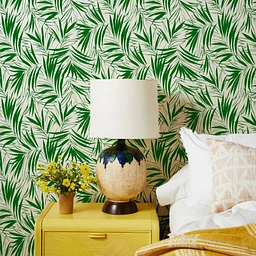
Also mentioned rarely: Spoonflower, Better Homes & Gardens, Duck Brand, Livette's Wallpaper, Bungalow Rose, American Decals, Dwellify Home, EasyLiner, HAOKHOME, InHome, Magnolia Network, The New York Times Wirecutter, Rebel Walls, Rifle Paper Co., Mosaic Scallop, Tempaper Textured Faux Grasscloth Peel and Stick Wallpaper, Tempaper Swell Sand Removable Wallpaper, Tracey Skafidas Designs, WallPops, Walls Need Love, Mainstays, Wayfair
| Mentioned in | ChatGPTChatGPT | Google AI ModeGoogle AI Mode |
|---|---|---|
| NuWallpaper | 30% | 19% |
| RoomMates Decor | 26% | 5% |
| Tempaper | 13% | 10% |
| Wallshoppe | 0% | 24% |
| Chasing Paper | 4% | 10% |
Questions and answers
ChatGPTOct 28, 2026
For a beginner, peel-and-stick wallpaper is usually the easiest wallpaper to install. It has an adhesive backing, so you don’t need to mix paste or apply separate glue, and many products can be removed later.
The best choice depends on your wall condition, the room, and whether you want a temporary or long-lasting finish.
Best types of wallpaper for beginners
1. Peel-and-stick vinyl wallpaper
(Best overall)
Easy to position, widely available, and often removable. Great for accent walls, bedrooms, and rental spaces.
Best for: first-time DIYers and smooth walls.
2. Paste-the-wall non-woven wallpaper
Often easier to handle than traditional paper because you apply paste to the wall rather than soaking each strip. A good option for a more permanent installation.
Best for: a polished finish and long-term use.
3. Textured or linen-look peel-and-stick wallpaper
A forgiving visual style that can disguise minor visual imperfections better than a bold geometric pattern, although it won't fix uneven walls.
Best for: a simple, elegant look with less pattern matching.
How to make your first wallpaper project easier
- Choose a small accent wall rather than an entire room.
- Pick a solid color, subtle texture, or small repeating pattern. Avoid large patterns that require precise matching.
- Check that your wall is smooth, clean, and completely dry. Peel-and-stick wallpaper can struggle on textured walls.
- Use a level to mark a straight vertical starting line.
- Peel the backing off gradually, smoothing the wallpaper as you go rather than exposing the entire adhesive surface at once.
- Buy a little extra for mistakes and pattern matching.
These steps align with the installation guidance from The Home Depot and Lowe's.
One important tip: If your walls have orange-peel texture or were painted recently, test a sample first and follow the wallpaper manufacturer's surface and paint-curing requirements.
Let me narrow it down for your project
What kind of wall are you planning to wallpaper?
1. Which room?
Bedroom
Living room
Bathroom or kitchen
Rental or temporary space
2. What is your wall surface?
Smooth painted drywall
Textured wall
Newly painted wall
Not sure
3. What's most important?
Easiest installation
Easy to remove
Long-lasting finish
Budget-friendly
[Find my best wallpaper]
Google AI ModeOct 28, 2026
Non-woven, "paste-the-wall" wallpaper is the easiest and most forgiving wallpaper type for a beginner to install.
Unlike peel-and-stick options that stick instantly and trap air bubbles easily, or traditional papers that require pasting and "booking" on a table, paste-the-wall wallpaper lets you roll the adhesive straight onto the wall and slide the dry paper into exact position.
Why Paste-the-Wall is Best for Beginners
- No sliding or stretching panic: Because the glue is on the wall rather than soaked into the paper, the material stays dimensionally stable and won't tear or stretch out of shape.
- Easy adjustments: You can nudge, slide, and reposition the strip on the wall until the seam and pattern line up just right.
- No messy water trays or long tables: You skip the wet, sticky setup required for pre-pasted paper or the massive work surface needed to paste traditional paper.
Comparison of Wallpaper Types for Beginners
Wallpaper Type Ease for Beginners Pros Cons Paste-the-Wall (Non-Woven) Easiest Slides easily; dry paper is lightweight; no booking time. Requires buying and rolling liquid adhesive. Peel-and-Stick (Removable) Moderate to Hard Great for renters; no wet glue. Sticks aggressively on contact; hard to un-stick or reposition without stretching; can pull up old paint. Pre-Pasted Moderate Water-activated adhesive. Dries fast; can be difficult to wet evenly; messy cleanup. Traditional (Unpasted) Hardest Wide selection of luxury papers. Requires pasting the back, folding/booking, and heavy cleanup. Pro-Tips for Your First Installation
- Pick a random or multi-directional pattern: Choose a subtle texture (like a faux grasscloth) or a busy botanical print. Avoid large geometric grids, bold stripes, or straight lines—they make tiny alignment mistakes glaringly obvious.
- Use a laser level or plumb line: Always draw a straight vertical reference line for your very first strip. If strip one is crooked, every strip after it will lean.
- Invest in the right tools: Grab a 6-inch plastic smoothing knife, a sharp snap-off utility knife with fresh blades, and a seam roller.
If you'd like, share:
- The room or wall you are planning to cover (e.g., bathroom, accent wall)
- Whether you are dealing with textured or smooth walls
I can help you pick a pattern style or map out a step-by-step game plan.
Sources cited in this answer5
- ramblingrenovators.caThe Easiest Wallpaper to Install For Beginners - Rambling Renovators
- kaitlinmadden.comThe Easiest Wallpaper to Install - And I've Tried Them All - Kaitlin Madden
- oliveandjunehome.comThe Easiest Wallpaper for Beginners - Tutorial — Olive & June Home: Bold, Functional Interior Design
- youtube.comHOW TO INSTALL WALLPAPER LIKE A PRO
- nytimes.comThe 3 Best Removable Wallpapers of 2026 | Reviews by Wirecutter
ChatGPTOct 17, 2026
If you’re putting up wallpaper for the first time, I’d recommend peel-and-stick wallpaper or a simple, forgiving pattern. These are generally easier to handle than traditional wallpaper because you can avoid messy paste and make smaller adjustments as you go.
The best choice depends on whether you’re decorating a bedroom, bathroom, living room, or a small accent wall—and whether you’re working with smooth or textured walls.
4 beginner-friendly wallpaper options
1. Peel-and-stick botanical wallpaper
(Best overall for beginners)
Soft leaves, eucalyptus, or delicate florals add interest without feeling overwhelming. No separate paste is needed, and many products can be repositioned during installation.
Best for: bedrooms, home offices, accent walls.
Browse botanical peel-and-stick options
2. Linen-look or subtle textured wallpaper
A neutral, understated finish gives a room depth without requiring you to line up a complicated pattern. It's a great choice if you're nervous about visible seams.
Best for: living rooms, bedrooms, minimalist spaces.
Browse neutral textured wallpaper
3. Faux beadboard or simple geometric wallpaper
Repeating lines or basic shapes are relatively straightforward to plan. A white beadboard look is especially nice for a cottage-style or farmhouse interior.
Best for: entryways, kitchens, laundry rooms.
Browse faux beadboard wallpaper
4. Pre-pasted wallpaper
A good alternative if you want a more traditional finish. The adhesive is already on the paper; you activate it with water according to the manufacturer's directions. It's messier than peel-and-stick but can be a good value for a longer-term project.
Best for: larger walls and more permanent decorating.
My tips for your first installation
- Start with one accent wall, rather than an entire room.
- Choose a pattern with a small or no pattern repeat, so matching adjoining strips is easier.
- Clean the wall and make sure it is smooth, dry, and fully cured after painting.
- Order a sample and test it on your actual wall first. Removable wallpaper can still lift paint, and textured walls may prevent it from adhering properly.
Let's narrow it down to the right wallpaper for you
1. Which room are you decorating?
Bedroom
Living room
Bathroom
Kitchen
Entryway or other small space
2. What style do you like?
Soft botanical / nature-inspired
Neutral and textured
Modern geometric
Bold floral or mural
Classic or traditional
3. What is your wall surface?
Smooth painted wall
Textured wall
Not sure
4. What's your approximate budget?
Under $50
Under $100
$100–$250
$250+
What matters most?
Easy to install and remove
Long-lasting finish
Lowest cost
[Find my best options]
Sources cited in this answer8
- walmart.comBrowse botanical peel-and-stick options
- walmart.comBrowse neutral textured wallpaper
- walmart.comBrowse faux beadboard wallpaper
- appliedcoverings.comPeel & Stick vs Pre-Pasted vs Type II Wallpaper (2026) – Applied Coverings
- angi.comTypes of Wallpaper: The Ultimate Guide | Angi
- homedepot.comBrowse pre-pasted wallpaper
- wallpaperplanner.comPeel and Stick Wallpaper: What to Know Before You Buy | Wallpaper Planner Blog
- renterfriendly.comRenter Friendly Wallpaper: Complete 2026 Guide | RenterFriendly.com
Google AI ModeOct 17, 2026
Starting your first wallpaper project can feel intimidating, but choosing the right material and pattern type makes the process significantly smoother.
Recommended Wallpaper Types for Beginners
- Paste-the-Wall Non-Woven Wallpaper: Widely considered by interior professionals to be the most forgiving option. Instead of pasting the back of the paper (which makes it soggy, stretchy, and hard to handle), you roll the adhesive directly onto the wall and apply the dry, dimensionally stable paper straight onto it. It doesn't expand or contract, and it slides easily into place.
- Repositionable Peel-and-Stick (Self-Adhesive): Great for avoiding wet glue entirely, though it requires patience because it can stick to itself if mishandled. Look for thick, high-quality vinyl or woven polyester blends (offered by brands curated on platforms like Forbes Personal Shopper or retailers like Target ) that explicitly state they are repositionable , allowing you to peel it back up to fix air bubbles or alignment errors.[2][4][5]
Recommended Pattern Styles to Look For
- Random Match / Drop-less Patterns: Choose textures or non-directional prints (like faux grasscloth, linen-looks, subtle striae, or scattered small dots/abstract marks). These require zero pattern matching , saving you hours of frustration and wasted paper at the seams.
- Straight Match with Small Repeats: If you want a geometric, stripe, or small floral pattern, pick a design with a short vertical repeat (under 12 inches). Avoid large-scale dramatic florals or complex plaids for your first go, as aligning them across multiple strips increases the margin for error.
If you'd like, let me know:
- Are you leaning toward peel-and-stick or traditional paste?
- What room or surface are you planning to wallpaper?
I can help you estimate how much roll coverage you need or share a step-by-step prep guide.


Also asked as
- Which types of wallpaper are easiest for a novice to put up?