The "best" sleep tracker depends heavily on whether you prefer wearing a ring, a wristband, or a dedicated strap, as well as how deep you want your data insights to go.
Top-rated sleep tracking options categorized by design and user experience include:
Widely considered the gold standard for discreet, comfortable night-time tracking. It monitors sleep stages, heart rate variability (HRV), skin temperature, and blood oxygen, combining them into a daily readiness score. You can view details on the ŌURA Store.
A strong, subscription-free alternative to Oura that offers comprehensive sleep apnea pattern tracking, impressive battery life, and solid vascular health trends. More details are available directly via RingConn.
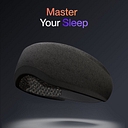
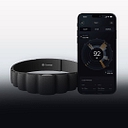
A comfortable, lightweight upper-arm band built specifically for focused overnight recovery, breathing tracking, and sleep-stage analysis without needing to wear a bulky watch to bed. Check specifications on the Garmin Store.
Excellent for mainstream, user-friendly wellness and sleep scores packaged in an affordable, lightweight design that easily integrates with mobile health apps. Check out options on the Best Buy Air Page.[1][2][3][4]
The best sleep tracker for most people in 2026 is the Oura Ring 4. It combines comfortable overnight wear, detailed sleep metrics, heart-rate and temperature trends, and useful recovery insights. It also works with iPhone and Android. Both Sleep Foundation and Wareable rank it as a top overall choice.
But the best choice depends on whether you want the most detailed sleep insights, the best value, athletic recovery data, or a tracker that you already own.
The best sleep trackers to consider
(Best overall)
Oura Ring 4
Typical price: $349–$499, depending on finish and retailer
Best for sleep duration, sleep-stage estimates, overnight heart rate, HRV, temperature trends, and recovery. The ring is discreet and comfortable for many people to wear overnight.
Downside: A paid membership is required for the full app experience.
Best budget option. Tracks sleep, heart rate, activity, and sleep stages in a wristband with a display. A good starting point if you want an all-around fitness tracker without paying smart-ring prices.
Downside: Some advanced insights require Fitbit Premium.
These recommendations reflect 2026 reviews; prices vary by retailer, model, and subscription.
Which one should you buy?
If your priority is…
My pick
Best overall sleep insights
Oura Ring 4
Spending less
Fitbit Charge 6
Sleep tracking plus smartwatch features
Apple Watch
Athletic recovery and training
WHOOP 5.0
Tracking sleep without wearing a device
One important caveat: consumer trackers estimate sleep stages rather than measuring them directly like a clinical sleep study. Use their scores to follow long-term patterns, not as definitive measurements of deep or REM sleep.
Let me narrow it down for you
What phone do you use, and what's your main goal? I can recommend the best option for your situation rather than simply the most expensive tracker.
The best sleep tracker depends on whether you want the most detailed sleep insights, a comfortable device you can wear every night, or a wearable that also tracks workouts and overall health.
One important caveat: no consumer sleep tracker measures sleep as accurately as a clinical sleep study in every respect. Most are better at estimating total sleep time and sleep patterns than precisely identifying sleep stages such as REM and deep sleep.
For most people, I'd focus on these categories: smart rings, fitness watches, dedicated sleep bands, and under-mattress sensors.
The top sleep trackers worth considering
Based on recent 2026 testing and buying guides. Prices vary by model, retailer, and subscription.
1. Oura Ring 5
(Best overall)
Oura's newest ring is the leading pick in Tom's Guide's October 2026 testing. It emphasizes sleep duration and stages, overnight biometrics, readiness, and personalized sleep coaching. It's a good fit if sleep is your main priority and you don't want a watch on your wrist.
Downsides: Premium pricing and a paid membership for the full experience.
Also consider the Oura Ring 4 if you find it discounted.
2. Samsung Galaxy Ring
(Best subscription-free ring)
A strong alternative if you want sleep and recovery tracking without an ongoing membership fee. It tracks sleep patterns and overnight health signals, and works best if you're already in Samsung's ecosystem.
Downsides: Less compelling for iPhone owners, and the app experience is more ecosystem-dependent.
3. Apple Watch Series 11
(Best for iPhone users)
A sensible choice if you want sleep tracking alongside heart-health features, notifications, exercise tracking, and everyday smartwatch functions. You may not need a separate sleep device if you already own a recent Apple Watch.
Downsides: You have to charge it more often than most rings, and some people find watches uncomfortable in bed.
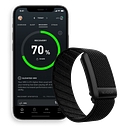
4. WHOOP 5.0
(Best for recovery and training)
Best suited to people who want to connect sleep with recovery, heart-rate variability (HRV), training load, and daily readiness. Its coaching approach is especially useful for athletes and people with demanding training schedules.
Downsides: Subscription-dependent, and less attractive if you just want a straightforward sleep report.
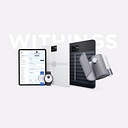
5. Withings Sleep Analyzer
(Best without wearing anything)
A thin sensor sits under your mattress and monitors sleep patterns, heart rate, and breathing-related signals. It's ideal if rings and watches bother you at night.
Downsides: It doesn't double as a daytime fitness tracker, and readings are best used to follow trends over time.
6. Fitbit Charge 6
(Best budget-friendly wearable)
A good lower-cost entry point for sleep duration, sleep stages, heart rate, and daily activity. It's worth considering if you want more than sleep tracking without spending premium-ring money.
Downsides: The sleep insights and app experience may feel less polished than Oura's, and some Fitbit features require a subscription.
Quick comparison
Device
Best for
Main trade-off
Oura Ring 5
Overall sleep insights
Cost + membership
Samsung Galaxy Ring
No-fee ring tracking
Samsung ecosystem
Apple Watch Series 11
iPhone + health features
Frequent charging
These categories reflect recent independent buying guides, rather than a claim that one device is scientifically best at every sleep metric.
Which would I choose?
For sleep quality and personalized insights: Oura Ring 5.
For no monthly subscription: Samsung Galaxy Ring.
For someone who already owns an iPhone and Apple Watch: Start with the watch you have.
For serious fitness and recovery tracking: WHOOP 5.0.
For someone who hates wearing devices to bed: Withings Sleep Analyzer.
One caution: if you're trying to investigate possible sleep apnea or another sleep disorder, don't rely on a consumer sleep score or sleep-stage estimate to diagnose it. Use a qualified clinician and appropriate testing.
Let me narrow it down for you
The best choice changes quite a bit depending on your priorities. Which matters most to you?
1. What's your main goal?
Improve sleep quality and understand sleep patterns
Monitor snoring, breathing, or possible sleep apnea
The best sleep tracking devices currently available span smart rings, smartwatches, and non-wearable options , depending on how comfortable you want to be at night and what metrics you are looking for.
If you want a top-performing sleep tracker in 2026, my first recommendation is the Oura Ring 4. It’s consistently rated among the best for comfortable overnight wear, detailed sleep insights, and tracking recovery over time. But the best choice depends on whether you prioritize accuracy, price, athletic recovery, or avoiding a subscription.
My top sleep tracker picks
(Best overall)
Oura Ring 4
$349–$399
Tracks sleep duration, estimated sleep stages, overnight heart rate, HRV, temperature trends, and recovery. Its discreet ring design is comfortable for many people to wear overnight.
Trade-off: Requires a paid membership for most detailed insights.
Best for: sleep quality and long-term health trends.
Specializes in sleep need, recovery, strain, and training readiness. Particularly useful if you exercise frequently and want to understand how sleep affects performance.
Trade-off: Ongoing membership cost; less compelling if sleep is your only goal.
The rankings are based on independent reviews, not a claim that any device measures every sleep stage perfectly. Consumer trackers are generally more useful for identifying trends in sleep duration and consistency than for diagnosing sleep problems.
When looking for a top-performing sleep tracker, the right choice depends on whether you prefer a ring, a wristband, or a non-wearable option . Here are the leading devices on the market categorized by style and function:
Fitbit Charge 6: The best pragmatic pick if you want robust health and sleep metrics paired with general fitness tracking. It features a bright display, long battery life, and a comfortable form factor for overnight wear. Check it out via Fitbit.[]()
Withings Sleep Analyzer
WHOOP 5.0
Athletic recovery
Subscription
Withings Sleep Analyzer
No wearable at night
Sleep-only focus
Fitbit Charge 6
Lower-cost wearable
Less advanced coaching
Samsung Galaxy Ring : The top choice if you want a powerful smart ring without a recurring subscription fee . It seamlessly tracks sleep stages, heart rate, skin temperature, and blood oxygen levels via Samsung Health, making it a fantastic alternative for Android users. View it on the Samsung Official Site.[](https://www.techradar.com/best/best-sleep-tracker)
Apple Watch (Series 10 / Series 11) : The best wrist-based option if you are embedded in the iOS ecosystem. It offers robust sleep stage analysis, breathing disturbances tracking, and advanced clinical features like sleep apnea detection. Explore options on the Apple Store.[](https://www.tomsguide.com/wellness/sleep-tech/best-sleep-tracker)
WHOOP (4.0 / latest strap): Excellent for athletes and data-driven biohackers. It has no screen and focuses heavily on recovery, daily strain, and deep sleep architecture. Learn more on the WHOOP Website.[](https://www.nytimes.com/wirecutter/reviews/best-sleep-trackers/)
Withings Sleep Analyzer: The premier non-wearable option. It is a mat that slips under your mattress to track sleep cycles, heart rate, and snoring/breathing disturbances with zero nightly friction. View details on the Withings Store.[](https://www.tomsguide.com/wellness/sleep-tech/best-sleep-tracker)
To help narrow down the ideal choice, let me know:
Do you prefer a wearable (ring/band) or a non-wearable (under-mattress pad)?
Are you open to a subscription model for advanced app insights?