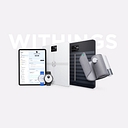
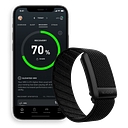
Withings Sleep Analyzer and Oura Ring are neck and neck across health and sleep monitoring queries, with Withings favored for under-mattress tracking and Oura chosen for unobtrusive ring-based metrics. Garmin is the usual answer when buyers specifically seek dedicated fitness tracking.
Since July, Home Assistantrising has become one of the most named choices for under-mattress sleep automation, while Amazfitfalling dropped out of regular mentions across watches and rings.
Latest insights
Week of Sep 21–27 · Since Jul 5
Oura Ring Gap between platforms: Oura Ring's Mentioned in is higher on ChatGPT Search than on Google AI Mode in Health Wearables and Smart Devices: 39.2% vs 30.2%
Withings Gaining: Withings moved up 1 place to rank #3 of 60 in Health Wearables and Smart Devices
Eight Sleep Gap between platforms: ChatGPT Search now mentions Eight Sleep 9.5 points more often than Google AI Mode in Health Wearables and Smart Devices, a narrowed gap
Eight Sleep Slipping: Eight Sleep's mention rate in Health Wearables and Smart Devices fell 5.5 points to 27.1%
Eight Sleep Slipping: Eight Sleep now ranks #4 in Health Wearables and Smart Devices, down from #2
13% of citations point at the ranked brands’ own sites. tomsguide.com, sleepfoundation.org, youtube.com are the most-cited sites outside the ranked brands’ own domains.
If you want a good sleep tracker without wearing a wristband, I'd look first at an under-mattress sensor or a smart ring. Both can track your sleep without a watch on your wrist, but they suit different needs.
Best for tracking sleep without wearing anything: a sensor that sits under your mattress.
Best for detailed sleep and recovery data: a smart ring worn on your finger.
Best for a simple, hands-off setup: a bedside sleep tracker.
Here are the options I'd consider first.
My top 3 picks
1. Withings Sleep Analyzer
(Best overall if you don't want to wear anything)
Under the mattress · No device on your body
Tracks sleep duration and stages, heart rate, breathing patterns, and snoring. It is a great low-maintenance choice because you put it under your mattress and leave it there.
A bedside clock that uses non-contact sensing to track sleep patterns. It also offers soundscapes, lighting, and wake-up routines. A recent review listed it at about $250.
Best for: someone who wants sleep tracking plus help building a relaxing bedtime routine.
Tracks sleep stages, resting heart rate, heart-rate variability, and temperature trends. It offers more personal recovery data than a bedside sensor, but requires wearing a ring and paying a membership fee for full insights.
Best for: detailed sleep and recovery tracking if you don't mind wearing something on your finger.
I'd start with the Withings Sleep Analyzer if you want absolutely nothing on your body at night. Choose the Oura if you want more detailed personal health and recovery trends.
One important caveat: consumer trackers estimate sleep stages; they aren't a substitute for a clinical sleep study if you suspect sleep apnea or another sleep disorder.
One question to narrow it down: Do you want something that goes under your mattress, something on your nightstand, or are you comfortable wearing a ring on your finger?
If you want to monitor your sleep without wearing anything on your wrist or finger, you have a few great non-wearable, contactless options that slide under your mattress or sit on your nightstand.
Withings Sleep Tracking Mat | Dental and Medical Supplies& more
This is widely considered the gold standard for under-mattress tracking. It is a thin pad that slips underneath your mattress (at chest level) and plugs into a USB outlet. Because it’s a "set-it-and-forget-it" device, it automatically tracks your sleep cycles (light, deep, REM), duration, heart rate, snoring, and breathing disturbances without you ever needing to charge a battery or press a button. You can view the data on the Withings Store app.
Google Nest Hub (2nd Gen) | Arbor& more | 4.4(9.5K)
If you don't even want a pad under your mattress, the second-generation Nest Hub sits on your bedside table and uses low-power radar technology (Motion Sense) combined with microphones to track your movements, breathing, snoring, and coughing . It is completely contactless, requires no wearables, and gives you a daily sleep summary right on the screen or via the Google Home app. (Note: It tracks the sleep of the person closest to the device, so it works best if you sleep alone or on a specific side of the bed).
OZI Sleep Tracker | OZI Sleep
A newer contactless option that slips right under your bed sheet (on top of the mattress) rather than underneath the whole mattress. It tracks your heart rate, respiration trends, and movement to estimate sleep quality and provides bed-exit alerts if necessary, all without cameras, microphones, or monthly subscription fees.[](https://www.forbes.com/sites/forbes-personal-shopper/article/best-non-wearable-sleep-trackers/)[2][3]
Would you prefer a bedside radar device like the Google Nest Hub, or an under-mattress pad like the Withings Mat? I can give you more details on accuracy or smart home integration for either option.
Absolutely. If you want to monitor your sleep without wearing a watch, ring, or sensor on your body, I’d recommend an under-mattress sleep tracker. It sits beneath your mattress, works automatically overnight, and sends your sleep data to an app.
There are also bedside monitors that track your breathing and movement without touching you at all. Here are the options I’d consider first.
My top recommendations
1. Withings Sleep Analyzer
(Best overall)
Under-mattress sensor
My first choice for most people. It tracks sleep duration, estimated sleep stages, heart rate, breathing patterns, and snoring, without requiring anything on your body. It plugs in and works with a companion app.
Best for: Understanding your sleep habits and spotting trends over time.
No wearable to charge
Core sleep tracking generally has no subscription fee
This is worth considering if you don't want to put anything under your mattress. It uses contactless sensing to monitor sleep-related movement and breathing, and combines that with a bedside clock and sleep routines.
Best for: People who want sleep tracking, soothing sounds, and a wake-up routine in one device.
Trade-off: Full access to Hatch's sleep content requires a subscription.
Another option for monitoring sleep, breathing, heart rate trends, and sleep patterns without wearing a device. Some configurations support tracking two sleepers independently.
Best for: Couples who want to track each person's sleep separately.
Trade-off: Check the specific model and mattress compatibility before buying.
Prices are approximately $200 for Withings and $250 for Hatch Sleep Clock, though they can vary.
One important note: these devices are best for tracking general sleep patterns, not diagnosing sleep disorders. If you're concerned about sleep apnea, a consumer monitor is not a substitute for a clinical sleep study.
One question so I can narrow this down: What are you most interested in monitoring?
For tracking sleep without wearing anything on your body, there are two distinct, highly-rated approaches: an under-mattress pneumatic sensor pad or a bedside contactless radar device.[1][2]
Withings Sleep Tracking Mat | Kohl's& more | 4.6(30)
How it works: A thin, discreet pad that slides underneath your mattress (at chest level). It uses a pneumatic sensor to track your heart rate, continuous breathing cycles, sleep stages (deep, light, REM), and snoring or breathing disturbances via ballistography.
Why it's great: There is nothing to charge or wear, setup is a one-time thing, and it syncs automatically via Wi-Fi to the Withings Official Site app where you can view detailed sleep scores and export logs for medical review.
Google Nest Hub (2nd Gen) | SPEX
How it works: A bedside smart display that uses low-power Motion Sense radar technology (Soli) to analyze movement and breathing. It also features a built-in microphone to detect sleep disturbances like snoring and coughing.
Why it's great: Completely contactless with no pads under the mattress. It sits on your nightstand and offers a screen-based breakdown of your night, though it requires placement facing your side of the bed and relies on a smart ecosystem. You can check details on the Google Store.[1][2][3][4]
If you'd like to narrow this down, let me know:
Do you prefer a bedside device or something hidden under the mattress?
Are you looking to track specific issues like snoring or sleep apnea detection , or just general sleep cycles?
Yes — there are several good sleep trackers that work without wearing a watch, wristband, or ring. My first recommendation would be the Withings Sleep Analyzer. It sits underneath your mattress and tracks your sleep automatically while you sleep. If you'd rather have nothing underneath your mattress, there are also bedside devices that monitor you without touching your body.
My top recommendations
1. Withings Sleep Analyzer
(Best overall)
Typical price: roughly $130–$200, depending on seller
I'd choose the Withings Sleep Analyzer for most people because it is unobtrusive, gives you a useful range of sleep metrics, and doesn't require you to remember to wear or charge anything.
One important caveat: consumer sleep trackers estimate sleep stages rather than measuring them as precisely as a clinical sleep study. If you're trying to investigate possible sleep apnea or another sleep disorder, use the tracker as a source of trends, not as a diagnosis.
One quick question: Would you prefer a sensor under the mattress, or a device that sits on your nightstand and doesn't touch the bed at all? That would help me narrow this down to the best fit.
The top recommendation for a non-wearable, contactless sleep tracker is the Withings Sleep Tracking Mat.[1][2]
How it works: It is a thin, discreet sensor pad that slips underneath your mattress (between the mattress and the box spring or bed frame). You plug it in once, and it works completely passively without needing to be charged or worn.[1][2]
Key features:
Sleep cycle analysis: Tracks deep, light, and REM sleep stages, as well as total sleep duration and interruptions.
Vitals & health metrics: Monitors continuous overnight heart rate, snoring, and breathing disturbances.
Smart integration: Automatically syncs via Wi-Fi to the companion app every morning and features smart home automation triggers (like turning off lights when you get into bed).
Medical sharing: Easily generates exportable sleep logs that you can share directly with a physician.[1][2][3]
You can look up current pricing and availability or purchase options via retailers like Kohl's or DICK'S Sporting Goods.
If you'd like, let me know:
What specific metrics you care about most (e.g., sleep apnea detection vs. basic rest tracking)
The thickness or type of your mattress
I can check compatibility or suggest alternative contactless options.
The best sleep tracker depends on whether you want the most accurate sleep data, the best overall health insights, or something comfortable to wear overnight.
My recommendation is to start with a wearable that tracks sleep stages, overnight heart rate, and heart rate variability (HRV) rather than choosing based on a sleep score alone. No consumer tracker measures sleep stages as accurately as a clinical sleep study, but some are very useful for monitoring trends over time.
Best sleep trackers in 2026
(Best overall)
1. Oura Ring 4
Around $349–$499, depending on finish
Best for sleep quality, overnight biometrics, recovery, and long-term trends. Comfortable for most people to wear overnight, with no watch screen to disturb you.
Downside: Requires a paid membership for most detailed insights.
2. Apple Watch Series 11 [GPS 46mm] Smarwatch with Jet Black Al…
Around $379–$400 for common GPS models
Best if you use an iPhone and want sleep tracking alongside other health features. Provides sleep duration, estimated stages, and sleep scores without a separate sleep-tracking subscription.
Downside: Shorter battery life means more frequent charging.
One important caveat: consumer trackers estimate sleep stages rather than measuring brain activity directly. Use deep sleep, REM, and sleep scores as trends—not exact measurements or diagnoses.
The best sleep tracker depends on whether you want the most detailed sleep insights, a comfortable device you can wear every night, or a wearable that also tracks workouts and overall health.
One important caveat: no consumer sleep tracker measures sleep as accurately as a clinical sleep study in every respect. Most are better at estimating total sleep time and sleep patterns than precisely identifying sleep stages such as REM and deep sleep.
For most people, I'd focus on these categories: smart rings, fitness watches, dedicated sleep bands, and under-mattress sensors.
The top sleep trackers worth considering
Based on recent 2026 testing and buying guides. Prices vary by model, retailer, and subscription.
1. Oura Ring 5
(Best overall)
Oura's newest ring is the leading pick in Tom's Guide's October 2026 testing. It emphasizes sleep duration and stages, overnight biometrics, readiness, and personalized sleep coaching. It's a good fit if sleep is your main priority and you don't want a watch on your wrist.
If you want a top-performing sleep tracker in 2026, my first recommendation is the Oura Ring 4. It’s consistently rated among the best for comfortable overnight wear, detailed sleep insights, and tracking recovery over time. But the best choice depends on whether you prioritize accuracy, price, athletic recovery, or avoiding a subscription.
The gold standard (and essentially the main remaining major consumer device) for an under-the-mattress sleep tracker is the Withings Sleep Tracking Mat.
Withings Sleep Tracking Mat: Slips discreetly underneath your mattress (compatible with thicknesses between 4 to 15 inches) and rests over your box spring or bed platform. It requires no wearing or charging.[1][2]
What it tracks: Continuous heart rate, sleep cycles (deep, light, REM), snoring detection, and breathing disturbances.
App & Syncing: Automatically syncs via Wi-Fi to your phone every morning, giving you a daily Sleep Score and exportable sleep logs you can share with a doctor. It also features smart home integrations via IFTTT (like turning off your lights when you get into bed).[1][2]
Where to buy: You can check availability and pricing on options like Kohl's or Crutchfield.
If you want, I can help you compare this with contactless bedside monitors (like the Google Nest or smart displays with radar sleep tracking) or tell you what mattress types work best with the Withings mat.
The type of device you’re looking for is called an under-mattress sleep tracker. It’s a thin sensor pad that slides between your mattress and bed base, tracking your sleep while you rest—without wearing a watch, ring, or wristband.
My first recommendation is the Withings Sleep Analyzer. It tracks sleep duration, estimated sleep stages, heart rate, breathing patterns, and snoring, and it doesn't require a monthly subscription for its core tracking features.
Best under-mattress sleep trackers to consider
1.
Can you recommend a sleep monitor that goes underneath the mattress?
The top recommendation for a non-wearable, under-mattress sleep monitor is the Withings Sleep Tracking Mat.[1][2]
Key Features of the Withings Sleep Tracking Mat
Design: A thin, unobtrusive mat that slips directly underneath your mattress (between the mattress and the bed frame or box spring). It works with most mattress types (ranging from 4 to 15 inches thick).
No-Wearable Convenience: Requires nothing to wear on your wrist or body, and plugs in for continuous use without needing daily or weekly recharging.
Comprehensive Tracking: Measures sleep cycles (deep, light, and REM), sleep duration, time it takes to fall asleep, and interruptions.
Advanced Health Metrics: Tracks continuous heart rate overnight, detects snoring, and monitors breathing disturbances.
Connectivity & App: Automatically syncs data via Wi-Fi to your phone, giving you a daily Sleep Score through the Withings app. You can also easily export and share your sleep diary with a physician.
Smart Home Integration: Features IFTTT support, allowing you to trigger automations like dimming your bedroom lights when you get into bed or adjusting your thermostat when you wake up.
If you'd like, I can help you find across different retailers or look into alternative options if you have a (like an adjustable or thick memory foam bed).
The top options available for under-mattress or bed-integrated sleep tracking include:
This slim, pneumatic sensor pad slides directly underneath your mattress at chest level. It tracks sleep cycles (deep, light, REM), duration, continuous heart rate, snoring, and breathing disturbances (including signs of sleep apnea) without requiring a mandatory monthly subscription for core data. It connects via Wi-Fi and automatically syncs to the Withings App.
360/Climate360 Smart Beds : If you are open to a smart mattress rather than a standalone pad, beds feature built-in pressure-sensitive sensors right beneath the surface. They passively track your heart rate, breathing rate, and movement using ballistocardiography, generating a daily SleepIQ score via the without an extra subscription for basic tracking.
When it comes to under-mattress contactless sleep tracking mats, the undisputed market leader and best overall choice is the Withings Sleep Tracking Mat (often sold as the Withings Sleep Analyzer in various regions). With other legacy options like the Beautyrest Sleeptracker being phased out, Withings remains the premier choice for people who want accurate sleep tracking without wearing a ring, band, or smartwatch to bed.
The Best Pick: Withings Sleep Tracking Mat
Type: Pneumatic and sound-based under-mattress sensor pad
Price: Typically around $130 – $200
Subscription: None (free and unlimited data storage via the Withings app)[1][2]
Key Features & Why It Wins
Completely Contactless: You slide the thin pad underneath your mattress (torso area) between the mattress and the box spring or bed platform. You won't feel it at all while sleeping.
Comprehensive Metrics: It tracks sleep cycles (deep, light, and REM), sleep duration, continuous heart rate, and time to fall asleep/wake up.
Best For: Unobtrusive, daily health and sleep metrics.
Features: Utilizes an updated 18-path sensor system that tracks sleep stages, heart rate variability (HRV), and body temperature variations directly from the clean blood flow of the finger.
Battery Life: Lasts roughly 5 to 8 days on a single charge.
Considerations: Requires a monthly subscription fee ($5.99/mo) to unlock complete data analytics.
Best For: The latest in premium smart ring tracking.
Features: A slim, lightweight titanium build tracking over 50 metrics, including sleep apnea patterns, cardiovascular age, and circadian rhythms.
Battery Life: Exceptional longevity, offering 6 to 9 days of use per charge.
Best For: Athletes tracking physical strain and sleep recovery.
Features: A screenless, soft fabric band worn on the wrist or bicep that prevents accidental light or distractions before bed. Its AI coach calculates sleep debt, respiratory rate, and exactly how much rest you need based on daytime strain.
Battery Life: Up to 14 days of battery life with seamless in-situ charging.
Considerations: Sold via an all-inclusive annual membership format rather than a flat device purchase.
Best For: iPhone users seeking multi-purpose integration and medical alerts.
Features: Recognized as the most accurate wrist-based sleep staging wearable in independent sleep lab validations. It includes an FDA-cleared sleep apnea tracking algorithm that monitors breathing disturbances.
Battery Life: Shortest duration, requiring a daily charge (roughly 24 hours of use).
Best For: Anyone who dislikes wearing a device to bed.
Downsides: Premium pricing and a paid membership for the full experience.
Also consider the Oura Ring 4 if you find it discounted.
2. Samsung Galaxy Ring
(Best subscription-free ring)
A strong alternative if you want sleep and recovery tracking without an ongoing membership fee. It tracks sleep patterns and overnight health signals, and works best if you're already in Samsung's ecosystem.
Downsides: Less compelling for iPhone owners, and the app experience is more ecosystem-dependent.
3. Apple Watch Series 11
(Best for iPhone users)
A sensible choice if you want sleep tracking alongside heart-health features, notifications, exercise tracking, and everyday smartwatch functions. You may not need a separate sleep device if you already own a recent Apple Watch.
Downsides: You have to charge it more often than most rings, and some people find watches uncomfortable in bed.
4. WHOOP 5.0
(Best for recovery and training)
Best suited to people who want to connect sleep with recovery, heart-rate variability (HRV), training load, and daily readiness. Its coaching approach is especially useful for athletes and people with demanding training schedules.
Downsides: Subscription-dependent, and less attractive if you just want a straightforward sleep report.
5. Withings Sleep Analyzer
(Best without wearing anything)
A thin sensor sits under your mattress and monitors sleep patterns, heart rate, and breathing-related signals. It's ideal if rings and watches bother you at night.
Downsides: It doesn't double as a daytime fitness tracker, and readings are best used to follow trends over time.
6. Fitbit Charge 6
(Best budget-friendly wearable)
A good lower-cost entry point for sleep duration, sleep stages, heart rate, and daily activity. It's worth considering if you want more than sleep tracking without spending premium-ring money.
Downsides: The sleep insights and app experience may feel less polished than Oura's, and some Fitbit features require a subscription.
Quick comparison
Device
Best for
Main trade-off
Oura Ring 5
Overall sleep insights
Cost + membership
Samsung Galaxy Ring
No-fee ring tracking
Samsung ecosystem
Apple Watch Series 11
iPhone + health features
Frequent charging
WHOOP 5.0
Athletic recovery
Subscription
Withings Sleep Analyzer
No wearable at night
Sleep-only focus
Fitbit Charge 6
Lower-cost wearable
Less advanced coaching
These categories reflect recent independent buying guides, rather than a claim that one device is scientifically best at every sleep metric.
Which would I choose?
For sleep quality and personalized insights: Oura Ring 5.
For no monthly subscription: Samsung Galaxy Ring.
For someone who already owns an iPhone and Apple Watch: Start with the watch you have.
For serious fitness and recovery tracking: WHOOP 5.0.
For someone who hates wearing devices to bed: Withings Sleep Analyzer.
One caution: if you're trying to investigate possible sleep apnea or another sleep disorder, don't rely on a consumer sleep score or sleep-stage estimate to diagnose it. Use a qualified clinician and appropriate testing.
Let me narrow it down for you
The best choice changes quite a bit depending on your priorities. Which matters most to you?
1. What's your main goal?
Improve sleep quality and understand sleep patterns
Monitor snoring, breathing, or possible sleep apnea
The best sleep tracking devices currently available span smart rings, smartwatches, and non-wearable options , depending on how comfortable you want to be at night and what metrics you are looking for.
Samsung Galaxy Ring : The top choice if you want a powerful smart ring without a recurring subscription fee . It seamlessly tracks sleep stages, heart rate, skin temperature, and blood oxygen levels via Samsung Health, making it a fantastic alternative for Android users. View it on the Samsung Official Site.[](https://www.techradar.com/best/best-sleep-tracker)
Apple Watch (Series 10 / Series 11) : The best wrist-based option if you are embedded in the iOS ecosystem. It offers robust sleep stage analysis, breathing disturbances tracking, and advanced clinical features like sleep apnea detection. Explore options on the Apple Store.[](https://www.tomsguide.com/wellness/sleep-tech/best-sleep-tracker)
Tracks sleep duration, estimated sleep stages, overnight heart rate, HRV, temperature trends, and recovery. Its discreet ring design is comfortable for many people to wear overnight.
Trade-off: Requires a paid membership for most detailed insights.
Best for: sleep quality and long-term health trends.
Specializes in sleep need, recovery, strain, and training readiness. Particularly useful if you exercise frequently and want to understand how sleep affects performance.
Trade-off: Ongoing membership cost; less compelling if sleep is your only goal.
The rankings are based on independent reviews, not a claim that any device measures every sleep stage perfectly. Consumer trackers are generally more useful for identifying trends in sleep duration and consistency than for diagnosing sleep problems.
When looking for a top-performing sleep tracker, the right choice depends on whether you prefer a ring, a wristband, or a non-wearable option . Here are the leading devices on the market categorized by style and function:
Fitbit Charge 6: The best pragmatic pick if you want robust health and sleep metrics paired with general fitness tracking. It features a bright display, long battery life, and a comfortable form factor for overnight wear. Check it out via Fitbit.[](https://www.nytimes.com/wirecutter/reviews/best-sleep-trackers/)
WHOOP (4.0 / latest strap): Excellent for athletes and data-driven biohackers. It has no screen and focuses heavily on recovery, daily strain, and deep sleep architecture. Learn more on the WHOOP Website.[](https://www.nytimes.com/wirecutter/reviews/best-sleep-trackers/)
Withings Sleep Analyzer: The premier non-wearable option. It is a mat that slips under your mattress to track sleep cycles, heart rate, and snoring/breathing disturbances with zero nightly friction. View details on the Withings Store.[](https://www.tomsguide.com/wellness/sleep-tech/best-sleep-tracker)
To help narrow down the ideal choice, let me know:
Do you prefer a wearable (ring/band) or a non-wearable (under-mattress pad)?
Are you open to a subscription model for advanced app insights?
I'd start with the Withings if you want straightforward sleep tracking without recurring fees. If you're mainly trying to investigate snoring or possible sleep apnea, discuss the results with a healthcare professional; a consumer tracker isn't a substitute for a sleep study.
My top recommendation is the Withings Sleep Analyzer. It sits underneath your mattress, so you don't have to wear a watch, ring, or wristband to bed. It tracks sleep patterns automatically and is a good choice if you want useful information without a complicated setup.
Here are the options I'd consider, depending on what you want to monitor.
Best under-mattress sleep monitors
1. Withings Sleep Analyzer
(Best overall)
Typical price: about $100–$200, depending on availability
Tracks sleep duration, stages, heart rate, interruptions and snoring.
No wearable and generally no required subscription.
Best for understanding your sleep habits over time.
Designed to track sleep patterns and heart-rate trends.
Some versions offer a smart alarm.
Verify availability and compatibility before purchasing, since models and availability can vary.
What I'd check before buying
Mattress compatibility: Especially if you have a thick memory-foam mattress, an adjustable bed, or an air mattress.
Subscription fees: Look at the long-term cost, not just the purchase price.
Medical monitoring: If you're concerned about sleep apnea, don't rely on a general sleep tracker to diagnose it. In the US, the Withings consumer model's features may differ from its separately marketed medical product, Sleep Rx.
Let me narrow it down for you
What's the main thing you'd like the monitor to tell you?
If you want a sleep tracker that goes under your mattress rather than on your wrist or finger, there are a few good options. They can track things like sleep duration, estimated sleep stages, heart rate, breathing, and nighttime movement without you having to wear anything.
My first choice for most people would be the Withings Sleep Analyzer. If you want more detailed recovery data, the Emfit QS is worth investigating, too.
Best under-mattress sleep trackers
1. Withings Sleep Analyzer
(Best overall)
Typical price: around $100–$200
Tracks sleep stages, heart rate, breathing, snoring, and sleep duration.
Gives you a nightly sleep score and long-term trends.
No mandatory subscription for core tracking.
Sits beneath your mattress and plugs into power.
Best for: Most people who want an easy-to-use, set-it-and-forget-it tracker.
Mattress compatibility: The Withings has been tested with mattresses 4–15 inches thick. It isn't recommended for waterbeds or airbeds.
Accuracy: Sleep stages are estimates, not the equivalent of a clinical sleep study. Use trends over weeks rather than treating every night's score as exact.
Sleep apnea: If apnea screening is important to you, verify the feature's current availability and regulatory status in the US. A consumer tracker doesn't replace a medical evaluation.
Ongoing costs: Confirm subscription requirements, app support, and return policies before ordering. Prices above are approximate, not guaranteed live offers.
My recommendation: Start by comparing the Withings Sleep Analyzer with the Emfit QS. The Withings is the more straightforward choice for general sleep monitoring; Emfit is more appealing if you specifically want HRV and recovery metrics.
One question that would help me narrow it down: What matters most to you?
Snore & Breathing Tracking: It uses an integrated acoustic microphone to track snoring patterns and an advanced pneumatic sensor to measure respiratory rate and detect potential breathing disturbances.
Smart Home Integration (IFTTT): It features IFTTT support, meaning your bed can act as a trigger—for example, automatically turning off your smart lights when you get into bed or turning up your thermostat when you wake up.[1][2]
Automatic Wi-Fi Sync: Once set up via Bluetooth, it syncs data automatically over Wi-Fi every morning without needing your phone nearby.
If you're open to alternatives or want to narrow down your choice, let me know:
Are you strictly looking for an under-mattress mat to avoid wearables, or would you consider a smart ring or fitness band?
Do you have any specific health metrics you want to monitor, like sleep apnea/snoring or heart rate variability (HRV)?
I can help you compare options or find the best fit for your routine.
The best sleep-tracking mat for most people is the Withings Sleep Tracking Mat. It sits under your mattress, so you can track your sleep without wearing a watch or ring. It monitors sleep patterns, heart rate, breathing-related metrics, and snoring, with no mandatory subscription for its core tracking features.
My top sleep-tracking mat picks
(Best overall)
1. Withings Sleep Tracking Mat
Typical price: roughly $130–$200, depending on seller
Tracks sleep duration, estimated sleep stages, heart rate and snoring.
Accuracy: Sleep trackers estimate sleep stages; they're generally more useful for spotting trends over time than determining exactly how much REM or deep sleep you got.
Sleep apnea: If that's your concern, check the exact US model and its regulatory status. Consumer sleep tracking is not a substitute for a clinical sleep study.
Mattress compatibility: Confirm the sensor works with your mattress type and bed setup.
Total cost: Compare the actual checkout price and any subscription fees. Some online listings are substantially more expensive than typical prices.
My recommendation: Start with the Withings mat if your priority is understanding your sleep without wearing anything overnight.
One question that could change my recommendation: What do you mainly want to track?