PrettyLitter holds a wide lead for silica crystals that change color to track urinary pH and detect blood. Shoppers seeking hardware to monitor weight and visits instead of changing the litter itself see sensor systems like Petivity mentioned.
The best cat litter for detecting potential urinary problems is usually a health-monitoring litter that changes color when it detects an abnormal urine pH or other chemical changes. These products can help you spot warning signs of urinary tract issues, bladder stones, or other urinary conditions before obvious symptoms appear.
One important distinction: color-changing litter is a screening tool, not a diagnosis. Different bladder stones can occur at different urine pH levels, and a urinary tract infection (UTI) cannot reliably be confirmed or ruled out by litter color alone.
Best color-changing cat litters to consider
1. PrettyLitter Health Monitoring Cat Litter
(Best overall starting point)
Approx. $27.49 for 8 lb at Chewy
Changes color in response to urine acidity, alkalinity, and possible blood. Its color guide makes it relatively straightforward to monitor changes over time. Available in unscented and clumping options.
The gold standard and most widely recognized option on the market for color-changing, health-monitoring cat litter is PrettyLitter.[1][2]
It uses lightweight, non-clumping silica gel crystals that react chemically with your cat's urine. Instead of forming hard clumps, the crystals absorb moisture and trap odors, changing color based on the chemical composition or pH balance of the urine.[]()
Can you recommend a cat litter designed to detect health problems that is safe for use with several cats?
I'm looking for a way to track my cat's urinary health through their litter box; do you know of any brands that change color to indicate potential health issues?
My cat is getting older and I want to be proactive about his health. Is there a health-monitoring litter I can use?
How can I get an early warning for my cat's health problems? Can a type of cat litter help with that?
ChatGPT Search· Sep 22, 2026
Yes. The litter box can be one of your best early-warning systems, especially for urinary and kidney problems. The key is less about a “special health-monitoring litter” and more about using a litter that lets you notice changes in urine amount, frequency, and appearance.
What to watch for
More or larger urine clumps than usual: Can be a clue to increased urination, which can occur with kidney disease, diabetes, or hyperthyroidism.
I'm worried about my cat's urinary health. Is there a cat litter that can help me monitor for potential problems?
I'm looking for a low-dust, lightweight cat litter that also helps me keep an eye on my cat's health.
What's a good brand of silica gel cat litter that can tell me if my cat might be sick?
I saw a litter that changes color for health issues. What's the best brand and is it worth it?
I'm looking for the perfect cat litter for my multi-cat household that can also alert me to health problems.
An alternative from a well-established litter brand. Its silica crystals use pH-indicator technology to flag changes in urinary chemistry. Worth considering if you prefer a traditional non-clumping crystal litter.
Another crystal-based option designed to flag urine pH abnormalities and possible blood. Its current online listing has substantially fewer customer reviews than the leading PrettyLitter options, so there is less customer feedback to compare.
A plant-based alternative that uses pH-monitoring technology rather than the conventional silica-crystal approach. Consider this if you prefer a plant-based litter and your cat likes its texture.
Prices are approximate online listing prices and may change. These products have different formulas, and the listings alone do not establish which has the best diagnostic accuracy.
What the color changes can tell you
Using PrettyLitter's published color guide as an example:
Yellow to olive green
Typical urine pH range. This does not rule out urinary disease.
Blue or dark green
More alkaline urine, which can be associated with some UTIs or struvite crystal and stone risks.
Orange
More acidic urine, which can be associated with metabolic abnormalities and calcium oxalate stone risk.
Red
May indicate blood in the urine, which warrants veterinary assessment.
Important limitation: Normal-looking litter cannot rule out bladder stones, a UTI, or other feline lower urinary tract disease. Some stones form in acidic urine, while others form in alkaline urine. A veterinarian may need a urinalysis, urine culture, X-rays, or ultrasound to determine what's actually happening.
My practical buying advice
For the clearest starting point: choose unscented PrettyLitter if your cat accepts silica crystals.
If your cat prefers clumping litter: consider PrettyLitter's clumping formula instead.
If you have multiple cats: remember that a color change may not tell you which cat produced the urine. Separate boxes can help with monitoring.
If your cat already has urinary problems: use monitoring litter only as a supplement to your veterinarian's plan.
If your cat is repeatedly straining to urinate, producing only drops, crying in the litter box, or unable to pass urine, seek urgent veterinary care. A urinary blockage—particularly in male cats—can be life-threatening.
One question to help narrow it down
Are you mainly looking for litter for preventive monitoring in a healthy cat, or does your cat already have a history of UTIs, crystals, or bladder stones?
That makes a difference in which product features are most useful, and in how much you should rely on color changes.
Green / Olive Green: Normal/healthy urine pH range.
Blue: High alkalinity. This can indicate a higher risk for struvite crystals, stones, or a urinary tract infection (UTI).
Orange: High acidity. This can signal metabolic acidosis or an increased risk for calcium oxalate stones.
Red: Presence of blood. This may point toward bladder inflammation, a urinary tract disorder (FLUTD), stones, or an injury.[](https://www.prettylitter.com/)
Pros: Extremely lightweight (about 80% lighter than clay), low dust, excellent odor control, and gives an early heads-up on silent health issues (cats are notorious for hiding pain and urinary symptoms).[](https://www.prettylitter.com/)[2][3]
Cons: It is non-clumping, meaning you only scoop solid waste and mix the remaining crystals around, which takes some getting used to. It can also be more expensive upfront than traditional clay litter and may not work well in multi-cat households where it's hard to tell which cat triggered a color change.
You can look into purchasing options or subscriptions directly via the PrettyLitter Official Website or find it through major retailers like Petco and Walmart.[](https://www.prettylitter.com/)[2][3]
If you'd like, let me know:
How many cats you have
Whether your cat has a history of urinary issues
I can give you tips on how to best use monitoring litter or whether a clumping formula might be a better fit.
Yes, there are several color-changing, silica-crystal litters designed to monitor your cat's urine pH and detect abnormalities before major symptoms appear. As cats age, they become more prone to urinary tract infections (UTIs), bladder stones, kidney disease, and diabetes, making this a great proactive step.
Top health-monitoring litters available include:
PrettyLitter : One of the most popular options, available at major retailers like Chewy or directly on the PrettyLitter US Store . It uses lightweight silica crystals that change color to indicate abnormal acidity (potential UTIs or acidosis), alkalinity (struvite stones or UTIs), or the presence of blood (bladder inflammation or kidney issues).
Genius Litter : Another widely used silica-based crystal litter that absorbs urine rapidly, traps odor, and shifts colors based on chemical changes in your cat's urine to flag underlying health concerns. You can check it out directly via Genius Litter.
Tech-Integrated Options : If you want automated tracking, systems like the PETKIT Purobot Crystal Duo at Chewy combine pH-reactive crystal litter with smart cameras and app alerts to monitor bathroom habits and changes automatically.
What the Colors Generally Mean:
Normal (Yellow/Olive Green): Healthy urine pH and no abnormal components.
Red/Pink: Indicates blood in the urine (possible stones, inflammation, or a severe UTI).
Blue/Dark Green: Indicates high alkalinity, which can point toward urinary tract infections or struvite crystal formation.
High Acidity (Bright Yellow/Orange outside normal range): Can indicate calcium oxalate stones or kidney complications.
Note: While these litters are fantastic for early detection, a color change is an indicator—not a definitive diagnosis. Any persistent abnormal color change should always be followed up with a veterinary check and a urinalysis.
If you'd like, let me know:
Does your cat share a litter box with other pets?
Have you noticed any changes in his bathroom habits lately (frequency, straining, or missing the box)?
I can give you more tips on senior cat health care or help you choose the right product setup.
Yes! There are smart litter boxes that can do more than scoop waste. Some can track your cat’s bathroom habits, monitor weight changes, and even screen for certain urine abnormalities. These trends can give you useful early clues about your cat’s health before you notice anything unusual.
My recommendation: If health insights are your priority, look at the PETKIT Purobot range first. If you mainly want to monitor bathroom frequency and weight without replacing your existing litter box, there’s a less expensive option, too.
The best smart litter options to consider
1. PETKIT Purobot Max Pro 2
(Best for health insights)
$549.99
Manufacturer's listed price
Tracks bathroom visits and weight, uses a camera to help identify individual cats, and supports urine-pH monitoring with compatible PETKIT health-monitoring litter. It also offers stool-image analysis.
Best if you want health trends without spending hundreds on a new box.
3. PETKIT Purobot Ultra
$799.99
Manufacturer's listed price
A premium option that combines AI-based health monitoring with automatic waste bag sealing and litter-box maintenance. It tracks bathroom behavior and helps identify individual cats.
Best if you want extensive monitoring and maximum automation.
4. PETKIT Urine Monitor Cat Litter
$35.99
Listed price for two bags
A lower-cost way to screen for changes in urine pH using color-changing litter. It can complement compatible PETKIT systems, but it doesn't provide the full tracking features of a smart box.
What can these devices tell you about your cat's health?
What they track
Why it matters
Bathroom visit frequency
A sudden increase can be a clue to urinary trouble.
Urine output or waste volume
Increased urination can be associated with kidney disease or diabetes.
Body-weight trends
Unexplained weight loss can signal an underlying problem.
Urine pH indicators
May flag an abnormality worth discussing with your vet.
Stool appearance
Changes may help you spot digestive issues.
These are early-warning signals, not diagnoses. Even urine-pH changes cannot confirm a urinary tract infection, and a normal reading doesn't rule out disease.
One important safety note: if your cat repeatedly strains to urinate but produces little or no urine, seek emergency veterinary care, particularly for a male cat. Don't wait for an app alert.
Let me narrow it down for you
The best choice depends on what you want to monitor and how much you want to spend.
Yes, you can absolutely get health insights , though the technology usually comes from a smart monitor or smart litter box system rather than the literal grains of litter itself. Because cats are notorious for hiding illness, these systems track weight, bathroom frequency, duration, and waste habits to catch early signs of issues like UTIs, kidney disease, diabetes, or obesity.
Top options for tracking your cat's health through their bathroom habits include:
This is a smart tracking pad/accessory that sits under your current open-top litter box (or works with their specific tray) rather than being a full automated machine. It uses precision sensors and AI to recognize individual cats by weight, tracking frequency, time of day, and waste volume. It syncs to the Petivity App to send behavioral alerts and trends that might point to medical issues.
An advanced automatic litter box that features an integrated, AI-powered camera designed specifically for urinary and digestive health monitoring. It monitors bathroom behavior in real-time and gives early warnings for conditions like feline lower urinary tract disease (FLUTD). You can find details and availability on Chewy.
An IoT-enabled health care monitor that tracks weight changes and elimination activity with precision sensors, feeding real-time data straight to a smartphone app. It offers multi-cat support (using specialized tags) to distinguish between pets and is available via RobotShop.[1][2][3]
To help narrow down what would work best for you, tell me:
How many cats do you have?
Do you prefer a standalone monitor that fits under your current box, or a fully automatic self-cleaning box with built-in health tech?
Much smaller clumps or repeated trips to the box: Can indicate urinary irritation or difficulty passing urine.
Blood or pink/red urine: Needs veterinary attention.
Straining, crying, licking the genital area, or urinating outside the box: These can be signs of lower urinary tract disease.
A suddenly “too-clean” litter box: If your cat normally uses it regularly but suddenly produces little or no urine, that's concerning. Complete inability to urinate—particularly in a male cat—is an emergency.
What type of litter is useful?
For routine monitoring, I'd generally favor unscented, fine-textured clumping litter. Clumping makes changes in urine volume relatively easy to see, and most cats tend to prefer this type of litter.
I wouldn't switch to a litter solely because it claims to detect diseases unless your veterinarian recommends it. Some litter products can provide useful clues, but they can't replace veterinary urine and blood testing. For example, kidney disease can produce changes in urine concentration that aren't reliably identifiable just by looking at litter.
One particularly useful habit is to scoop at roughly the same times each day. You'll learn what's normal for your individual cat, making deviations much easier to spot.
An even better early-warning routine
Once or twice a week, pay attention to:
appetite and water consumption
urine clump number/size
stool frequency and appearance
body weight
grooming and activity
breathing pattern
behavior and social interaction
Cats can hide illness surprisingly well, so subtle changes matter. Cornell specifically recommends contacting a veterinarian when you notice things such as weight loss, increased thirst/urination, appetite changes, lethargy, vomiting, or urinary changes.
If you tell me your cat's age, sex, and whether they're indoor-only, I can give you a simple monthly early-warning checklist tailored to their risk factors.
Getting an early warning for your cat's health problems is a game-changer, especially since cats are notorious for hiding signs of illness until a problem becomes severe.
Can a type of cat litter help?
Yes, absolutely. Health-monitoring cat litters use silica crystal technology embedded with chemical indicators that change color when they react to abnormal pH levels, protein, or blood in your cat's urine.[1][2]
1. Health-monitoring litter — simplest option
PrettyLitter changes color in response to urine pH and can visibly indicate blood. The company says it may provide an early signal of urinary abnormalities, but it isn't a diagnostic test.
2. Smart monitor under the litter box — more comprehensive
Petivity sits underneath your existing box and tracks weight, urination, defecation, and litter-box frequency. It can flag changes and produce reports you can share with your veterinarian.
For an aging cat, I particularly like the concept of weight + bathroom-habit tracking, because gradual changes can be difficult to notice just by looking at your cat.
One important caveat
These products are early-warning tools, not substitutes for veterinary care. For example, PrettyLitter explicitly says it can't diagnose or monitor the progression of conditions such as kidney disease, diabetes, or urinary infections.
If your goal is proactive senior-cat monitoring, I'd consider:
Monitoring litter-box habits and weight continuously
Keeping an eye out for changes in urine color/appearance
Regular senior wellness exams and blood/urine testing with your vet
If you tell me your cat's age, whether you have one or multiple cats, and whether he currently uses clumping or crystal litter, I can narrow this down to the most practical options.
High/Alkaline pH (Blue/Purple): Can indicate urinary tract infections (UTIs) or a higher risk of certain types of bladder stones.
Low/Acidic pH (Orange/Yellow): Can point toward different types of bladder stones or kidney tubular acidosis.
Blood in Urine (Red/Dark Spots): May signal bladder inflammation, UTIs, or trauma.
Abnormal Bilirubin/Proteins: Can give hints of underlying systemic or kidney stress.[1][2]
Limitations to keep in mind:
They are fantastic screening tools for early warnings, but they are not diagnostic . A color change means you need to call the vet for a urinalysis, not that you have a definitive diagnosis. Also, if you have multiple cats, it's hard to tell which cat triggered the color change.
Other ways to get an early warning on your cat’s health
Relying on litter is a great start, but combining it with a few other proactive habits will give you the ultimate early-detection system:
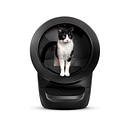
Invest in a Smart Litter Box or Pet Camera: Automatic self-cleaning boxes (like Litter-Robot ) or smart scales track weight and exact frequency/duration of bathroom visits. Sudden changes in bathroom habits are often the very first sign of a UTI, diabetes, or kidney disease.
Track Weight at Home: Weight loss is a silent killer in cats, often preceding hyperthyroidism or chronic kidney disease by months. Weigh your cat once a month on a digital home scale (weigh yourself, then weigh yourself holding the cat).
Monitor Water Intake and Diet: If your cat suddenly starts guzzling water or leaving their wet food untouched, flag it immediately. Increased thirst is a classic early marker for diabetes or kidney failure.
Schedule Bi-Annual Vet Checkups: For adult cats (and especially seniors over age 7), routine blood panels and urinalysis twice a year catch brewing organ decline long before physical symptoms appear.
If you'd like, tell me:
How many cats share your household?
How old your cat is?
I can help you figure out if a monitoring litter is practical for your setup or recommend specific tracking habits for your cat's life stage.