User-friendly moisture meters for indoor plants
Jul 7 – Oct 17, 2026Updated Oct 17, 2026 Reviewed by Dimitry Apollonsky
Which brands AI mentions




Mentioned in
ChatGPTChatGPTGoogle AI ModeGoogle AI Mode


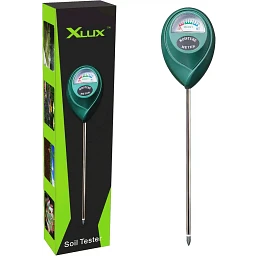
- #1XLUXChatGPT 68%Google AI Mode 79%
- #2tiedLuster LeafChatGPT 73%Google AI Mode 37%
- #2tiedRainPointChatGPT 59%Google AI Mode 42%
- #2tiedSusteeChatGPT 23%Google AI Mode 63%
- #5tiedEcowittChatGPT 27%Google AI Mode 11%
Questions and answers
ChatGPTOct 8, 2026
If your main goal is preventing overwatering, I’d favor a simple moisture-only meter over complicated 3-in-1/4-in-1 gadgets. Current testing of 15 models by HGTV puts the XLUX at the top for its consistency and ease of use.
Luster Leaf Rapitest Soil Moisture Tester
$11.95
Ecowitt WH0291 Soil Moisture Tester
$24.99
RainPoint Wi-Fi Soil Moisture Sensor
$42.99
Panacea Moisture, Light & Soil pH Meter
$18.93
My top picks
Pick Best for Why I like it XLUX Soil Moisture Meter ⭐ Most people No batteries, large color-coded dial, simple single-probe design; HGTV's 2026 testing named it Best Overall. Luster Leaf Rapitest 1820 🌿 Houseplant beginners Straightforward analog reading and a plant-care guide covering watering needs for 150+ plants. Dr.meter S10 👀 Easiest dial to interpret 1–10 color-coded scale; particularly good if you want an instant dry/moist/wet visual cue. Ecowitt WH0291 📱 Digital readout LCD display and a flower-pot moisture indicator; current listing is about $25. RainPoint Smart Sensor 🏠 Forgetful plant owners Leave it in the pot and monitor moisture digitally; some versions offer low/high moisture alerts. 🏆 What I'd buy
For 90% of indoor plant owners: XLUX. It's inexpensive, battery-free, and you simply insert the probe into the root zone and read the color-coded dial. Independent 2026 testing found it gave consistent readings across dry, moist, and saturated soil.
One important caveat: don't treat the meter's number as a universal "water at 3" rule. Different plants and potting mixes need different moisture levels, and inexpensive resistance meters can vary with soil composition. Use the meter to establish a watering pattern for each plant.
Best simple strategy: check the moisture below the surface/root zone, rather than watering because the top inch looks dry. That's particularly useful for avoiding the classic indoor-plant mistake of repeatedly adding water while the deeper soil is still wet.
Google AI ModeSep 25, 2026
- 1XLUX
Preventing overwatering is all about getting a reading near the bottom of the pot where the roots actually sit, rather than just checking the dry topsoil. Top-rated, user-friendly options range from classic analog dials to passive indicators and smart wireless setups:
-
Type: Analog dial, battery-free
-
Why it’s user-friendly: It features a large, color-coded face (dry, moist, wet) with a single slim probe that causes minimal root disruption. You just stick it in, read it instantly, and pull it out.
-
Best for: Everyday potted houseplants using standard potting soil. Available on Amazon Best Sellers.
-
Type: Classic single-probe analog meter
-
Why it’s user-friendly: Highly rated by The Spruce for its straightforward, no-fuss mechanics. It gives immediate feedback on a simple numerical scale so you can learn your specific plant's preferred moisture threshold.
-
Best for: Budget-conscious indoor gardeners looking for a reliable spot-check tool.
-
Type: Digital wireless capacitive sensor with app integration
-
Why it’s user-friendly: It monitors moisture every minute and streams data straight to an app on your phone via a Wi-Fi hub. You can set custom high/low alerts so your phone pushes notifications when the soil hits critical saturation levels. The capacitive probe resists rust much better than traditional metal prongs.
-
Best for: Tech-savvy plant parents or expensive/rare indoor collections where overwatering is a costly mistake. Check out options via Home Depot.[2][3][4][6][7]
If you'd like, let me know:
- What kinds of indoor plants you are growing (e.g., succulents vs. tropical moisture-lovers)
- Whether you prefer a quick manual check or a smart phone alert system
I can narrow down which choice fits your routine best!
Sources cited in this answer2
Google AI ModeOct 17, 2026
Stopping overwatering is the single best thing you can do for indoor plant health, and the right sensor takes all the guesswork out of the process. Top-rated, user-friendly options range from
passive indicators to smart tech:
- How it works: This minimalist stick stays permanently in your potting mix. It features a chemical color window that turns blue when the soil is wet and changes to white when it's time to water again.
- Why it's user-friendly: No batteries or apps required. It operates using pF value (soil moisture tension) rather than raw electrical conductivity, meaning it mimics actual root absorption. You just glance at the top of the stick. Replacement cores last about 6 to 9 months. Available in multiple sizes on sites like Ace Hardware.
- How it works: A classic single-probe metal meter with a large dial face showing a 1-to-10 scale and a handy watering guide printed on the packaging for hundreds of common plants.
- Why it's user-friendly: It requires no batteries. You plug it into the root zone, read the needle instantly, and pull it back out (leaving metal probes in wet soil permanently can accelerate corrosion). It's straightforward, cheap, and very fast.
- How it works: A sleek, short-stem device you leave in the soil that measures moisture, temperature, sunlight, and soil fertility via Bluetooth, syncing data to an app with a database of over 6,000 plant profiles.
- Why it's user-friendly: It sends push notifications straight to your phone when moisture drops too low, preventing both over- and underwatering. The replaceable button-cell battery lasts a full year.
- How it works: Uses a corrosion-resistant capacitive probe to track real-time soil moisture levels and transmits data via a gateway hub to a smartphone app.
- Why it's user-friendly: Great for larger collections or hard-to-reach shelves. You can set custom high/low threshold alerts so your phone tells you explicitly when the soil is still too wet to touch. You can check current pricing or options on platforms like Lowe's.[1][2][3][4][5][6]
If you'd like to narrow this down, let me know:
- Are you looking for a set-it-and-forget-it visual indicator (like Sustee) or do you prefer phone/app alerts?
- What kinds of plants do you have (e.g., moisture-loving ferns vs. drought-tolerant succulents)?
ChatGPTOct 17, 2026
If your goal is to stop overwatering indoor plants, I'd focus on a sensor that's easy to read, checks moisture below the soil surface, and helps you decide when to wait rather than water. You don't necessarily need an expensive smart device.
I checked recent product reviews and shopping listings. My top choices fall into three categories: simple probe meters, always-in-the-pot indicators, and app-connected sensors. In recent hands-on testing, the XLUX analog meter was a standout for its simplicity and value.
My top soil moisture sensor picks
1. XLUX Plant Soil Moisture Meter
(Best overall)
$10–15 typical price
A simple, battery-free probe with a large, color-coded dial showing dry, moist, or wet. Insert it into the soil, check the reading, and remove it.
Pros: Very easy to use, affordable, good for deeper pots.
Cons: Less reliable in chunky bark mixes and very airy soil.
Best for: beginners and everyday houseplant care.
www.hgtv.comwww.bobvila.comwhyismyplant.com
XLUX Plant Soil Moisture Meter
2. Sustee Aquameter
(Best set-and-forget)
Around $6–15 per stick, depending on seller
This slim indicator stays in the pot and changes color: blue indicates moisture is sufficient, while white signals that watering may be needed.
Pros: No batteries, no app, and no repeated probing.
Cons: Needs eventual replacement; only indicates moisture at one depth.
Best for: busy plant owners, shelves, and plants that need frequent monitoring.
www.etsy.comwww.garden.comwhyismyplant.com
Sustee Aquameter
3. Ecowitt WH51 Wireless Soil Moisture Sensor
(Best for tracking moisture)
Check bundle pricing
A wireless sensor for people who want numerical readings and a record of how quickly their pot dries out. App monitoring requires a compatible Ecowitt gateway, which may cost extra.
Pros: Tracks changes over time; useful for multiple plants and watering reminders.
Cons: More setup and expense than a basic meter.
Best for: larger collections and plant owners who enjoy data-driven care.
shop.ecowitt.comwww.garden.com
Ecowitt WH51
4. RAINPOINT Smart Digital Wireless Plant Moisture Meter
About $23 for a sensor; bundles cost more
A digital display shows moisture levels, with an optional Wi-Fi hub for remote monitoring and alerts on compatible configurations.
Pros: Clear digital feedback and the option of notifications.
Cons: Smart features depend on the right hub; fewer reviews than the established basic meters.
Best for: people who want a digital readout without immediately committing to a full monitoring setup.
www.rainpoint.comwww.rainpoint.com
RAINPOINT Smart Digital Wireless Plant Moisture Meter
5. Luster Leaf Rapitest Soil Moisture Meter
About $15–20 for some models
A straightforward probe meter with an easy-to-understand dial. It's a reasonable alternative if you prefer a traditional moisture tester from an established garden-tool brand.
Pros: Simple operation, no app, useful for spot-checking root-zone moisture.
Cons: Analog probe readings are relative, and probe wear can affect reliability.
Best for: occasional checks on standard potting soil.
Luster Leaf Rapitest Soil Moisture Meter
Which one should you buy?
If you want… My pick Best balance of price and simplicity XLUX A visual reminder that stays in the pot Sustee Moisture history and app monitoring Ecowitt WH51 A digital display and optional alerts RAINPOINT A basic alternative for occasional checks Rapitest For most people trying to stop overwatering, I'd start with the XLUX. If you'd rather not remember to take readings at all, choose the Sustee.
How to use a moisture sensor to prevent overwatering
1. Check below the surface.
Insert the probe into the root zone, avoiding thick roots. Surface soil can be dry while the bottom of a pot is still saturated.
2. Don't water just because the top looks dry.
Check the meter alongside the soil's feel and, if possible, the weight of the pot. Let the plant's needs guide your decision, not a fixed weekly schedule.
3. Let excess water drain away.
Use a pot with drainage holes and empty the saucer. Even an accurate sensor can't compensate for roots sitting in waterlogged soil.
One important caveat: inexpensive probe meters can give misleading readings in coarse succulent soil, orchid bark, and other airy mixes. Use a wooden chopstick or finger test to cross-check readings, and remove and wipe analog probes after each use rather than leaving them in the soil.
Let me narrow it down for your plants
What kinds of plants are you caring for?
Tropical plants (pothos, monstera, philodendron)
Succulents and cacti
A mix of different houseplants
Indoor herbs or edible plants
How many plants do you have?
1–2
3–10
More than 10
What's your budget?
Under $20
$20–50
$50 or more
How would you prefer to check moisture?
Simple visual reading, no app
Digital display
Phone app and watering alerts
[Find my best match]
Sources cited in this answer9
- hgtv.com7 Best Soil Moisture Meters of 2026 Reviewed | HGTV
- bobvila.comThe Best Soil Moisture Meters - Tested by Bob Vila
- whyismyplant.comWhat is the best moisture meter for houseplants? | Why Is My Plant
- etsy.comSustee Aquameter
- garden.comMoisture meters for houseplants: best options for 2026 - Garden
- shop.ecowitt.comWH51 Wireless Soil Moisture Meter – Soil Moisture Sensor for Irrigation Management, Garden, and Agriculture






Also asked as
- Can you suggest some top-rated moisture meters that are simple to operate for indoor plant care and help avoid overwatering?