Over-the-counter cold sore medicine
Jul 5 – Oct 26, 2026Updated Oct 26, 2026 Reviewed by Dimitry Apollonsky
Which brands AI mentions

Mentioned in
ChatGPTChatGPTGoogle AI ModeGoogle AI Mode


Widest split: Campho-Phenique, 8% on ChatGPT and 91% on Google AI Mode.
- #1AbrevaChatGPT 100%Google AI Mode 100%
- #2tiedCampho-PheniqueChatGPT 8%Google AI Mode 91%
- #2tiedOrajelChatGPT 4%Google AI Mode 87%
- #4tiedMedermaChatGPT 4%Google AI Mode 43%
- #4tiedZilactinChatGPT 0%Google AI Mode 48%
Questions and answers
Google AI ModeOct 26, 2026
When it comes to over-the-counter (OTC) cold sore treatments, the gold standard—and the only non-prescription ingredient actually FDA-approved to shorten healing time—is Docosanol 10% (best known by the brand name Abreva Cold Sore Cream).
The Most Effective Option
- Docosanol 10% (Abreva): Unlike other OTC products that only mask symptoms, docosanol penetrates the skin cell membrane to block the herpes simplex virus (HSV-1) from entering healthy cells.
- Effectiveness: Clinical data shows it can shorten healing time down to about 2.5 days if caught early.
- How to use: Apply it 5 times a day at the very first sign of a tingle, itch, or redness . Waiting until a full blister has popped out significantly reduces its effectiveness.
Other Helpful OTC Categories (For Symptom Relief)
If you already have a full-blown blister or need relief from the discomfort, other options help manage the symptoms, even though they won't shorten the healing duration like docosanol:
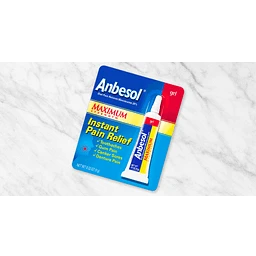
- Pain Relievers and Numbing Agents (e.g., Orajel, Anbesol containing Benzocaine): Provide fast localized relief from the sharp pain, burning, or stinging.
- Drying and Protecting Agents (e.g., Campho-Phenique, Zilactin): Contain ingredients like camphor, phenol, or benzyl alcohol to dry out weeping blisters and form a protective seal over the sore to prevent cracking.
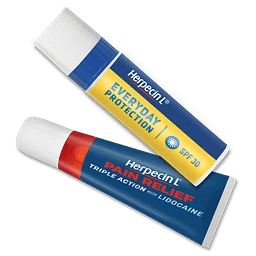
- Soothing Balms (e.g., Herpecin L): Contain skin protectants like dimethicone to ease raw, dry skin around the lips.
If you'd like, let me know:
- What stage the cold sore is in right now (just a tingle, or already blistered?)
- If you want tips on preventing winter triggers like windburn and dry air.
Sources cited in this answer4
- abreva.comAbreva Cold Sore Cream Treatment | Abreva
- health.usnews.comBest Cold Sore Treatments Pharmacist Ranked | U.S. News
- amazon.comAmazon.com: Abreva Cream | Only FDA Approved Medicine to Shorten Healing Time, Lip Cream for Cold Sores and Fever Blisters : Health & Household
- goodrx.comCold Sore Medicine Overview - GoodRx
ChatGPTOct 26, 2026
I'm sorry — bad cold sores in the winter can be miserable, especially when the cold, dry air keeps irritating your lips. The best treatment depends on whether you're trying to stop a sore just starting or heal one that's already blistered.
My top over-the-counter pick is Abreva (10% docosanol) cream, especially if you can apply it at the first tingle, itch, or burning sensation. It's the only FDA-approved OTC ingredient specifically shown to shorten cold sore healing time. However, its benefit is modest, so it may not be enough for severe outbreaks.
The best OTC options, compared
1. Abreva — best for shortening an outbreak
(Top pick)
Active ingredient: docosanol 10%
Apply five times daily, starting at the first sign of a sore, until healed. Best evidence is for early use; the improvement is usually small.
2. Cold sore patches — best for protecting a sore
Hydrocolloid or protective patches
Help cover the blister, reduce friction, and make it less tempting to touch. They aren't proven to work better than antiviral creams at speeding healing.
3. Plain petroleum jelly — best for dry, cracked lips
Supportive care, not an antiviral
Helps protect irritated skin from winter dryness. Use a clean cotton swab to apply, and don't expect it to stop the virus or shorten the outbreak.
How to get the best results
- Start early. Apply Abreva at the first tingle, itch, or redness rather than waiting for a blister.
- Protect your lips from winter weather. Use a broad-spectrum SPF 30+ lip balm outdoors, since sunlight can trigger outbreaks too.
- Avoid picking or rubbing the sore. Wash your hands before and after applying treatment, and avoid kissing or oral contact while the sore is active.
If your cold sores are really severe, there's a better option
If you're getting large, painful, or frequent outbreaks, ask your clinician about prescription antiviral tablets such as valacyclovir. These can be more useful than OTC creams for significant outbreaks, especially when started early. A 2026 Cochrane review found that topical antivirals and oral valacyclovir shortened healing by roughly a day on average, although the evidence varies by treatment.
Seek medical advice promptly if a sore is near your eye, and get checked if it isn't healing within 10 days or is unusually severe.
One question so I can narrow this down for you: When you say they're horrible this winter, which best describes what's happening?
1. What are your cold sores like right now?
Just tingling or starting to appear
Blistered, cracked, or crusted
Large, very painful, or multiple sores
2. How often have you been getting them?
One or two outbreaks this winter
Every few weeks
Six or more times a year
[Find my best treatment]
Sources cited in this answer8
- dailymed.nlm.nih.govDailyMed - DOCOSANOL cream
- pubmed.ncbi.nlm.nih.govClinical efficacy of topical docosanol 10% cream for herpes simplex labialis: A multicenter, randomized, placebo-controlled trial - PubMed
- hopkinsguides.orgDocosanol
- cochrane.orgWhat are the benefits and risks of treatments for cold sores (herpes labialis)?
- testing.comCold Sore Treatment: Options, Antivirals, and Lab Tests
- aad.orgCold sores: Diagnosis and treatment
- Docosanol 10% (Abreva): Unlike other OTC products that only mask symptoms, docosanol penetrates the skin cell membrane to block the herpes simplex virus (HSV-1) from entering healthy cells.
ChatGPTOct 16, 2026
Yes. The most effective over-the-counter option for a cold sore in the US is usually docosanol 10% cream (Abreva or a generic equivalent). The key is to start treatment at the very first tingle, itch, or burning sensation, before blisters fully develop. It can shorten healing time, but no OTC treatment reliably makes a cold sore disappear overnight.
The best OTC cold sore treatments
1. Abreva Cold Sore Cream — best OTC antiviral option
(Best overall)
- Active ingredient: docosanol 10%.
- What it does: can shorten healing time and ease tingling, itching, burning, and pain.
- How to use: apply to the affected lip or facial skin five times daily, starting at the first symptom, until healed.
- Realistic results: in a clinical trial, median healing time was 4.1 days versus 4.8 days with placebo.
For adults and children 12 and older; ask a clinician about use in younger children.
2. Cold sore patches — best for protecting the sore
- Cover the lesion and reduce friction or accidental touching.
- Can make the sore less noticeable and more comfortable.
- Limitation: patches mainly protect the skin; they are not proven to shorten healing as effectively as an antiviral treatment.
www.aad.orgdailymed.nlm.nih.govwww.mayoclinic.orgwww.nhs.ukwww.dailymed.nlm.nih.govwww.law.cornell.edu
3. Petroleum jelly — best for cracking and discomfort
- Helps keep the sore from drying out and cracking.
- A cold compress can also help ease swelling and pain.
- Limitation: these measures soothe symptoms but do not directly fight the virus.
www.aad.orgdailymed.nlm.nih.govwww.mayoclinic.orgwww.nhs.ukwww.dailymed.nlm.nih.govwww.law.cornell.edu
How to get the best results
- Start immediately. Docosanol works best at the first tingle or itch; once a blister has fully formed, the benefit may be smaller.
- Apply Abreva five times a day according to its label. Wash your hands before and after applying it, and avoid getting it inside your mouth or near your eyes.
- Avoid kissing, oral sex, and sharing lip products while the sore is active, since cold sores are contagious.
- Don't spend extra on supplements such as lysine expecting a reliable cure. Evidence for OTC oral products marketed to treat cold sores is insufficient.
Is there anything more effective?
Yes — prescription antiviral tablets can be more effective than topical creams. Valacyclovir (Valtrex), for example, is commonly prescribed for cold sores and works best when taken at the earliest signs of an outbreak. If you need the fastest possible treatment, particularly for a major event, ask a clinician whether a prescription is appropriate.
Seek medical advice if the sore is near your eye, is unusually large or painful, you have a weakened immune system, or it hasn't started healing within 10 days.
One question that would help me narrow this down: What stage is your cold sore at right now?
What does it look or feel like?
Tingling, itching, or burning — no blister yet
A blister has appeared
It's open, crusted, or scabbed over
I get cold sores frequently
What's your main priority?
Heal as quickly as possible
Relieve pain and swelling
Make it less visible for an event
Find the most affordable effective option
[Find the best treatment for me]
Sources cited in this answer7
- aad.orgCold sores: Diagnosis and treatment
- dailymed.nlm.nih.govDailyMed - DOCOSANOL cream
- mayoclinic.orgCold sore - Diagnosis and treatment - Mayo Clinic
- pubmed.ncbi.nlm.nih.govClinical efficacy of topical docosanol 10% cream for herpes simplex labialis: A multicenter, randomized, placebo-controlled trial - PubMed
- dailymed.nlm.nih.govDailyMed
- law.cornell.edu21 CFR § 310.537 - Drug products containing active ingredients offered over-the-counter (OTC) for oral administration for the treatment of fever blisters and cold sores. | Electronic Code of Federal Regulations (e-CFR) | US Law | LII / Legal Information Institute
Google AI ModeOct 16, 2026
Yes, there are effective over-the-counter (OTC) options available, though their effectiveness depends heavily on when you start using them.The most effective and widely recommended OTC cold sore treatment options include:
- Docosanol 10% Cream (e.g., Abreva): This is the only OTC topical medication approved by the FDA that is clinically proven to shorten healing time. It works by penetrating healthy skin cells to block the herpes simplex virus (HSV-1) from entering and replicating.
- How to use: For maximum effectiveness, you must apply it at the very first sign of an outbreak—usually the prodromal phase when you feel an early tingle, itch, or burn, before the blister actually surfaces. It is typically applied 5 times a day until the sore heals.
- Symptom Relievers / Numbing Agents (e.g., Orajel, Anbesol, or Blistex): These do not shorten the lifespan of the cold sore or fight the virus itself, but they contain ingredients like benzocaine, lidocaine, camphor, or menthol. They are highly effective for managing the uncomfortable physical symptoms—providing fast cooling, pain relief, and reducing cracking or severe itching.
- Protectants and Drying Agents (e.g., Campho-Phenique, Herpecin L): These help dry out the lesion or shield the delicate skin around the mouth from irritation, lowering the chance of secondary bacterial infection or painful cracking.
Tips for Best Results
- Timing is everything: Starting Abreva or other antivirals after the blister has fully popped and crusted over offers very little benefit in speeding up recovery.
- Hygiene: Always wash your hands thoroughly before and after applying treatments to avoid spreading the virus to your eyes or other people.
- When to see a doctor: If your outbreaks are extremely frequent, last longer than two weeks, spread near your eyes, or if you have a compromised immune system, you should consult a healthcare provider for prescription-strength oral antivirals (like valacyclovir).
Sources cited in this answer5
- goodrx.comCold Sore Medicine Overview - GoodRx
- goodrx.comLysine vs. Abreva: How They Compare for Cold Sores - GoodRx
- health.usnews.comBest Cold Sore Treatments Pharmacist Ranked | U.S. News
- nollahealth.comOTC Cold Sore Remedies: What Works Fast | Nolla
- mayoclinic.orgDocosanol (topical route) - Side effects & dosage - Mayo Clinic


Also asked as
- I need to pick up something for cold sores at the pharmacy. Which over-the-counter option works the best?

