Natural appetite control
Jul 8 – Oct 26, 2026Updated Oct 26, 2026 Reviewed by Dimitry Apollonsky
Which brands AI mentions


Mentioned in
ChatGPTChatGPTGoogle AI ModeGoogle AI Mode


Widest split: Psyllium Fiber, 78% on ChatGPT and 14% on Google AI Mode.
- #1Psyllium FiberChatGPT 78%Google AI Mode 14%
- #2tiedgreen tea extractChatGPT 17%Google AI Mode 29%
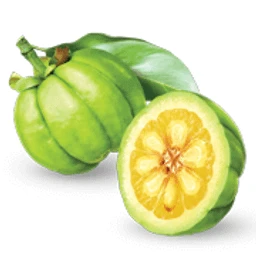
- #2tiedgarcinia cambogiaChatGPT 17%Google AI Mode 5%
- #4tiedYerba MateChatGPT 9%Google AI Mode 10%
- #4tiedBerberineChatGPT 4%Google AI Mode 5%
Questions and answers
ChatGPTOct 26, 2026
If you want a natural appetite suppressant that genuinely helps with cravings, my first choice would be to focus on protein and soluble fiber rather than herbal “fat-burning” supplements. They have a more practical role in helping you feel full, although no natural supplement reliably eliminates cravings for everyone.
The best natural options, ranked
1. Protein-rich foods
(Best first step)
Eggs, Greek yogurt, cottage cheese, fish, chicken, tofu and edamame.
Protein-rich meals can help you feel satisfied for longer and may make it easier to manage hunger between meals. Try including a substantial protein source at breakfast and lunch.
2. Psyllium husk
(Best supplement to consider)
A soluble fiber that absorbs water and can increase fullness. Fiber research supports some benefits for satiety, but effects vary by fiber type and person.
Safety: Take it with plenty of water and follow the product label. It can interfere with medication absorption; ask a pharmacist about timing, especially if you take prescription medicines or have swallowing difficulties.
3. Oats, beans, fruit and chia seeds
Best food-based fiber strategy
These provide fiber and, in some cases, protein. Pairing fiber with protein at meals can help you stay satisfied instead of reaching for snacks shortly afterward.
4. Green tea
Not a strong craving suppressant
It can be a pleasant low-calorie drink, but evidence for meaningful weight loss or reliable appetite suppression is weak. Avoid assuming concentrated green tea extract is safer or more effective; it has been linked to liver injury.
What about popular natural appetite suppressant supplements?
According to the NIH Office of Dietary Supplements, most weight-loss supplements have little convincing evidence of effectiveness.
Supplement My take Glucomannan (konjac fiber) May increase fullness, but studies show little to no consistent weight-loss benefit. Garcinia cambogia Not recommended; little to no demonstrated benefit and potential safety concerns. Green tea extract Not worth the liver-injury risk for modest or uncertain benefits. Hoodia Not recommended; evidence is poor and it may increase heart rate and blood pressure. Chromium Not a reliable way to control cravings or lose weight. A simple strategy to try first
For the next week, try these three things:
- Eat a protein-rich breakfast, such as Greek yogurt with oats and berries or eggs with whole-grain toast.
- Include protein and fiber at lunch and dinner.
- When cravings hit, pause and ask whether you're physically hungry, tired, stressed, or simply craving a particular food. You don't have to forbid yourself from eating the food you want.
If cravings are intense or persistent, sleep, restrictive dieting, stress and meal timing can all matter. You don't necessarily need a supplement.
Let me narrow it down for you
1. What cravings are you struggling with most?
Sugar, chocolate or desserts
Chips or salty snacks
Feeling hungry all day
Stress eating or emotional cravings
Late-night eating
2. What's your main goal?
Lose weight
Control cravings without necessarily losing weight
Stop constant snacking
3. Would you prefer a food-based option or a supplement?
Food-based
A natural supplement
Either — whatever works best
[Find my best option]
Sources cited in this answer5
- pubmed.ncbi.nlm.nih.govThe effect of fiber on satiety and food intake: a systematic review - PubMed
- pubmed.ncbi.nlm.nih.govThe effect of extracted and isolated fibers on appetite and energy intake: A comprehensive review of human intervention studies - PubMed
- ods.od.nih.govDietary Supplements for Weight Loss - Consumer
- nccih.nih.govWeight Control | NCCIH
- ods.od.nih.govDietary Supplements for Weight Loss - Consumer
Google AI ModeOct 26, 2026
When looking for a natural option that actually helps with cravings rather than just making grand marketing claims, science points away from "
miracle pills" and toward specific viscous soluble fibers and blood-sugar-stabilizing nutrients.True physical hunger and psychological cravings are two different things, but the most effective natural options tackle both by mechanically expanding in your gut and preventing the blood sugar crashes that trigger sudden urges to snack.
The top science-backed natural choices, ranked by how they handle hunger and cravings:
- Glucomannan (Konjac Root): This is a water-soluble dietary fiber derived from the konjac plant. It is widely considered the closest thing to a true natural appetite suppressant because it has an exceptional ability to absorb water. When taken with a large glass of water before a meal, it turns into a thick gel in your stomach, slowing digestion and physically triggering stretch receptors that signal fullness to your brain. It also slows the absorption of sugar, which prevents post-meal crashes that lead to sugar cravings.
- High-Protein Foods & Satiety Nutrients: While not a "supplement," increasing dietary protein is proven to be the most powerful physiological tool for crushing cravings. Protein stimulates satiety hormones like peptide YY and cholecystokinin while suppressing ghrelin (the hunger hormone). Adding a clean protein source to your meals stops the brain from sending chaotic "eat everything in sight" signals.
- Chromium Picolinate: If your cravings are specifically for sweets and carbohydrates , this trace mineral has clinical backing for improving insulin sensitivity. By helping your cells efficiently process blood sugar, it helps flatten the sharp insulin spikes and drops that cause intense, sudden urges for sugar.
- Green Tea Extract (EGCG with Caffeine): A mild stimulant option, green tea provides a modest amount of caffeine combined with catechins like EGCG. It offers a subtle metabolic boost and minor appetite-regulating effects, and the ritual of a warm, bitter beverage can distract from psychological hand-to-mouth snacking habits.
A quick safety note: Always take fiber supplements like glucomannan with at least 8 ounces of water ; failing to do so can cause a dangerous blockage in your throat or digestive tract.
If you want to narrow this down, tell me:
- Are your cravings mostly for sugar/sweets or salty/savory snacks?
- Are you looking for an edible whole-food approach or a supplement?
I can help you build a routine to manage them effectively.
Google AI ModeOct 16, 2026
Here are the most effective, science-backed natural strategies to help suppress your appetite and keep cravings under control:
- Protein intake: Eating a high-protein diet increases levels of satiety hormones like peptide YY (PYY), GLP-1, and cholecystokinin (CCK) while reducing the hunger hormone ghrelin. Aim for a quality protein source at every meal to stay full longer.
- Fiber-rich foods: Soluble fiber absorbs water and forms a gel-like substance in your digestive tract, which slows down digestion and prolongs the feeling of fullness. Excellent choices include oats, flaxseeds, legumes, Brussels sprouts, and avocados.
- Hydration: Sometimes thirst is disguised as hunger. Drinking a large glass of water 30 minutes before a meal can help reduce calorie intake and promote fullness. Herbal teas or black coffee can also temporarily blunt appetite.
- Mindful eating: Eating slowly and without distractions (like a phone or TV) allows your brain enough time to register fullness cues. It typically takes about 20 minutes for your stomach to signal to your brain that it is satisfied.
- Healthy fats: Incorporating moderate amounts of healthy fats—such as olive oil, nuts, seeds, and eggs—slows stomach emptying and triggers satiety hormones effectively.
- Adequate sleep: Sleep deprivation disrupts your hormonal balance, spiking ghrelin (which increases hunger) and crashing leptin (which tells your brain you're full), leading to intense cravings for sugary and fatty foods.
If you'd like, let me know:
- What your typical daily meals look like
- What time of day your cravings hit the hardest
I can help you adjust your routine or suggest specific food swaps to target those moments.
ChatGPTOct 16, 2026
If your goal is to naturally suppress your appetite and keep daily cravings under control, the best approach is to make yourself feel satisfied for longer—not to force yourself to feel less hungry. A combination of protein, fiber, balanced meals, adequate sleep, and a few changes to your eating habits is a good place to start.
You don't need to buy an appetite-suppressant supplement to get started. The CDC recommends prioritizing protein foods, whole fruits and vegetables, healthy fats, and fiber-rich whole grains.
The 5 most effective natural strategies
1. Eat protein at every meal
Protein-rich foods help make meals satisfying and can help you stay full between meals. Try eggs, Greek yogurt, fish, chicken, tofu, lentils, or beans. Pair protein with fiber rather than eating protein alone.
2. Increase fiber gradually
Oats, beans, lentils, berries, pears, vegetables, chia seeds, and whole grains can help meals feel more filling. Increase fiber gradually and drink enough fluids to minimize bloating or constipation.
3. Avoid getting overly hungry
Skipping meals or eating too little can leave you ravenous later and make cravings harder to manage. Build meals around protein, fiber-rich carbohydrates, vegetables or fruit, and some healthy fat. Eat regular meals or snacks as needed.
4. Prioritize sleep and stress management
Poor sleep can increase hunger and cravings for calorie-dense foods. Aim for 7–9 hours of sleep if you're an adult, and try a short walk, breathing exercise, or another relaxing activity when stress triggers mindless eating.
5. Plan for cravings instead of fighting them
Keep satisfying snacks available, such as fruit with nut butter, yogurt with berries, or hummus with vegetables. Pause and ask whether you're physically hungry, bored, stressed, or simply craving a particular taste. You can still enjoy a treat without treating it as a failure.
What about natural appetite-suppressant supplements?
Here's how the popular options compare based on the evidence.
Option What to know Psyllium fiber A fiber supplement that may help with regularity and fullness; appetite-control benefits vary. Take with plenty of water and check with a pharmacist about medication timing. Green tea extract Not a reliable appetite suppressant; concentrated extracts have potential side effects, including liver injury. Garcinia cambogia Little to no evidence of meaningful weight-loss benefits. “Fat burner” blends Often poorly studied, sometimes stimulant-heavy, and can cause adverse effects. The NIH's supplement fact sheet and NCCIH caution that most weight-loss supplements lack convincing evidence of effectiveness and may pose safety risks.
My recommendation: Start with food-based changes before buying a supplement. If you are frequently hungry despite eating enough, or cravings feel unusually intense or difficult to control, it's worth discussing possible contributing factors with a healthcare professional.
A simple daily routine to try
Breakfast
Eggs or Greek yogurt, oats or whole-grain toast, and a piece of fruit.
Lunch
Chicken, tofu, or beans with vegetables, whole grains, and olive oil or avocado.
Afternoon craving
Have a planned snack if you're hungry, such as yogurt, fruit and nut butter, or hummus and crackers.
Evening
Eat a satisfying dinner, allow yourself a treat if you want one, and maintain a consistent bedtime.
Let’s narrow down what will work best for you
One quick question: What is your biggest challenge with appetite or cravings?
1. When do you struggle most?
I'm hungry throughout the day
I crave sweets, chocolate, or sugar
I snack or crave food at night
I eat when stressed, bored, or emotional
I feel hungry again soon after eating
2. What's your main goal?
Manage or lose weight
Reduce sugar cravings
Stay full and satisfied longer
Stop unnecessary snacking
3. Which approach do you prefer?
Food and lifestyle changes only
Natural supplements, if evidence supports them
A combination of both
[Personalize my plan]






Also asked as
- I need help managing my daily food intake; what natural appetite suppressants actually work to reduce cravings?