Cruise travel preparation advice
Jul 7 – Oct 28, 2026Updated Oct 28, 2026 Reviewed by Dimitry Apollonsky
Which brands AI mentions




Mentioned in
ChatGPTChatGPTGoogle AI ModeGoogle AI Mode


Widest split: Dramamine, 5% on ChatGPT and 45% on Google AI Mode.
- #1tiedRoyal Caribbean InternationalChatGPT 50%Google AI Mode 15%
- #1tiedDramamineChatGPT 5%Google AI Mode 45%
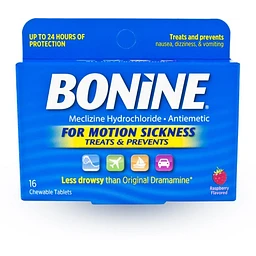
- #3tiedBonineChatGPT 0%Google AI Mode 25%
- #3tiedNorwegian Cruise LineChatGPT 15%Google AI Mode 10%
- #3tiedCarnival Cruise LineChatGPT 15%Google AI Mode 0%
Questions and answers
Google AI ModeOct 28, 2026
- Booking and Documents: Bring your passport (valid for at least 6 months past your return date) and printed cruise documents/boarding passes. Arrive at the port during your assigned arrival time slot.
- The Cruise Card: Your sail-and-sign card acts as your room key, ID, and onboard credit card. Keep it with you at all times using a lanyard or cardholder.
- Embarkation Day: Pack a carry-on bag with your essentials (swimsuit, medications, chargers, important documents) because your main luggage won't arrive at your stateroom until later in the evening.
- Gratuities and Extra Costs: Understand that daily service charges/gratuities are usually charged automatically per person, per day. Extras like specialty dining, Wi-Fi, soda/alcohol packages, and shore excursions cost extra.
- Port Times and Discipline: The ship will not wait if you are late returning from an independent shore excursion. Always set your watch to "ship time" (which may differ from local port time) and aim to return at least 1 hour before all-aboard time.
- Motion Sickness: Even large modern ships move. Pack seasickness remedies like Bonine, Dramamine, ginger candies, or prescription motion-sickness patches just in case.
- Muster Drill: You are required to attend a mandatory safety/muster drill before departure, where you'll learn your assembly station in case of emergency.
If you want to share, let me know:
- Which cruise line or destination you are going to
- What you are most nervous or excited about
I can give you tailored advice for your specific trip.
ChatGPTOct 28, 2026
Your first cruise: 12 things you really need to know 🚢
A first cruise can be an amazing vacation: you unpack once, visit multiple destinations, enjoy restaurants and entertainment, and have plenty of time to relax. The trick is knowing a few things before you board so you avoid unexpected costs, travel stress, and rookie mistakes.
Here are the things I would most want a first-time cruiser to know.
1. The five most important things to get right
1. Arrive in the departure city the day before
If you're flying to the port, arrive at least one day early if possible. A delayed flight could mean missing the ship, which generally won't wait for you. Build in extra time for traffic and transfers, too.
2. Check your travel documents early
Passport and visa requirements depend on your nationality, itinerary, and ports. Some cruises require a passport even when an itinerary may allow other documents. Check the cruise line's official requirements and each destination's entry rules. Many destinations require passports to remain valid for months after travel.
3. Keep essentials in your carry-on
Checked luggage may not reach your cabin for several hours after boarding. Pack medications, documents, valuables, swimwear, sunscreen, chargers, and a change of clothes in a small day bag.
4. Never cut it close returning to the ship
The all-aboard deadline is not the time to start heading back. If you're exploring independently, leave a generous buffer for traffic, queues, and unexpected delays. The ship may leave without late passengers.
5. Know what is and isn't included
Your fare may include a cabin, basic meals, some drinks, pools, and entertainment. Specialty restaurants, alcoholic drinks, Wi-Fi, gratuities, spa treatments, and shore excursions may cost extra.
2. Understand the real cost before you go
Cruises can look inexpensive at first, but extras add up quickly.
Possible extra What to know Gratuities Daily service charges may be added automatically. Drinks Soda, specialty coffee, alcohol, and bottled water may be extra. Wi-Fi Packages can be expensive; your phone's roaming charges can be too. Excursions Ship-organized tours cost extra, but often simplify timing and transportation. Port transportation Taxis, shuttles, local tours, and entrance fees can add up. Onboard purchases Shops, photos, casinos, spas, and specialty dining can increase your bill. My advice: Set a separate spending budget and review the cruise line's drink packages, gratuities, and Wi-Fi costs before purchasing anything. A package is not automatically a good deal.
3. Prepare for motion sickness and staying healthy
Seasickness can happen even if you don't usually get motion sick.
If you're concerned, ask a pharmacist or healthcare professional about motion-sickness remedies before departure; some work best when taken before symptoms start. Stay hydrated, get fresh air, and look toward the horizon if you feel queasy. Cabin location and ship movement can affect how much motion you notice.
A few other health essentials:
- Bring your regular medications, plus a few basic over-the-counter remedies.
- Wash your hands regularly, especially before eating.
- Use sunscreen and drink enough water.
- Consider travel insurance that covers medical care abroad and emergency medical evacuation. Onboard medical care can be expensive.
4. Know the tricks to a smooth first day
Boarding day can feel hectic, so keep it simple.
- Complete online check-in early. Have your documents, boarding pass, and required luggage tags ready.
- Follow your assigned arrival window. Don't assume you can arrive at the port whenever you like.
- Keep your phone charged. Download the cruise line's app and check how to access schedules, deck plans, and reservations.
- Complete the mandatory safety briefing. Know where your assigned muster station is.
- Explore the ship. Find the buffet, main dining room, pool, elevators, guest services, and your cabin.
- Check reservations. Popular shows, specialty restaurants, and activities may need advance booking.
These are standard recommendations in cruise-line embarkation guidance.
5. Learn the three cruise rules that catch people out
Ship time isn't always your phone's time
Check the ship's official time and the all-aboard time for every port. Your phone may update automatically to local time, while the ship follows a different schedule.
Your phone can rack up roaming charges
Maritime cellular service can be particularly expensive. Consider airplane mode while at sea, then use the ship's Wi-Fi if you have a suitable plan. Check your carrier's cruise and international roaming policies.
Cruise ships have prohibited items
Don't assume you can bring a regular power strip, candles, an iron, or your own alcohol. Rules vary by cruise line, and even seemingly harmless items can be prohibited. Check the official packing rules before you pack.
travel.state.govwww.princess.com
6. Don't overpack
You probably need less than you think. Most ships have casual dining options, and you can usually wear outfits more than once.
First-cruise packing checklist
of packed [Reset]
Check your specific cruise line's dress code, electrical-item rules, and document requirements.
7. Shore excursions: book smart, not just early
When your ship stops at a destination, you usually have three choices:
- Book through the cruise line: Often more expensive, but the operator generally coordinates with the ship if a qualifying ship-sponsored excursion is delayed.
- Book independently: Can be cheaper or more personal, but you must manage transportation and timing yourself.
- Explore on your own: Great for walkable towns, beaches, shopping, and local food.
Always check how far the port is from the town or attraction. A ship described as visiting a destination may dock some distance away.
My first-timer recommendation: For a remote attraction, long journey, or unfamiliar destination, consider a ship-sponsored excursion. For a walkable port, independent exploring may be easy and affordable.
8. Your cabin matters, but you don't need to splurge
Interior cabin
Usually the most budget-friendly. Ideal if you expect to spend most of your time enjoying the ship and destinations.
Ocean-view cabin
Offers natural light and a view through a window, usually without a balcony.
Balcony cabin
Costs more but gives you private outdoor space to enjoy the ocean and scenery.
If you're worried about motion sickness, a cabin near the middle of the ship and on a lower deck may feel more stable than one high up or at the very front or back.
9. Don't feel obligated to do everything
Cruise ships offer shows, pools, trivia, fitness classes, bars, restaurants, games, and more. You don't have to book every activity or get off at every port.
Some of the best cruise moments are simple: watching the sunset, eating a relaxed dinner, reading by the pool, or standing on deck as the ship leaves port.
Check the daily schedule in the cruise line's app or newsletter, then pick the activities you actually enjoy.
10. Understand dining and dress codes
- Main dining room: Often included in the fare, with scheduled or flexible seating depending on the cruise.
- Buffet and casual venues: Convenient for quick meals and flexible timing.
- Specialty restaurants: Often cost extra and may need reservations.
- Formal or dress-up nights: Some cruises offer them, but the dress code and level of formality vary.
You generally don't need a different fancy outfit for every night. Check your itinerary and cruise line's dress guidelines before packing.
11. Consider travel insurance and read the fine print
Cruises can involve prepaid travel, international destinations, and limited options for getting home quickly if something goes wrong.
Look closely at whether your policy covers:
- Trip cancellation and interruption.
- Medical expenses outside your home country.
- Emergency medical evacuation.
- Delays that cause you to miss the ship.
- Pre-existing conditions, if relevant.
Coverage, exclusions, and reimbursement limits vary, so compare the actual policy rather than relying on the label "travel insurance." The U.S. State Department also recommends researching shipboard medical services and travel risks.
12. The biggest rookie mistakes to avoid
Let me tailor the advice to your cruise
The best tips depend a lot on your itinerary and cruise line. If you tell me a little about your trip, I can help you prepare a much more specific first-timer guide.
Which cruise line are you sailing with?
Royal Caribbean
Carnival
Norwegian Cruise Line
Princess Cruises
Celebrity Cruises
Disney Cruise Line
Other
Not booked yet / not sure
Where are you cruising?
Caribbean / Bahamas
Alaska
Mediterranean / Europe
Mexico / Pacific Coast
Somewhere else
How long is the cruise?
3–4 nights
5–7 nights
8 nights or longer
Not decided
What's your biggest priority?
Saving money
Avoiding seasickness
Packing and preparation
Excursions and things to do
Getting the most out of the ship
[Personalize my cruise guide]
Google AI ModeOct 19, 2026
- Booking basics: Secure your cruise well in advance, choose a cabin location (mid-ship has the least motion if you are prone to seasickness), and ensure your passport is valid for at least 6 6 6 months past your return date.
- Essential documents: Print out your boarding passes, luggage tags, cruise contract, and emergency contact numbers. Keep these in your carry-on bag rather than checked luggage.
- Packing smart: Pack a dedicated carry-on bag with your documents, medications, a swimsuit, and a change of clothes so you don't have to wait for your main luggage to arrive at your stateroom.
- Budgeting on board: Remember that cruise lines use a cashless onboard account linked to a credit card. Keep an eye on automatic daily gratuities, specialty dining, excursions, and drink packages.
- Embarkation day: Arrive at the port during your assigned arrival time slot, pace yourself at the buffet, and attend the mandatory safety drill before the ship sets sail.
- Motion sickness prep: Bring remedies like motion sickness bands, ginger chews, or over-the-counter meclizine just in case the seas get choppy.
If you'd like, let me know:
- Which cruise line or destination you are looking at
- What month or season you plan to travel
I can give you more tailored packing tips and port advice.
ChatGPTOct 19, 2026
Your first cruise can be an amazing vacation! The nice thing about cruising is that your transportation, room, meals, entertainment, and several destinations are bundled into one trip. The trick is knowing what to arrange ahead of time, what to pack, and what to expect when you get on board.
Here’s a beginner-friendly guide to help you feel prepared, comfortable, and excited rather than overwhelmed.
1. Get these things organized first
Travel documents
- Check your passport's expiration date and your cruise line's identification requirements.
- Review visa requirements for every country on your itinerary.
- Complete online check-in and download your boarding pass.
- Keep required documents and medications in your carry-on, not your checked luggage.
Know what's included
Check whether your fare includes meals, drinks, Wi-Fi, gratuities, room service, and entertainment. Some things that seem included may cost extra.
Plan your arrival
If possible, arrive in the departure city at least one day before the cruise. Flight delays can cause you to miss the ship, and the ship generally won't wait for late passengers.
Pack a day-one bag
Your checked luggage may not reach your cabin immediately. Carry essentials you'll need for the first few hours, including medication, a swimsuit if desired, sunscreen, travel documents, and a change of clothes.
2. What to pack for your first cruise
Use this checklist as a starting point. Adjust it for your destination, weather, and cruise length.
Packing checklist
of packed
[Copy checklist]
One important tip: check your cruise line's prohibited-items policy before packing electrical appliances, irons, power strips, or other items that might not be allowed.
3. How to avoid seasickness
Not everyone gets seasick, and modern cruise ships are designed to reduce the effects of motion, but it's worth preparing.
- Choose your cabin thoughtfully. If you're concerned about motion, a cabin near the middle of the ship and on a lower passenger deck is often a good option.
- Bring a remedy just in case. Ask a pharmacist or healthcare professional which motion-sickness treatment is appropriate for you, especially if you take other medications.
- Stay hydrated and get fresh air if you start feeling queasy.
- Don't wait until you're very sick to consider treatment; some remedies work best when taken before motion begins.
4. Understand how spending works on a cruise
A cruise fare doesn't necessarily cover every expense. Check these items before departure so you can set a realistic budget.
Expense What to know Gratuities Daily service charges may be added to your account. Drinks Alcohol, specialty coffee, soda, and bottled water may cost extra. Dining Main dining rooms and buffets are often included; specialty restaurants may charge extra. Wi-Fi Internet access may require a paid package. Shore excursions Tours, transport, and activities in port may cost extra. Travel insurance Consider coverage for medical emergencies, cancellations, and travel delays. You usually use a cruise card or onboard account to pay for purchases. Read the fare details carefully, and don't buy a drinks or Wi-Fi package just because it's advertised; work out whether you'll actually use it.
5. What happens on the first day?
Arrive at your assigned check-in time
Follow the terminal instructions, show your documents, and hand over any appropriately tagged checked luggage.
Explore and have lunch
Your cabin may not be ready right away. Find a restaurant, explore the deck plan, and check the daily activities.
Complete the safety briefing
Follow the ship's instructions and learn where your muster station is. This is mandatory.
Enjoy sail-away
Watch the ship leave port, settle into your cabin, and enjoy your first dinner or evening show.
6. A few cruise rules worth knowing
- Watch the all-aboard time. When exploring a port independently, return well before the ship's stated departure deadline. The ship generally won't wait for late passengers.
- Check your phone plan. Cellular roaming at sea can be expensive. Use your carrier's guidance and understand the ship's Wi-Fi options.
- Read the daily schedule. Shows, activities, dining times, and special events can fill up.
- Don't overplan. You don't need an excursion at every port or an activity every hour.
- Check travel insurance carefully. Medical evacuation and overseas medical treatment can be expensive, and coverage varies by policy.
Let me tailor this to your actual cruise
The best advice depends quite a bit on where you're going and which cruise line you're sailing with. I can help you make a practical packing list, plan excursions, estimate extra costs, and prepare for embarkation day.
Share whatever you know so far. You can leave any field as-is if you're not sure.
Which cruise line?
Carnival
Royal Caribbean
Princess
Norwegian Cruise Line
Disney
Other / not sure
I haven't booked yet
Where are you cruising?
Caribbean or Bahamas
Alaska
Mediterranean or Europe
Mexico
Hawaii
Somewhere else / undecided
How long is the cruise?
2–4 nights
5–7 nights
8 nights or longer
Not sure yet
When do you travel?
Within 3 months
3–6 months from now
More than 6 months from now
Not booked yet
Who's traveling?
Adults only
Family with children
Multiple generations
Traveling solo
[Personalize my cruise guide]
You don't have to know everything before you go. A little preparation will take care of most of the stressful parts, leaving you free to enjoy the experience.
Sources cited in this answer6
- princess.com5 cruise tips for new or seasoned cruisers - Princess Cruises
- hollandamerica.comWhat to pack for a cruise?
- carnival.comBest Cruise Tips for First-Timers | Carnival Cruise Line
- celebritycruises.comAnswers To All Of Your First-Time Cruise Questions | Celebrity Cruises
- royalcaribbean.comFirst Time Cruise Tips | Royal Caribbean Cruises
- royalcaribbean.comHow To Book a Cruise for the First Time | Royal Caribbean Cruises



Also asked as
- I have never been on a cruise before and need some advice on how to prepare. What are the essential tips for a first-timer?