Nexcare and Abreva sit nearly tied across broad first aid and emergency searches, with Nexcare suggested for sensitive skin wound care and Abreva for over-the-counter cold sore relief. For behavioral de-escalation training, Crisis Prevention Institute is the usual answer.
Since July, TryNOVAfalling is named occasionally for crisis intervention training, while Mölnlyckerising has seen increased visibility for hypoallergenic silicone dressings.
Latest insights
Weeks of Sep 21 – Oct 8, 2026
Band-Aid Gaining: Band-Aid moved up 13 places to rank #8 of 100 in Emergency Preparedness and First Aid
LivingWorks ASIST Gaining: LivingWorks ASIST's mention rate increased to 20.5% in Emergency Preparedness and First Aid, from 13.6% the week before
LivingWorks ASIST Gaining: LivingWorks ASIST now leads Pendleton in Emergency Preparedness and First Aid, #3 to #8
Pendleton Slipping: PendletonNYU Silver School of Social Work moved ahead of Pendleton in Emergency Preparedness and First Aid
Woolly Mammoth Woolen Company Slipping: Woolly Mammoth Woolen CompanyFaribault Woolen Mill Co. moved ahead of Woolly Mammoth Woolen Company in Emergency Preparedness and First Aid
Managing wounds when you have skin allergies or extreme sensitivity requires avoiding common contact allergens like natural rubber latex, acrylate/acrylates-based adhesives, and harsh resins.
Recommended Hypoallergenic Dressings & Bandages
Silicone Bordered Foams (e.g., Mepilex, Medvance Soft Silicone): These use a soft silicone adhesive rather than traditional acrylic glues. Silicone adheres gently to dry skin, doesn't stick to the moist wound bed, and can be lifted and repositioned without stripping fragile or allergic skin.
Sensitive Skin Adhesive Bandages (e.g., Band-Aid Brand Sensitive Skin Bandages): Designed with specialized "Sensi-Layer" technology or gentle hydrocolloid/silicone interfaces that grip safely yet peel away cleanly without tearing or inflaming sensitive skin.[](https://www.band-aid.com/products/adhesive-bandages/sensitive-skin-bandages)
Non-Adhesive Gauze Pads with Wrap (e.g., Telfa Pads + Tubular Bandnet or ): The safest option for severe contact dermatitis is to use a non-medicated, non-adherent sterile gauze pad directly on the wound and secure it using a stretch net, tubular bandage, or paper tape overwrap rather than placing adhesive directly on the skin.
I'm getting horrible cold sores this winter. What is the most effective over-the-counter cold sore medicine?
What is the best training for a social worker on crisis intervention?
Which company makes the highest-quality wool blankets and sleeping bags for emergency situations without power?
Kerlix
Recommended Gentle Medical Tapes
Silicone Medical Tape (e.g., 3M Kind Removal Silicone Tape / Mepitac): This tape features a silicone adhesive that offers secure holding power yet removes pain-free without causing epidermal stripping or allergic contact flare-ups.
Paper Tape (e.g., Nexcare Gentle Paper Tape / 3M Micropore): Highly breathable, hypoallergenic, and formulated to leave minimal residue or irritation, making it a standard choice for frequent dressing changes.
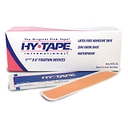
Zinc Oxide / Waterproof Fabric Tape (e.g., Hy-Tape Pink Tape): Infused with zinc oxide, this tape is soothing to many sensitive skin types, adheres well, and removes cleanly without aggressive tearing.
If you can share what type of reaction or allergy you have (e.g., latex allergy, acrylic adhesive allergy) or the location of the wound , I can narrow down these recommendations to the safest specific material for your situation.
Yes. For people with adhesive allergies or very sensitive/fragile skin, I’d generally prioritize non-adhesive dressings or soft-silicone adhesives rather than conventional acrylic/latex-containing bandages. Silicone dressings are designed to reduce skin trauma during removal, while non-adhesive options eliminate the skin-contact adhesive altogether.
Best for a known adhesive allergy: non-adhesive foam.Biatain Non-Adhesive Foam Dressing doesn't use adhesive against the skin. You can secure it with a suitable silicone tape or a tubular bandage.
Best gentle wound-contact layer:Hartmann Atrauman Silicone Wound Contact Layer uses a low-adherent silicone interface, useful when you want the dressing to come off without sticking to the wound.
Best adhesive option for fragile/sensitive skin:Mölnlycke Mepilex Silicone Foam Dressing uses soft silicone rather than a conventional aggressive adhesive. Silicone dressings are particularly useful for fragile skin because they can reduce epidermal stripping during changes.
3M Tegaderm Transparent Hypoallergenic Film Dressing and Nexcare Sensitive Skin Dressings are options specifically marketed for sensitive skin. Nexcare's product uses a hypoallergenic, water-resistant silicone adhesive and is latex-free.
One important caveat: “hypoallergenic” doesn't guarantee that you'll tolerate the product. Medical adhesives can contain allergens such as colophony/rosin derivatives and acrylates, and reactions have even been reported with some products labeled hypoallergenic. pmc.ncbi.nlm.nih.gov If you know the specific allergen you're reacting to, check the manufacturer's ingredient/material information rather than relying on the word “hypoallergenic.”
For very allergy-prone skin, my first choice would be non-adhesive sterile gauze/foam + silicone tape, rather than putting adhesive directly around the wound. The American Academy of Dermatology specifically suggests non-adhesive gauze with paper tape for people sensitive to adhesives.
If you tell me what kind of allergy you have (latex, adhesive/acrylate, silicone, or unknown) and whether this is for small everyday cuts, surgical wounds, or a chronic wound, I can narrow this down to the safest 3–5 products.
Yes, there are several specialized wound care products designed specifically to be safe, gentle, and non-irritating for people with skin allergies, contact dermatitis, or fragile skin . The main culprits behind skin reactions in first-aid supplies are natural rubber latex, harsh acrylic or rubber-based adhesives, and certain chemical dyes or fragrances.
Here are the safest options available for sensitive skin:
Paper medical tape: Options like 3M Micropore Paper Tape are porous, lightweight, and hypoallergenic. They are designed for delicate or easily irritated skin and allow the skin to breathe while holding gauze in place.[](https://www.exmed.net/hypoallergenic-tape)
Non-stick sterile gauze pads with paper tape or tubular netting: If adhesive bandages themselves cause a rash, the safest method is to place a sterile, non-woven cotton gauze pad directly over the wound and secure it using a breathable elastic stretch net (tubular bandage) or gentle paper tape taped only to itself or non-reactive areas.[](https://www.exmed.net/hypoallergenic-tape)
Hydrocolloid or non-adhesive dressings secured with wrap: For scrapes and minor burns, non-adhesive hydrocolloid dressings or simple non-adherent pads held in place with a self-adhering cohesive wrap avoid skin-to-adhesive contact entirely.
If you'd like, let me know:
What specific type of reaction you usually experience (e.g., redness, blistering, itching from adhesives or latex)
Whether you are shopping for a minor cut, surgical incision, or chronic wound care
I can give you more tailored product recommendations.
Yes. If someone has skin allergies or reacts to ordinary adhesive bandages, there are several gentler options. The key is to identify what they are allergic to—adhesive chemicals, latex, preservatives, topical antibiotics, or something else—because “hypoallergenic” does not guarantee that a particular person won't react.
Good options to consider
Soft silicone dressings/bandages: Often the best starting point for very sensitive or fragile skin. Silicone has low chemical reactivity, and silicone dressings are designed to minimize skin trauma when removed.
Silicone tape + non-stick gauze: You can put a sterile, non-adherent pad over the wound and secure it with silicone tape rather than conventional adhesive tape. Silicone tape is designed to be repositioned and removed with less trauma.
Yes, there are several wound care products specifically engineered for sensitive, fragile, or allergy-prone skin . Traditional adhesive bandages often use acrylic or rubber-based adhesives and natural rubber latex, which frequently trigger contact dermatitis.
To avoid a reaction, look for products explicitly labeled latex-free, hypoallergenic , and formulated with alternative adhesive technologies.
Silicone-Adhesive Bandages and Tapes: Soft silicone adhesives (found in brands like 3M Kind Removal Silicone Tape or various silicone island dressings) stick securely to dry skin but peel off painlessly without stripping the epidermis or pulling delicate skin cells. They are generally the gold standard for severe contact allergies.[](https://www.amazon.com/Hysimedy-Silicone-Bandages-Sensitive-Skin/dp/B0BQFKMCBM)
Paper or Gentle First Aid Tapes: If you need to secure raw sterile gauze separately, breathable paper tapes (like Nexcare Gentle Paper Tape ) are significantly milder on reactive skin than standard plastic or cloth adhesive tapes.
Non-Adhesive Gauze with Netting: The safest zero-adhesive method is using plain sterile cotton gauze pads held in place with a tubular elastic stretch net or a self-adherent wrap rather than sticking anything directly to the skin.
If you know what specific material or chemical you've reacted to in the past (like latex or specific adhesive glues), I can help you narrow down the safest exact product features to look for.
Yes. There are wound-care products designed for people with sensitive skin or adhesive allergies, and several can reduce the risk of a reaction. The key is to identify what causes the reaction: it could be the adhesive, latex, a dressing ingredient, or the friction and moisture trapped beneath the bandage.
For someone with skin allergies, I would start with a sterile, non-adherent wound pad held in place with a non-adhesive wrap, rather than a conventional adhesive bandage. If adhesive is necessary, look for products specifically designed for sensitive or fragile skin.
Best wound-care options for allergy-prone skin
1. Non-stick sterile wound pads
(Best first choice)
These cover cuts and scrapes without sticking to healing tissue. Secure them with a soft wrap or tubular bandage so you can avoid adhesive on the skin altogether.
Example: CVS Health Sterile Latex-Free Non-Stick Pads
If you're allergic to common bandage adhesives, I'd focus on hypoallergenic, latex-free wound care products that explicitly use silicone adhesive. Silicone-based adhesives are often gentler on sensitive or fragile skin and can reduce skin trauma when dressings are removed.
One important distinction: latex-free does not automatically mean free of every adhesive allergen. If you've had allergic reactions to bandages, check the exact product's materials before using it.
Where to buy silicone-based wound care products
These are some good starting points, including everyday first-aid supplies and more advanced wound dressings.
1. Nexcare Sensitive Skin Tape
(Best for securing gauze)
Sold by Target and other retailers
Uses silicone adhesive, is hypoallergenic, and is not made with natural rubber latex. A good option for holding a separate wound pad in place.
Sold through the CURAD website and listed retailers
Hypoallergenic silicone-blended tape designed for sensitive skin. It can be repositioned and is explicitly labeled as not made with natural rubber latex.
3. Medline Optifoam Gentle EX Silicone Adhesive Foam Dressing, …
Sold by Walmart and medical-supply retailers
A padded, absorbent dressing with gentle silicone adhesion, intended for wounds needing more coverage than a small adhesive bandage. Confirm the latex-free labeling for the exact size and product variant.
Look for both “silicone adhesive” and “not made with natural rubber latex.” Verify these claims on the exact product packaging or manufacturer documentation.
Check for your specific adhesive allergen. Some people react to acrylates, colophony (rosin), or other adhesive ingredients rather than latex itself. Silicone-based products may be a better choice, but aren't guaranteed to prevent every reaction.
Consider a non-adhesive alternative. A non-stick wound pad secured with a tubular dressing retainer or gauze wrap can avoid skin adhesives altogether.
If your previous reactions were severe, ask your allergist or pharmacist to review the ingredient information before trying a new product.
Let me narrow this down
Are you looking for small everyday bandages for cuts, silicone tape to hold gauze in place, or larger wound dressings for surgical incisions or fragile skin? I can find more suitable products and retailers for your particular need.
If you have a sensitivity or allergy to traditional rubber-based or acrylic/latex adhesives, silicone-based adhesives are a game-changer because they adhere gently to the skin's surface cells rather than pulling at the skin, and they are inherently latex-free.
Several major brands and medical manufacturers offer hypoallergenic, silicone-based adhesive bandages and wound dressings:
Latex-free cotton gauze: Particularly useful if the allergy is to latex. Latex can occur in various medical products, including elastic bandages and some adhesive/tape products.
Things I'd avoid if they've reacted to bandages before
Look for products specifically labeled latex-free and preferably fragrance-free. Conventional adhesive plasters can contain substances such as rosin (colophony) or acrylates that cause allergic contact dermatitis.
Also be cautious with antibiotic ointments such as neomycin or bacitracin unless a clinician specifically recommends one; these themselves can cause contact allergy.
If the person has had repeated reactions to wound products, patch testing by a dermatologist/allergist can identify the specific allergen and make choosing dressings much easier.
If you tell me what kind of allergy they have (e.g., latex, adhesive, eczema, or a previous reaction to Band-Aids) and whether this is for a small cut, surgical wound, skin tear, or larger wound, I can narrow it down to the safest types and specific products.
These use a gentle silicone adhesive that typically removes with less trauma than conventional adhesive dressings. They can be useful for fragile skin or when a dressing needs to stay on for longer.
Important: silicone is often gentler, but it is not guaranteed to be allergy-free.
3. Gentle paper medical tape
If you need tape to hold gauze in place, paper tape designed for sensitive skin may be worth considering. However, it still contains adhesive and can trigger a reaction in some people.
These are examples to consider, not products guaranteed to be safe for a specific allergy. The American Academy of Dermatology also recommends a non-adhesive gauze pad with paper tape for people sensitive to adhesives.
What to look for on the label
Latex-free: especially important if there is a known latex allergy.
Non-adherent or non-stick: helps prevent the dressing from sticking to the wound.
Silicone adhesive: may be gentler than traditional adhesives.
Fragrance-free: a useful precaution for people with fragrance sensitivities.
Ingredient disclosure: if reactions are severe, check with the manufacturer about the adhesive's composition. Terms like “hypoallergenic” do not guarantee that a product won't cause a reaction.
Avoid repeatedly trying new adhesive products on irritated skin. If reactions recur, a dermatologist can evaluate for contact allergies and may recommend patch testing.
I can narrow this down for you
The best choice depends on the type of reaction. What happens when this person wears a regular bandage?
1. What kind of reaction do they get?
Red, itchy rash where the adhesive touches
Blisters, swelling, or a severe skin reaction
Skin tears or comes off when removing the bandage
Not sure, or a different reaction
2. What type of wound is it for?
Small cuts and scrapes
A surgical wound or stitches
A larger, slow-healing wound or skin tear
3. Is a specific allergy known?
Latex or rubber
Medical tape or adhesive
Another known skin allergy
Unknown / not diagnosed
[Find the best options]
If the reaction involves rapidly spreading redness, warmth, pus, worsening pain, fever, or significant swelling, seek medical advice promptly. Trouble breathing or swelling of the lips or tongue requires emergency care.
Medline & MedVance : Known for hospital-grade supplies, they manufacture silicone foam dressings and bordered gauze (such as MedVance Silicone Foam Dressings ) which use a gentle silicone wound contact layer/border ideal for delicate or allergy-prone skin.