Emergency water storage systems
WaterBrick has a clear lead for long-term emergency water storage containers and systems.

Since Jul 8Updated Nov 10, 2026Based on 49 AI answers Reviewed by Dimitry Apollonsky


Brands AI mentions

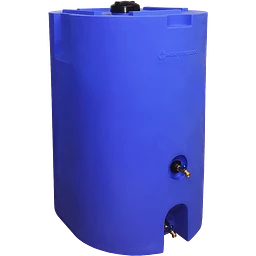
Also mentioned rarely: U.S. Environmental Protection Agency (EPA), WaterBOB, Alexapure, FoodSafety.gov, AquaPod Kit, Aquatabs, LifeStraw, Potable Aqua, Sawyer, Scepter, Sure Water, Water Preserver
- WaterBrickChatGPTGoogle AI Mode
- Centers for Disease Control and PreventionChatGPTGoogle AI Mode
- AquamiraChatGPTGoogle AI Mode
- WaterPreparedChatGPTGoogle AI Mode
- BerkeyChatGPTGoogle AI Mode
WaterBrick leads this topic, but Everbridge leads Emergency Preparedness Products and Training overall.

Questions and answers
Google AI ModeNov 6, 2026
When it comes to long-term or emergency water storage for a family, public health agencies like the Centers for Disease Control and Prevention (CDC) point to a combination of commercial bottled water and heavy-duty, food-grade storage drums as the gold standard.
The most reliable strategy depends on whether you are buying pre-packaged supplies or filling your own containers.
1. The Safest Option: Unopened Commercial Bottled Water
- Why it’s reliable: Factory-sealed, commercially bottled water is the safest and most reliable choice because the containers are sterile, hermetically sealed, and rated to prevent contamination or leaching over time.
- Maintenance: Simply observe the expiration dates printed on the commercial cases.
- Pros vs. Cons: Zero prep work required, though it can take up more physical space and cost slightly more per gallon than filling large barrels.
2. The Scalable Option: FDA-Approved Food-Grade Containers (55-Gallon Drums)
If you need to store larger quantities for a family over a longer duration, large heavy-duty containers are the practical choice.
- The Container: Use heavy-duty, BPA-free, high-density polyethylene (HDPE) plastic barrels marked as FDA-approved food-grade (often colored blue). Never use containers that previously held chemicals, fuel, or non-food liquids.
- The Water Source: If using tap water from a municipal source, it is typically pre-treated and safe to store directly. If using well water or an unchlorinated source, you may need to treat it according to public health guidelines.
- Treatment & Rotation:
- Label every container clearly with the date stored.
- If you fill your own containers from the tap, the CDC recommends replacing the water every 6 months. (Note: If you use commercial water prescribers/stabilizers like Aquatabs or unscented household bleach properly at the time of filling, rotation schedules can sometimes be extended, though 6 months is the standard baseline for home-filled tap water).
Crucial Storage Conditions
No matter which container type you choose, where you store the water dictates its safety:
- Temperature: Keep containers in a cool spot between 50°F and 70°F (10°C to 21°C).
- Sunlight: Store completely out of direct sunlight , as UV rays degrade plastic over time and encourage algae or bacterial growth.
- Isolation: Never store plastic water containers directly on bare concrete (which can transfer chemicals and moisture-driven odors) and keep them far away from household toxins like gasoline, paint thinners, or pesticides.
How Much Should a Family Store?
- Volume: At least 1 gallon per person, per day (roughly 0.5 gallon for drinking and 0.5 gallon for hygiene/cooking).
- Duration: Aim for a minimum 3-day supply , though emergency management agencies strongly recommend scaling up to a 14-day (2-week) supply per family member.
- Scale up: Increase amounts if you have pets, pregnant family members, or live in a hot climate.
If you'd like to map this out further, tell me:
- How many people (and pets) are in your household?
- Do you have space limitations (like an apartment vs. a garage/basement)?
I can help you calculate the exact volume and layout you'll need.
ChatGPTNov 6, 2026
Best method for long-term emergency water storage
For a family preparing for a natural disaster, the most reliable approach is a layered water-storage system using food-grade, sealed water containers, stored in a cool, dark location, with a backup method to purify additional water.
I would not rely on a single large water tank, bottled water, or a water filter alone. The safest preparation combines:
- Properly stored drinking water.
- A larger reserve for extended emergencies.
- A dependable water-treatment backup.
- A rotation and inspection schedule.
The goal is to have safe water available even if municipal water service is interrupted, contaminated, or unavailable for several weeks.
1. How much water should you store?
The CDC recommends at least 1 gallon per person per day and ideally a 2-week supply.
For a family of four:
3-DAY MINIMUM
12 gal
2-WEEK TARGET
56 gal
Family size 3 days 14 days 2 people 6 gal 28 gal 3 people 9 gal 42 gal 4 people 12 gal 56 gal 5 people 15 gal 70 gal 6 people 18 gal 84 gal These are minimum planning quantities. Hot weather, physical activity, illness, and pets increase requirements.
2. The best water-storage methods
I recommend combining these approaches rather than relying on just one.
A. Commercially bottled water
(Most reliable primary supply)
- Factory-sealed drinking water.
- Minimal handling and contamination risk.
- Keep it in its original packaging.
- Observe the manufacturer's expiration or use-by date.
This is the CDC's preferred emergency water source.
B. Food-grade water storage barrels
(Best for larger reserves)
- Use purpose-built, food-grade potable-water barrels.
- Choose opaque, tightly sealed containers.
- Use manufacturer-approved fittings and dispensing equipment.
- Fill with safe drinking water and follow the manufacturer's cleaning and storage instructions.
Excellent for maintaining a larger household reserve.
C. Smaller food-grade water containers
- Easier to move and dispense.
- Allow you to distribute water throughout your home.
- Reduce the risk of losing your entire supply if one container becomes contaminated.
Particularly useful as a supplement to larger barrels.
My recommendation: Keep commercially bottled water as your primary drinking reserve, larger food-grade containers as your bulk reserve, and smaller containers for daily access.
3. How to store water safely for the long term
Proper storage is just as important as the container.
Follow these CDC recommendations:
- Use FDA-approved food-grade water storage containers.
- Clean and sanitize containers before filling.
- Use safe drinking water to fill them.
- Label each container with its filling date.
- Keep containers in a cool location, ideally 50–70°F.
- Keep them away from direct sunlight.
- Keep them away from gasoline, pesticides, cleaning chemicals, and other toxic substances.
- Replace self-filled stored water every six months.
- Avoid touching the water or inside of the container when dispensing.
Never reuse containers that previously held chemicals or other toxic substances.
www.cdc.govwww.cdc.govwww.cdc.gov
4. Have a backup water-purification system
Even with 56–100 gallons stored, you should prepare for the possibility that your supply runs out.
I recommend having three backup methods.
1. Gravity-fed water filter
A good option for treating larger quantities without electricity.
Look for a reputable system with independently verified filtration claims. Check whether it removes bacteria, parasites, and viruses. Many ordinary camping filters do not remove viruses.
2. Water purification tablets
Useful as a lightweight backup when traveling or evacuating. Follow the product's instructions, including contact time. Not all tablets work against every parasite.
3. Boiling water
Boiling is one of the most dependable ways to kill disease-causing bacteria, viruses, and parasites.
Bring clear water to a rolling boil for one minute. At elevations above 6,500 feet, boil for three minutes.
Important safety warning: Neither boiling nor ordinary water filters or disinfectants necessarily remove fuel, pesticides, heavy metals, salts, or radioactive contaminants. If chemical contamination is suspected, find another water source.
5. My recommended family emergency-water setup
For a household targeting 56 gallons (four people for two weeks), I would organize it like this:
Example 56-gallon water reserve
Commercially bottled water
24 gal
Food-grade bulk storage
32 gal
Additional emergency equipment
- Gravity-fed filtration system.
- Backup purification tablets.
- Unscented household chlorine bleach suitable for water disinfection.
- Dedicated water dispensing spigot.
- Manual water pump if using large barrels.
- Water containers for evacuation.
- Water-storage inspection and rotation calendar.
6. Special considerations for California households
If you're preparing for earthquakes, wildfires, extended power outages, or infrastructure disruptions, consider:
- Secure large water containers so they cannot tip over during an earthquake.
- Keep some water outside the garage if gasoline, pesticides, or automotive chemicals are stored there.
- Don't place all your water in one location where fire, flooding, or structural damage could destroy your entire supply.
- Keep some smaller containers accessible in case you need to evacuate.
- Store water away from excessive heat, particularly during California summers.
A 55-gallon barrel weighs approximately 459 pounds when full, so make sure the floor can support it.
7. Let me help you calculate the best setup for your family
I can put together a practical long-term water-storage plan, including the number of barrels, container sizes, estimated costs, and recommended equipment.
How many people are you preparing for?
1. Family size
2. How long do you want your water supply to last?
3. Where will you store it?
4. Approximate budget
[Build my water-storage plan]
My ultimate recommendation is to prioritize safe, sealed drinking water first, food-grade bulk storage second, and independent purification capability third. That gives your family multiple layers of protection rather than depending on a single system.
For additional guidance: CDC Emergency Water Storage Guide and EPA Emergency Water Disinfection Guide.
Pages cited in this answer8
- cdc.govHow to Create an Emergency Water Supply | Water, Sanitation, and Hygiene (WASH)-related Emergencies and Outbreaks | CDC
- foodsafety.govFood Safety in a Disaster or Emergency
- cdc.govHow to Create an Emergency Water Supply | Water, Sanitation, and Hygiene (WASH)-related Emergencies and Outbreaks | CDC
- cdc.govPreparedness and Safety Messaging for Hurricanes, Flooding, and Similar Disasters, Second Edition
- cdc.govHow to Make Water Safe in an Emergency | Water, Sanitation, and Hygiene (WASH)-related Emergencies and Outbreaks | CDC
- cdc.govHow to Make Water Safe in an Emergency | Water, Sanitation, and Hygiene (WASH)-related Emergencies and Outbreaks | CDC
- cdc.govHousehold Water Treatment | Global Water, Sanitation, and Hygiene (WASH) | CDC
- epa.govEmergency Disinfection of Drinking Water | US EPA



Also asked as
- I need to know the most secure and dependable way to store water long-term for my family in the event of a natural disaster.