Data as of Sep 18, 2026 · Based on 338 AI responses from ChatGPT Search and Google AI Mode · See how Parse measures this
To address iron deficiency without the typical nausea or stomach discomfort associated with standard iron pills, choose formulations featuring chelated iron (like bisglycinate) or polysaccharide complexes. Popular options include 


Brands AI recommends here
Named in 47% of answers
Named in 46% of answers
Named in 34% of answers
Named in 33% of answers
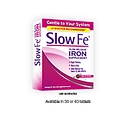
Known for a specialized formula designed to increase iron absorption while minimizing the gut irritation often linked to standard iron intake, making it a strong choice for those with sensitive digestive tracts.
Source | Citation share |
|---|---|
 Dietitians' Picks: 8 of the Best Iron Supplements for 2026https://www.healthline.com/nutrition/best-iron-supplement | 4.4% |
 How to Choose the Right Iron Supplement for Sensitive Stomach | Expert Insightshttps://prosperpharmacy.ca/iron-supplement-for-sensitive-stomach/ | 3.3% |
 Active Ironhttps://www.activeiron.com/us/health/iron-supplementation/sensitive-stomachs/ | 2.8% |
 ACCRUFeR® - Iron You’ll Actually Take | Patient Homepagehttps://www.accrufer.com/ | 2.6% |
Here Are the Top 10 Dietitian-Approved Iron Supplements for 2026https://www.livestrong.com/article/491223-the-best-iron-supplement-if-iron-upsets-your-stomach/ | 2.5% |
 11 Iron Supplements for Women Recommended by RDs in 2026https://www.everydayhealth.com/diet-nutrition-products/best-iron-supplement-for-women/ | 2.3% |
Active Ironhttps://www.activeiron.com/health/iron-supplementation/sensitive-stomachs/ | 1.9% |
 10 Best Iron Supplements for 2025: Boost Ferritin Safelyhttps://int.livhospital.com/good-iron-supplement/ | 1.9% |
Active Ironhttps://www.activeiron.com/uk/health/iron-supplementation/sensitive-stomachs/ | 1.8% |
 Which iron supplement is best? - Those Nerdy Girlshttps://thosenerdygirls.org/which-iron-supplement/ | 1.7% |
If traditional iron pills like ferrous sulfate leave you feeling nauseous, crampy, or constipated, the secret is usually switching the **form** of the iron. Standard cheap iron salts are harsh on the lining of the stomach, but newer formulations use chelated or slow-release delivery systems that are far better…
If traditional iron pills like ferrous sulfate leave you feeling nauseous, crampy, or constipated, the secret is usually switching the form of the iron. Standard cheap iron salts are harsh on the lining of the stomach, but newer formulations use chelated or slow-release delivery systems that are far better tolerated.
The gentlest and most recommended iron options for sensitive stomachs include:
To help narrow down the best choice, what dosage (mg) did your doctor recommend, and do you prefer capsules, chewables, or a liquid?

The iron supplements that are **often easiest on the stomach** are: - **Ferrous bisglycinate (iron bisglycinate/“gentle iron”)** — commonly better tolerated than standard ferrous sulfate, with fewer nausea/constipation complaints in some studies.…
The iron supplements that are often easiest on the stomach are:
Tips to reduce upset:
Avoid switching to a “gentle” iron without checking the elemental iron amount—your needed dose depends on whether you have low iron stores, anemia, pregnancy-related needs, bleeding, or another cause.
If you tell me your iron level/ferritin (if you have it), whether you’re treating anemia, and what iron pill/dose your doctor suggested, I can help compare options.
If your doctor has confirmed that you need iron, **iron bisglycinate** is often a good option when stomach upset is a concern. Evidence suggests it can be better tolerated than ferrous sulfate while providing similar effectiveness.…
If your doctor has confirmed that you need iron, iron bisglycinate is often a good option when stomach upset is a concern. Evidence suggests it can be better tolerated than ferrous sulfate while providing similar effectiveness.
A couple of practical tricks can help: taking iron after food rather than on an empty stomach may reduce stomach irritation, although absorption can be lower. Also, don't automatically add vitamin C—the newer evidence doesn't show that routine vitamin C is necessary for most people taking oral iron.
One important point: the amount of “elemental iron” matters more than the total milligrams on the front of the bottle, and the appropriate dose depends on whether you have iron deficiency alone or iron-deficiency anemia.
If you tell me your age, whether you're male/female, and your ferritin and hemoglobin numbers (if you have them), I can suggest what type and approximate elemental-iron dose would be reasonable to discuss with your doctor.
Traditional iron pills (like standard ferrous sulfate) are notorious for causing nausea, cramps, and constipation. The secret to avoiding stomach upset is switching the **type** or **delivery method** of the iron.[](https://www.organicbasicfood.com/blog/best-iron-supplements-sensitive-stomachs-gentle-iron)…
Traditional iron pills (like standard ferrous sulfate) are notorious for causing nausea, cramps, and constipation. The secret to avoiding stomach upset is switching the type or delivery method of the iron.
The gentlest and most digestible options utilize iron bisglycinate (a chelated form where iron is bound to glycine for easier absorption) or slow-release/food-based technologies.
To help narrow this down, let me know:
Traditional iron pills (like standard ferrous sulfate) are notorious for causing nausea, cramping, and constipation because the unbound iron ion irritates the stomach lining. To avoid this, look for **chelated iron (iron bisglycinate)** or **food-based/dual-source blends** , which are absorbed much more efficiently by…
Traditional iron pills (like standard ferrous sulfate) are notorious for causing nausea, cramping, and constipation because the unbound iron ion irritates the stomach lining. To avoid this, look for chelated iron (iron bisglycinate) or food-based/dual-source blends , which are absorbed much more efficiently by your body and are vastly kinder to your digestive tract.
Top-rated, stomach-friendly options widely recommended for sensitive systems include:
Tips to protect your stomach further:
If you want to narrow this down, let me know:
I can help you select the most precise dosage and format for your needs.
If your doctor has confirmed that you need iron, **the best-tolerated option is often a lower-dose iron preparation rather than simply taking a high-dose standard tablet**. - **Ferrous bisglycinate (iron bisglycinate)** — a good option to ask your doctor/pharmacist about if stomach upset is your main concern. Some…
If your doctor has confirmed that you need iron, the best-tolerated option is often a lower-dose iron preparation rather than simply taking a high-dose standard tablet.
Ask your doctor whether you can take it every other day. For some people, alternate-day dosing provides similar iron absorption with better tolerability.
Also:
I wouldn't start a high-dose iron supplement without confirming the dose your doctor wants, because excessive iron can itself cause significant GI problems and, in some circumstances, iron overload.
If you tell me your age, whether you're pregnant, and what your ferritin/hemoglobin numbers were (if you have them), I can explain which form and elemental-iron dose would typically make the most sense to discuss with your doctor.
If your doctor confirmed you need more iron, the **best-tolerated option is often a lower-dose oral iron taken once daily or every other day**, rather than simply choosing the highest-dose pill. GI side effects—especially nausea and constipation—become more common with higher doses.…
If your doctor confirmed you need more iron, the best-tolerated option is often a lower-dose oral iron taken once daily or every other day, rather than simply choosing the highest-dose pill. GI side effects—especially nausea and constipation—become more common with higher doses.
Taking iron with food can reduce stomach upset, although absorption may be somewhat lower. Avoid taking it at the same time as calcium, antacids, tea, or coffee, which can interfere with absorption.
One important point: look at the “elemental iron” amount, not just the size of the iron compound on the front of the bottle. Your doctor can tell you how many mg of elemental iron you actually need.
If you tell me your age, whether you're pregnant, and what your doctor said your hemoglobin/ferritin levels were, I can help you narrow down which type and dose is most reasonable to discuss with your doctor.
The best iron supplements for a sensitive stomach are **gentle, highly absorbable forms like iron bisglycinate (chelated iron), polysaccharide iron complex, or heme iron polypeptide** , which cause significantly less nausea and constipation than standard ferrous…
The best iron supplements for a sensitive stomach are gentle, highly absorbable forms like iron bisglycinate (chelated iron), polysaccharide iron complex, or heme iron polypeptide , which cause significantly less nausea and constipation than standard ferrous sulfate.
Standard iron salts like ferrous sulfate release free iron quickly in the digestive tract, which irritates the stomach lining. Gentle formulations bind the iron differently or use alternative delivery methods to ensure smoother digestion.
Gentle Iron Formulations
Tips to Reduce Stomach Upset
If you'd like, let me know:
I can help you choose the right dosage or discuss whether liquid options might suit you better.
If your doctor has confirmed that you need more iron, **ferrous bisglycinate** is often a good option to ask about if stomach upset is your main concern. Evidence suggests it can cause fewer GI complaints than conventional ferrous sulfate at comparable low doses.…
If your doctor has confirmed that you need more iron, ferrous bisglycinate is often a good option to ask about if stomach upset is your main concern. Evidence suggests it can cause fewer GI complaints than conventional ferrous sulfate at comparable low doses.
Rather than taking a large dose multiple times a day, once-daily or every-other-day dosing can improve absorption and may reduce nausea. Current gastroenterology guidance recommends oral iron no more than once daily, with every-other-day dosing a reasonable alternative for some people.
If iron bothers your stomach, taking it with a small amount of food can help, although absorption may be somewhat lower. Avoid taking it at the same time as calcium/dairy, tea, coffee, or antacids.
One important point: don't choose the dose based just on the number on the front of the bottle. What matters is elemental iron—different formulations contain very different amounts.
If you tell me your age/sex, your ferritin and hemoglobin numbers (if you have them), and whether constipation, nausea, or stomach pain is your main issue, I can help you narrow down which form and dose would be most reasonable to discuss with your doctor.
Traditional iron supplements (like standard ferrous sulfate) are notorious for causing nausea, cramps, and constipation because the unbound iron ions irritate the lining of the digestive tract.[](https://fortune.com/article/best-iron-supplements/)…
Traditional iron supplements (like standard ferrous sulfate) are notorious for causing nausea, cramps, and constipation because the unbound iron ions irritate the lining of the digestive tract.
If you have a sensitive stomach, the key is looking for chelated iron (ferrous bisglycinate) or food-based/slow-release complexes , which are significantly gentler on the gut while still effectively raising your iron levels.
Top Gentle Iron Options
Tips to Maximize Absorption & Minimize Upset
If you'd like, I can:
Explain the difference between heme vs. non-heme iron Share specific foods that naturally boost iron levels Help you track down the exact dosage your doctor recommended