Data as of Sep 18, 2026 · Based on 342 AI responses from ChatGPT Search and Google AI Mode · See how Parse measures this
For women needing an iron supplement that is gentle on the digestive system, 
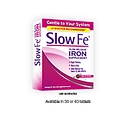
Brands AI recommends here
ThorneNamed in 53% of answers
Named in 39% of answers
Named in 37% of answers
Named in 35% of answers
Source | Citation share |
|---|---|
 Dietitians' Picks: 8 of the Best Iron Supplements for 2026https://www.healthline.com/nutrition/best-iron-supplement | 4.5% |
 The Best Iron Supplements for Sensitive Stomachshttps://www.tiktok.com/@healthwithnyrah/video/7533727092253527318 | 4.3% |
 11 Iron Supplements for Women Recommended by RDs in 2026https://www.everydayhealth.com/diet-nutrition-products/best-iron-supplement-for-women/ | 3.8% |
 Active Ironhttps://www.activeiron.com/us/health/iron-supplementation/sensitive-stomachs/ | 3.8% |
 9 Best Iron Supplements for Women, According to Experts | Voguehttps://www.vogue.com/article/best-iron-supplements | 2.9% |
Here Are the Top 10 Dietitian-Approved Iron Supplements for 2026https://www.livestrong.com/article/491223-the-best-iron-supplement-if-iron-upsets-your-stomach/ | 2.7% |
 How to Choose the Best Iron Tablets for Womenhttps://wellbeingnutrition.com/blogs/sleep-stress-cognition/how-to-choose-the-best-iron-tablets-for-women | 2.2% |
 10 Best Iron Supplements for Women: How to Choosehttps://int.livhospital.com/iron-supplements-for-women/ | 2.2% |
 What is the Best Iron Supplement for a Sensitive Stomach – Core Med Sciencehttps://coremedscience.com/blogs/wellness/what-is-the-best-iron-supplement-for-a-sensitive-stomach | 1.8% |
 Iron supplements that are gentle on the stomach (for mom)https://www.reddit.com/r/moderatelygranolamoms/comments/1kx1o7p/iron_supplements_that_are_gentle_on_the_stomach/ | 1.4% |
If you're feeling sluggish, low iron could definitely be the culprit—but traditional iron pills are notorious for causing nausea, cramps, and constipation . The secret to a happy stomach is choosing a **chelated form** (like iron bisglycinate), which is much gentler on the digestive…
If you're feeling sluggish, low iron could definitely be the culprit—but traditional iron pills are notorious for causing nausea, cramps, and constipation . The secret to a happy stomach is choosing a chelated form (like iron bisglycinate), which is much gentler on the digestive tract.
Here are the top-rated, stomach-friendly iron options favored by dietitians and experts:
Pure Encapsulations Iron Liquid Go to product viewer dialog for this item.: Ideal if you hate swallowing pills or find that solid capsules sit heavy in your stomach. Liquid formats allow you to micro-dose and are heavily recommended for sensitive stomachs.
Quick tip: Always check with your doctor and get a simple blood test (ferritin/CBC) before starting an iron supplement, as too much iron can also be harmful. Taking your supplement with a splash of orange juice helps absorption, while coffee, tea, and calcium block it.
To help narrow this down, could you tell me:
If sluggishness is your main symptom, I’d **check whether you actually have iron deficiency before starting a high-dose supplement**. Fatigue can have many causes, and unnecessary iron can cause constipation, nausea, abdominal pain, and other problems. For someone who *does* need supplemental iron and wants something…
If sluggishness is your main symptom, I’d check whether you actually have iron deficiency before starting a high-dose supplement. Fatigue can have many causes, and unnecessary iron can cause constipation, nausea, abdominal pain, and other problems.
For someone who does need supplemental iron and wants something gentler on the stomach, ferrous bisglycinate (iron bisglycinate) is a particularly reasonable form to look for. Studies suggest it can cause fewer GI side effects than conventional iron salts, while still raising iron levels.
One important distinction: the amount appropriate for treating iron deficiency is not necessarily the amount appropriate for routine supplementation. Some research in iron-deficient women suggests that larger oral doses can be better absorbed when taken on alternate days, potentially also reducing GI irritation.
If you tell me your age, whether you menstruate heavily, whether you're pregnant/postpartum, and whether you've had a recent ferritin or hemoglobin result, I can narrow down what dose/form makes sense and show you a few specific products.
Feeling sluggish is a classic sign that your iron levels might be low, which is very common for women due to monthly blood loss or increased metabolic demands. Traditional iron pills (like standard ferrous sulfate) are notorious for causing nausea and constipation, but gentle, highly absorbable formulations make a big…
Feeling sluggish is a classic sign that your iron levels might be low, which is very common for women due to monthly blood loss or increased metabolic demands. Traditional iron pills (like standard ferrous sulfate) are notorious for causing nausea and constipation, but gentle, highly absorbable formulations make a big difference.
When looking for something easy on the stomach, look for chelated iron (iron bisglycinate) , which is absorbed efficiently and far less likely to cause digestive distress.
Before starting a new supplement, it is best to confirm your iron levels with a simple blood test. To help tailor this, do you know if your sluggishness is accompanied by a diagnosed deficiency (like anemia) , or would you prefer a specific format like a capsule, liquid, or chewable?
If **stomach sensitivity** is your main concern, I’d look for **iron bisglycinate (an iron amino-acid chelate)** rather than the traditional ferrous sulfate. NIH notes that iron amino-acid chelates may cause fewer gastrointestinal side effects than ferrous/ferric salts. [Office of Dietary…
If stomach sensitivity is your main concern, I’d look for iron bisglycinate (an iron amino-acid chelate) rather than the traditional ferrous sulfate. NIH notes that iron amino-acid chelates may cause fewer gastrointestinal side effects than ferrous/ferric salts.
One important caveat: feeling sluggish doesn't necessarily mean you're iron deficient. Iron deficiency can cause fatigue and low energy, but excess iron can also be harmful. Office of Dietary Supplements Office of Dietary Supplements If this has been persistent, I'd ideally have a CBC and ferritin checked before taking a high-dose iron supplement.
If you tell me your age, whether you have periods (and whether they're heavy), whether you're pregnant, and whether you've had a recent ferritin/CBC, I can narrow this down to the most appropriate dose and a few specific gentle-on-the-stomach products.
If the goal is **iron that’s effective but easier on the stomach**, my first choice would generally be **ferrous bisglycinate** rather than the more common ferrous sulfate or ferrous fumarate. ### What I’d look for - **Form:** Ferrous bisglycinate (also called iron bisglycinate or chelated iron). Research suggests it…
If the goal is iron that’s effective but easier on the stomach, my first choice would generally be ferrous bisglycinate rather than the more common ferrous sulfate or ferrous fumarate.
If you already know you have iron-deficiency anemia, the appropriate dose can be substantially higher and should ideally be guided by your clinician and your ferritin/hemoglobin results.
If iron bothers your stomach, alternate-day dosing is worth discussing with your doctor. Studies in iron-deficient women have found that taking iron every other day can reduce GI side effects while maintaining iron repletion.
Also, iron absorption is reduced by coffee, tea, dairy/calcium, and some acid-reducing medications, so timing can matter.
One important caveat: feeling sluggish doesn't necessarily mean you're iron deficient. It's worth checking a CBC and ferritin before taking substantial amounts of iron, especially because excess iron can be harmful.
If you'd like, I can compare the best currently available iron bisglycinate supplements (including price, dose, and ingredient quality) and pick 2–3 good options for you.
Sluggishness is the absolute worst, and standard iron pills have a notorious reputation for turning your stomach upside down. If you want to boost your energy without the nausea or constipation, look for formulas that use **iron bisglycinate** (a chelated form that is significantly gentler and easier to absorb) or…
Sluggishness is the absolute worst, and standard iron pills have a notorious reputation for turning your stomach upside down. If you want to boost your energy without the nausea or constipation, look for formulas that use iron bisglycinate (a chelated form that is significantly gentler and easier to absorb) or real-food/liquid blends.
Top-rated, stomach-friendly iron options for women include:
Tip: Always check in with a doctor for a quick blood test (like a ferritin check) before starting iron, just to make sure low iron is actually the culprit behind your fatigue!
To help me narrow this down or give you more tailored advice, tell me:
No sources cited
The **best and most gentle iron form for a sensitive stomach is iron bisglycinate (chelated iron)** , as it is absorbed efficiently and is far less likely to cause nausea, cramping, or constipation than traditional ferrous sulfate.[](https://www.joinmidi.com/post/best-iron-supplement-for-women)…
The best and most gentle iron form for a sensitive stomach is iron bisglycinate (chelated iron) , as it is absorbed efficiently and is far less likely to cause nausea, cramping, or constipation than traditional ferrous sulfate.
Gentle Iron Forms and Options
Tips for Better Absorption and Comfort
Before starting a new supplement, it is best to confirm your iron levels with a blood test. Would you like help finding a local clinic or discussing symptoms with a healthcare provider?
Feeling sluggish can have many causes, but low iron is a common one—especially for women with heavy periods, low iron intake, pregnancy, endurance training, or a history of low ferritin. If you suspect iron deficiency, it’s worth checking **ferritin and a CBC** with a healthcare professional before taking high-dose…
Feeling sluggish can have many causes, but low iron is a common one—especially for women with heavy periods, low iron intake, pregnancy, endurance training, or a history of low ferritin. If you suspect iron deficiency, it’s worth checking ferritin and a CBC with a healthcare professional before taking high-dose iron, because too much iron can also be harmful.
For an iron supplement that’s easier on the stomach, I’d generally look first at ferrous bisglycinate (also called iron bisglycinate/chelated iron). It tends to cause fewer GI issues (like constipation and nausea) than traditional ferrous sulfate for many people while still being well absorbed.
A couple of questions would help narrow down the best choice:
Feeling sluggish can be a major drain, but before jumping into supplementation, it's wise to confirm low iron with a ferritin blood test via your doctor. If you do need a boost, traditional iron salts (like ferrous sulfate) are notorious for causing nausea and…
Feeling sluggish can be a major drain, but before jumping into supplementation, it's wise to confirm low iron with a ferritin blood test via your doctor. If you do need a boost, traditional iron salts (like ferrous sulfate) are notorious for causing nausea and constipation.
The secret to a stomach-friendly option lies in the form of iron used. Look for iron bisglycinate (a chelated iron bound to amino acids) or ferrous polysaccharide complex , which are absorbed efficiently while drastically cutting down on digestive distress.
Top Gentle Iron Recommendations
Tips for Better Absorption & Comfort
If you'd like, let me know:
If sluggishness is making you think about iron, **I’d avoid choosing a high-dose iron supplement blindly**. Fatigue can come from iron deficiency, but also from many other causes, and too much iron can be harmful. A CBC and **ferritin** blood test are useful ways to check whether you actually need iron. [Office of…
If sluggishness is making you think about iron, I’d avoid choosing a high-dose iron supplement blindly. Fatigue can come from iron deficiency, but also from many other causes, and too much iron can be harmful. A CBC and ferritin blood test are useful ways to check whether you actually need iron.
If iron deficiency is confirmed, ferrous bisglycinate (iron bisglycinate) is one of the forms I’d look for. Evidence suggests iron amino-acid chelates such as bisglycinate may cause fewer GI problems than conventional iron salts, and a recent randomized study in women found 25 mg/day of ferrous bisglycinate had fewer GI complaints than equivalent doses of ferrous sulfate or fumarate.
When shopping, look for:
One important point: the amount listed as “elemental iron” is what matters—not the total weight of the iron compound.
If you tell me your age, whether you still have periods/heavy periods, whether you've had your ferritin or hemoglobin checked, and whether constipation or nausea is your bigger concern, I can narrow this down to 2–3 specific supplements that are currently available and compare their doses and ingredients.