Data as of Sep 18, 2026 · Based on 52 AI responses from ChatGPT Search and Google AI Mode · See how Parse measures this
Your brand can be here too.
Source | Citation share |
|---|---|
 Artificial Intelligence-Enabled Medical Devices | FDAhttps://www.fda.gov/medical-devices/software-medical-device-samd/artificial-intelligence-enabled-medical-devices | 2.6% |
 Artificial intelligence-driven transformative applications in disease diagnosis technology - PMChttps://pmc.ncbi.nlm.nih.gov/articles/PMC12558038/ | 2.1% |
AI-Powered Tools for Early Disease Detection and Prevention ...https://www.infullhealth.org/index.php/blog/ai-powered-tools-for-early-disease-detection-and-prevention-in-underserved-communities | 1.6% |
FDA Clears First Blood Test Used in Diagnosing Alzheimer’s Disease | FDAhttps://www.fda.gov/news-events/press-announcements/fda-clears-first-blood-test-used-diagnosing-alzheimers-disease | 1.3% |
 AI Medical Imaging in 2026: Best Radiology AI Tools, FDA ...https://pinggy.io/blog/ai_medical_imaging_diagnostics_2026/ | 1.1% |
 10 best AI tools in healthcare to improve patient care in 2026https://www.prezent.ai/blog/ai-tools-in-healthcare | 1.1% |
 AI on the Pulse: Real-Time Health Anomaly Detection with Wearable and Ambient Intelligencehttps://arxiv.org/abs/2508.03436 | 1.0% |
 Mayo Clinic uses AI to achieve a breakthrough in ...https://www.youtube.com/watch | 1.0% |
AI-driven biomarker discovery: enhancing precision in cancer ... - PMChttps://pmc.ncbi.nlm.nih.gov/articles/PMC11906928/ | 0.8% |
Artificial intelligence in healthcare and medicine: clinical applications, therapeutic advances, and future perspectives - PMChttps://pmc.ncbi.nlm.nih.gov/articles/PMC12455834/ | 0.8% |
AI diagnostic tools for **early detection** are developing fastest in imaging, but the “strongest” choice depends heavily on the disease area, the signal type, and whether the goal is **screening**, **triage**, **risk prediction**, or **diagnosis support**. There is no single AI system that is best across all imaging,…
AI diagnostic tools for early detection are developing fastest in imaging, but the “strongest” choice depends heavily on the disease area, the signal type, and whether the goal is screening, triage, risk prediction, or diagnosis support. There is no single AI system that is best across all imaging, blood, and wearable data. Regulatory clearance, clinical validation, and integration into care workflows matter as much as model accuracy.
Here are some of the leading categories and examples:
Imaging has the largest number of regulated AI diagnostic tools. The FDA’s AI-enabled device list contains a large concentration of radiology products, reflecting how far imaging AI has progressed compared with many other areas.
| Area | Examples of strong AI tools | What they help detect |
|---|---|---|
| Brain CT/MRI | Aidoc, Viz.ai, RapidAI | Stroke, bleeding, vascular emergencies |
| Lung imaging | Lunit, Qure.ai, Optellum | Lung nodules, chest X-ray abnormalities, cancer risk assessment |
| Breast imaging | Lunit, iCAD | Mammography support and breast cancer detection |
| Cardiac imaging | HeartFlow, Cleerly | Coronary plaque and cardiovascular risk assessment |
| Digital pathology | PathAI, Paige | Cancer tissue analysis and biomarker detection |
AI Health IndexWhere imaging AI is strongest today: finding subtle abnormalities on scans that humans may miss, prioritizing urgent cases, and quantifying disease burden.
Blood-based AI is promising but generally less mature than imaging for routine early detection.
Examples:
Strengths:
Limitations:
Wearables are strongest for detecting changes over time rather than diagnosing many diseases outright.
Examples:
Common uses:
Limitations:
| Condition | AI approach |
|---|---|
| Cancer | Imaging + blood biomarkers + pathology AI |
| Heart disease | ECG AI + coronary imaging + wearable monitoring |
| Stroke | CT/MRI triage AI |
| Alzheimer’s and neurological disease | Brain imaging + digital biomarkers |
| Sepsis | Hospital monitoring data + predictive models |
The strongest systems usually have:
A tool that detects a signal earlier is not automatically a tool that improves health outcomes; the follow-up pathway matters.
If you mean for personal health monitoring, hospital use, or specific diseases (cancer, heart disease, Alzheimer’s, etc.), the strongest options differ substantially.
A tool that detects a signal earlier is not automatically a tool that improves health outcomes; the follow-up pathway matters.
If you mean for personal health monitoring, hospital use, or specific diseases (cancer, heart disease, Alzheimer’s, etc.), the strongest options differ substantially.
Evaluating the "strongest" diagnostic AI tools depends heavily on the medical modality. The landscape spans heavily regulated clinical environments (imaging and multi-omics blood tests) and consumer-adjacent preventive health (wearables). ### 1. Medical Imaging (Radiology & Pathology) Imaging is currently the most…
Evaluating the "strongest" diagnostic AI tools depends heavily on the medical modality. The landscape spans heavily regulated clinical environments (imaging and multi-omics blood tests) and consumer-adjacent preventive health (wearables).
Imaging is currently the most mature and clinically validated domain for diagnostic AI, with several heavy hitters dominating early detection:
AI integration into blood-based molecular diagnostics is shifting from single-marker tests to complex genomic and proteomic sequencing:
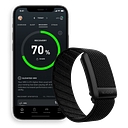
Wearable tech is evolving from basic fitness tracking into early-warning anomaly detection, though these tools generally act as triage or lifestyle-trend monitors rather than definitive diagnostic medical devices:
If you're looking into this for a specific use case, tell me:
I can narrow down the exact validation data or tools that fit your goals.
Artificial intelligence in diagnostics is categorized by the type of biological input it processes. The strongest and most clinically validated AI tools span three distinct diagnostic frontiers: **medical imaging (radiology/pathology)**, **blood/molecular liquid biopsies** , and **wearable/continuous physiological…
Artificial intelligence in diagnostics is categorized by the type of biological input it processes. The strongest and most clinically validated AI tools span three distinct diagnostic frontiers: medical imaging (radiology/pathology), blood/molecular liquid biopsies , and wearable/continuous physiological signals.
Imaging commands the largest share of regulatory clearances (such as FDA authorizations) because deep-learning convolutional neural networks excel at pixel-level pattern recognition.
Using cell-free DNA (cfDNA), methylation patterns, and proteomics, AI blood tests analyze molecular signatures to find disease long before physical symptoms or conventional single-organ screenings can.
Wearable AI focuses on time-series data, picking up microscopic, continuous anomalies in heart rate variability (HRV), photoplethysmography (PPG), and electrophysiology.
If you'd like to narrow this down, let me know:
**Strongest today:** AI-assisted **medical imaging** has the most mature clinical evidence; **wearables** are strongest for continuous cardiac monitoring; AI **blood tests** are promising but generally less clinically established. - **Imaging:** FDA-authorized AI tools for mammography, CT, MRI and X-ray can flag…
Strongest today: AI-assisted medical imaging has the most mature clinical evidence; wearables are strongest for continuous cardiac monitoring; AI blood tests are promising but generally less clinically established.
For broad early-disease detection, imaging > wearables > blood-based AI in current clinical maturity.
Artificial intelligence in diagnostics is most mature and impactful when categorized by data modality. The strongest and most clinically validated AI tools focus on three primary frontiers: **medical imaging**, **blood-based multi-cancer early detection** , and **wearable/biometric signals**. ### 1. Medical Imaging…
Artificial intelligence in diagnostics is most mature and impactful when categorized by data modality. The strongest and most clinically validated AI tools focus on three primary frontiers: medical imaging, blood-based multi-cancer early detection , and wearable/biometric signals.
Imaging represents the largest share of FDA-cleared and clinically deployed diagnostic AI. These tools excel at pattern recognition, spotting microscopic or subtle pre-symptomatic shifts.
Liquid biopsy platforms integrated with machine learning algorithms are transforming blood screening by analyzing cell-free DNA (cfDNA) methylation patterns shed by tumors.
Consumer and medical-grade wearables use AI to spot longitudinal deviations in baseline physiology (heart rate, heart rate variability [HRV], SpO2, and skin temperature).
If you're researching a specific condition or use-case, let me know:
I can narrow down the exact landscape you're exploring.
If by **“strongest” you mean the best-supported tools that can detect disease earlier than symptoms would otherwise prompt evaluation**, the answer is quite different by modality. As of 2026, **AI imaging is the most mature**, while blood-based multi-cancer detection and wearable “early warning” systems are promising…
If by “strongest” you mean the best-supported tools that can detect disease earlier than symptoms would otherwise prompt evaluation, the answer is quite different by modality. As of 2026, AI imaging is the most mature, while blood-based multi-cancer detection and wearable “early warning” systems are promising but narrower or less definitive.
AI is particularly effective when it can analyze large numbers of images and highlight subtle abnormalities for a clinician.
My take: If you already have clinically indicated imaging, AI-assisted interpretation is probably the most useful and validated form of diagnostic AI today. Importantly, these systems generally assist rather than replace the radiologist; FDA's classification explicitly describes the clinical user as making the primary diagnostic/management decisions.
Blood-based AI/molecular diagnostics are potentially much more powerful for presymptomatic disease, particularly cancer.
One important example already FDA-approved is Guardant Shield. It analyzes circulating DNA/molecular signals in blood for colorectal-cancer screening in average-risk adults ≥45. A positive test requires colonoscopy; it isn't a replacement for colonoscopy.
There are also increasingly sophisticated liquid-biopsy platforms such as Guardant360, but these are primarily used for characterizing known cancers and guiding treatment, rather than general-population early detection.
The exciting category is multi-cancer early detection (MCED)—blood tests using combinations of methylation, fragmentation, mutations, proteins and machine learning to search for signals from multiple cancers simultaneously. These are scientifically promising, but I would not yet put them in the same evidence category as established cancer screening programs. The key unanswered question isn't simply “can the AI detect cancer?” but whether finding cancer earlier actually reduces mortality without excessive false positives and unnecessary procedures.
Wearables are strongest when the disease produces a measurable physiological change over time.
The clearest success is atrial fibrillation (AF):
The FDA also maintains a specific database of authorized wearable/sensor-based medical devices, including smartwatches, patches, rings and bands.
Wearables are also expanding into sleep apnea, glucose monitoring, Parkinsonian movement, cardiac abnormalities and respiratory monitoring. But these signals should generally be viewed as early-warning/triage, not definitive diagnosis.
| Modality | Early detection potential | Evidence today | Best use |
|---|---|---|---|
| AI medical imaging | ⭐⭐⭐⭐½ | ⭐⭐⭐⭐⭐ | Cancer, stroke, cardiovascular disease |
| Targeted molecular blood tests | ⭐⭐⭐⭐ | ⭐⭐⭐⭐½ | Specific cancers/disease biomarkers |
| Wearable ECG/physiology AI | ⭐⭐⭐½ | ⭐⭐⭐⭐½ | AF and continuous cardiac monitoring |
| Multi-cancer blood AI | ⭐⭐⭐⭐⭐ potentially | ⭐⭐½–⭐⭐⭐ | Future broad cancer screening |
| General “AI health score” apps | ⭐⭐ | ⭐⭐ | Risk estimation, not diagnosis |
There are really three different kinds of “early detection”:
If you're asking because you're considering which technologies are worth actually using personally, I can also give you a shortlist of the 10 strongest commercially available tools in 2026, separated into cancer, heart disease, neurological disease, metabolic disease, and general preventive screening, including which are FDA-approved versus still experimental.
| Modality | Early detection potential | Evidence today | Best use |
|---|---|---|---|
| AI medical imaging | ⭐⭐⭐⭐½ | ⭐⭐⭐⭐⭐ | Cancer, stroke, cardiovascular disease |
| Targeted molecular blood tests | ⭐⭐⭐⭐ | ⭐⭐⭐⭐½ | Specific cancers/disease biomarkers |
| Wearable ECG/physiology AI | ⭐⭐⭐½ | ⭐⭐⭐⭐½ | AF and continuous cardiac monitoring |
| Multi-cancer blood AI | ⭐⭐⭐⭐⭐ potentially | ⭐⭐½–⭐⭐⭐ | Future broad cancer screening |
| General “AI health score” apps | ⭐⭐ | ⭐⭐ | Risk estimation, not diagnosis |
There are really three different kinds of “early detection”:
If you're asking because you're considering which technologies are worth actually using personally, I can also give you a shortlist of the 10 strongest commercially available tools in 2026, separated into cancer, heart disease, neurological disease, metabolic disease, and general preventive screening, including which are FDA-approved versus still experimental.
Wearables are also expanding into sleep apnea, glucose monitoring, Parkinsonian movement, cardiac abnormalities and respiratory monitoring. But these signals should generally be viewed as early-warning/triage, not definitive diagnosis.
AI diagnostic tools are strongest today when they **augment clinical screening** rather than replace physicians. The leaders differ by data type: imaging AI is the most mature, blood-based AI is rapidly advancing in oncology and precision medicine, and wearable AI is strongest for continuous monitoring and early risk…
AI diagnostic tools are strongest today when they augment clinical screening rather than replace physicians. The leaders differ by data type: imaging AI is the most mature, blood-based AI is rapidly advancing in oncology and precision medicine, and wearable AI is strongest for continuous monitoring and early risk signals. The FDA maintains a list of AI-enabled medical devices that have gone through applicable premarket review, which is useful for separating regulated clinical tools from research-only systems.
Imaging is where AI has the strongest track record because algorithms can analyze large volumes of scans for subtle patterns humans may miss.
Leading areas:
Cancer screening
Breast cancer detection: - Lunit — mammography and oncology AI tools.
ScreenPoint Medical — known for Transpara breast imaging AI.
Hologic — mammography systems incorporating AI detection.
Lung cancer: - AI-assisted CT nodule detection and lung screening systems are among the most established uses.
Emergency detection
Stroke, brain hemorrhage, pulmonary embolism, and cardiac imaging triage are areas where AI can flag urgent findings quickly.
Aidoc and Viz.ai are examples of companies focused on acute-care imaging workflows.
Radiology workflow
AI tools can prioritize scans, measure lesions, compare follow-up images, and reduce reporting workload.
Important caveat: FDA clearance applies to a specific product and intended use, not an entire company.
Best current use cases: ✅ mammography screening ✅ lung CT screening ✅ stroke detection ✅ fracture detection ✅ cardiac imaging analysis
Blood-based AI is especially promising because it can detect molecular signals before structural changes appear on imaging.
Leading approaches:
Multi-cancer early detection (MCED)
GRAIL — develops blood tests using DNA methylation patterns to look for cancer signals across multiple cancer types.
Circulating tumor DNA (ctDNA)
Detects tiny amounts of tumor DNA in blood.
Used for: - detecting residual cancer after treatment
monitoring recurrence risk
guiding therapy decisions
Guardant Health, Natera, and Tempus AI are major players in this area.
AI-assisted pathology/genomics
AI combines lab results, sequencing, imaging, and patient history to identify patterns.
Best current use cases: ✅ cancer recurrence monitoring ✅ precision oncology ✅ inherited disease risk analysis ⚠️ broad population cancer screening is promising but still being validated
Wearables are less about diagnosing a disease instantly and more about detecting changes from a person's baseline.
Strong areas:
Heart rhythm
Detecting atrial fibrillation and irregular rhythms from ECG-capable wearables.
Apple and AliveCor have widely used ECG-based monitoring products.
Sleep and recovery
Devices track: - heart rate variability
sleep stages
respiratory patterns
activity changes
Chronic disease monitoring
AI can identify trends suggesting worsening heart failure, metabolic changes, or declining fitness.
Examples:
Best current use cases: ✅ atrial fibrillation screening ✅ sleep monitoring ✅ fitness/recovery trends ✅ remote patient monitoring
| Rank | Technology | Current strength | Best examples |
|---|---|---|---|
| 1 | Imaging AI | Most clinically validated | Cancer imaging, stroke, radiology triage |
| 2 | Blood-test AI | Highest future potential | Cancer detection, genomics, liquid biopsy |
| 3 | Wearable AI | Best for continuous monitoring | ECG, sleep, chronic disease trends |
A future high-performance system will likely combine:
Wearable signals → periodic blood biomarkers → AI interpretation → targeted imaging
For example:
No single AI tool currently catches all diseases early; the strongest approach is a layered screening strategy matched to the person's age, risks, and symptoms.
| Rank | Technology | Current strength | Best examples |
|---|---|---|---|
| 1 | Imaging AI | Most clinically validated | Cancer imaging, stroke, radiology triage |
| 2 | Blood-test AI | Highest future potential | Cancer detection, genomics, liquid biopsy |
| 3 | Wearable AI | Best for continuous monitoring | ECG, sleep, chronic disease trends |
A future high-performance system will likely combine:
Wearable signals → periodic blood biomarkers → AI interpretation → targeted imaging
For example:
No single AI tool currently catches all diseases early; the strongest approach is a layered screening strategy matched to the person's age, risks, and symptoms.
Diagnostic artificial intelligence tools span several modalities, with radiology and medical imaging currently dominating regulatory clearances and clinical deployment. The strongest and most widely recognized tools are categorized below by their diagnostic…
Diagnostic artificial intelligence tools span several modalities, with radiology and medical imaging currently dominating regulatory clearances and clinical deployment. The strongest and most widely recognized tools are categorized below by their diagnostic modality:
Radiology accounts for over 75% of FDA-cleared AI algorithms, proving exceptionally strong in automated pattern recognition for early structural anomalies.
AI applied to molecular diagnostics—particularly cell-free DNA (cfDNA) methylation and proteomics—targets multi-cancer and organ-specific early detection.
Wearable AI focuses heavily on passive, longitudinal data collection to catch functional deviations before acute events occur.
If you're looking into a specific condition (like cardiovascular disease or a particular type of cancer ), let me know and I can detail the accuracy metrics or regulatory status for that specific use case.
If by **“strongest” you mean the best combination of clinical evidence, regulatory status, and demonstrated ability to detect disease earlier—not merely impressive AI accuracy**—the landscape is quite uneven. ### My current shortlist Modality | Strong candidates | Best at | Evidence strength
If by “strongest” you mean the best combination of clinical evidence, regulatory status, and demonstrated ability to detect disease earlier—not merely impressive AI accuracy—the landscape is quite uneven.
| Modality | Strong candidates | Best at | Evidence strength |
|---|---|---|---|
| Medical imaging | Aidoc, Viz.ai, Annalise AI, Hologic Genius AI, Cleerly | Stroke, lung/cancer findings, mammography, cardiovascular disease | Strongest overall |
| Blood tests | GRAIL Galleri, OncoSeek | Multi-cancer signal detection | Promising, but not yet equivalent to conventional screening |
| Wearables/ECG | Apple Watch, AliveCor Kardia, Samsung Galaxy Watch | AFib/arrhythmia detection | Strong for specific cardiac conditions |
| AI blood/clinical biomarkers | Inflammatix TriVerity and similar systems | Infection/inflammation classification | Emerging |
The FDA's current AI-device database contains a very large and rapidly expanding number of authorized AI-enabled devices, with radiology by far the most heavily represented category.
For actual clinical early detection, I'd put imaging AI ahead of blood-based and wearable AI.
These aren't necessarily “AI doctors.” They're generally decision-support systems that flag abnormalities or quantify disease for clinicians. That's an important distinction.
The FDA's current list includes products such as Aidoc BriefCase, Annalise Enterprise, Hologic Genius AI Detection, Cleerly LABS, Brainomix stroke tools, InferRead Lung CT.AI and numerous other imaging systems.
If I had to pick the most mature area today: medical imaging AI wins.
The particularly interesting technology is multi-cancer early detection (MCED)—using circulating DNA/proteins plus machine learning to look for cancer signals before symptoms appear.
GRAIL's Galleri analyzes DNA methylation patterns in cell-free DNA and uses machine learning to identify a cancer signal and predict its likely tissue of origin. It is available in the U.S. as a laboratory-developed test, but it is not a replacement for established cancer screening.
Its interesting advantage is breadth: a single blood draw can look for signals associated with many cancers.
However, there's an important caveat: detecting a cancer signal isn't the same as proving that screening improves mortality. False positives can also lead to substantial follow-up testing.
OncoSeek is another AI-assisted blood-based MCED approach combining protein tumor markers with AI. A 2025 validation involving 15,122 participants reported 58.4% sensitivity and 92.0% specificity overall; sensitivity was only 42.8% for stage-I disease.
That's promising—but it also illustrates why I'd not yet rank MCED blood tests alongside established mammography, colonoscopy/FIT, cervical screening, or low-dose CT for people who qualify for those tests.
Verdict: enormous potential, but still an emerging screening paradigm rather than a universal “early cancer detector.”
Wearables are strongest when the disease produces a continuous physiological signal, particularly cardiac electrical activity.
Apple's Watch is probably the most compelling consumer example.
For atrial fibrillation, the evidence has become considerably stronger. A 2026 randomized trial in high-risk adults found new AF in 9.6% of smartwatch-monitored participants versus 2.3% with standard care, demonstrating that prolonged smartwatch monitoring can substantially increase AF detection.
Systematic evidence also finds high diagnostic performance for smartwatch AF detection overall, although performance varies considerably by device, algorithm and population.
AliveCor's Kardia devices are particularly interesting because they're essentially portable ECG systems, rather than relying only on passive pulse sensing.
For someone specifically concerned about intermittent arrhythmias, I'd consider a medically oriented ECG device more diagnostically useful than a smartwatch that merely monitors heart rate.
Wearables are not general-purpose early-disease detectors. They are much better at answering:
“Is there evidence of an abnormal heart rhythm?” than:
“Am I developing cancer, Alzheimer's, diabetes, or another disease?” A 2026 review specifically notes that evidence becomes weaker as you move from wearable detection → notification → confirmed diagnosis → improved clinical outcomes.
If your objective is finding serious disease as early as realistically possible today:
1. AI-assisted medical imaging Best clinical maturity and strongest disease-specific applications.
2. AI-assisted ECG/wearable monitoring Excellent for AFib and certain cardiovascular abnormalities; particularly valuable because it can monitor continuously.
3. AI-enhanced blood/MCED testing Potentially revolutionary because it could search for disease before symptoms, but the evidence for population-wide outcome improvement is much less mature.
4. General-purpose consumer “health AI” Interesting for risk prediction and trend detection, but I'd be considerably more skeptical of claims that it can diagnose disease early.
One particularly important distinction: the best AI isn't necessarily the one with the highest sensitivity in a study. For screening, specificity, false-positive burden, prospective validation, impact on clinical outcomes, regulatory clearance, and integration into a real diagnostic pathway matter enormously.
If you tell me which diseases you're most interested in (cancer, heart disease, Alzheimer's, diabetes, etc.), I can give you a ranked top 5 AI tools/tests for early detection of each, including sensitivity/specificity, FDA status, approximate cost, and whether an ordinary person can actually access them.
Artificial intelligence in diagnostics has evolved rapidly, moving from single-task anomaly flags to comprehensive multimodal platforms. The strongest diagnostic AI tools are categorized below by their primary modality: **medical imaging**, **blood tests/liquid biopsies** , and **wearable signals**. 1. Medical Imaging…
Artificial intelligence in diagnostics has evolved rapidly, moving from single-task anomaly flags to comprehensive multimodal platforms. The strongest diagnostic AI tools are categorized below by their primary modality: medical imaging, blood tests/liquid biopsies , and wearable signals.
Imaging AI specializes in pixel-level pattern recognition, acute triage, and incidental finding discovery.
Blood-based early detection relies on finding circulating tumor DNA (ctDNA), protein biomarkers, or multi-omic signatures.
Wearables leverage continuous physiological tracking (photoplethysmography, skin temperature, and ECG) to catch deviations from baseline health.
If you're looking into a specific application, let me know:
I can narrow down the exact clinical validation data and regulatory status for you.