What's the Best Smart-home Hub to C… AI recommendations | Parse
What's the best smart-home hub to control devices from different brands?
Data as of Sep 21, 2026 · Based on 51 AI responses from ChatGPT Search and Google AI Mode · See how Parse measures this
Sources AI cites for this prompt
Source
Citation share
We've tested the best smart home hubs available in 2026 and these are the 5 I recommend right now | Tom's Guidehttps://www.tomsguide.com/us/best-smart-home-hubs%2Creview-3200.html
4%
5 Best Smart Home Hubs in 2026: Matter and Thread Comparedhttps://the-gadgeteer.com/2026/06/13/best-smart-home-hubs-2026/
3%
What's the best smart home hub you've actually used long ... - Reddithttps://www.reddit.com/r/smarthome/comments/1r02vke/whats_the_best_smart_home_hub_youve_actually_used/
2%
Top 10 Smart Home Hubs in 2024https://www.miamiherald.com/guides/electronics-tech/smart-home-devices/best-smart-home-hub/
2%
Best Smart Home Hubs 2026 – Top 4 Smart Hubs Reviewedhttps://www.youtube.com/watch
2%
Best Smart Home Hubs 2026https://www.youtube.com/watch
2%
Best Hub for Home Automation in 2026 - EverydayHomeComforthttps://everydayhomecomfort.com/hub-for-home-automation-2025/
1%
Best Smart Home Hub 2026: Definitive Best Guide - VettedHomeGear.comhttps://vettedhomegear.com/best-smart-home-hub-2026/
1%
The Best Smart Home Devices of 2026https://www.security.org/smart-home/best/
1%
Smart Home Guide 2026 - What to Buy, Platform Updates, ...https://www.youtube.com/watch
For a mixed-brand smart home, I’d pick the Aqara Hub M3. It combines Matter, Thread, Zigbee, and Bluetooth, and can expose compatible devices to Apple Home, Google Home, Alexa, and SmartThings.
Aqara Hub M3 - $159.99 (Aqara LLC)
Best for maximum flexibility: Aqara Hub M3
Best for power users:Home Assistant
Best for Samsung/Z-Wave devices: Aeotec Smart Home Hub
Best if you're all-in on Apple: HomePod mini
The key is Matter + Thread, which increasingly lets devices from different manufacturers work together without proprietary bridges.
When you want to control devices from different brands without being locked into a single corporate ecosystem, the "best" hub depends entirely on how deep you want to go into tech tinkering versus plug-and-play convenience.
Thanks to the universal Matter and Thread standards, cross-brand compatibility is easier than ever, leading to a few clear frontrunners.
1. Best for Power Users & Ultimate Control: Home Assistant
If you have devices from 10 different obscure brands and want them all to talk to each other flawlessly with zero cloud dependence, Home Assistant is the gold standard.
Why it’s the best: It integrates with over 1,000 different brands and local services. It doesn't care if a light is from Philips Hue, a random bargain-bin brand, or an Apple/Google ecosystem.
The catch: It is run on local hardware (like a Raspberry Pi, an old PC, or a dedicated Home Assistant Green / Yellow device) and has a steep learning curve. It requires some setup and tinkering.
2. Best Brand-Agnostic Plug-and-Play Hub: Samsung SmartThings (via Aeotec Hub)
If you want something commercial that bridges everything out of the box without coding or local server setups, SmartThings is remarkably versatile.
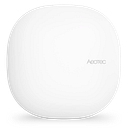
Why it’s the best: The Aeotec Smart Home Hub supports Zigbee, Z-Wave, Matter, and Thread , making it a hardware powerhouse that bridges older wireless protocols and modern standards under one roof. It handles multi-brand automation smoothly through the SmartThings app.
The catch: While it plays nice with almost everyone, heavy automations can feel slightly more restrictive compared to Home Assistant.
3. Best Multi-Protocol Hardware Hub: Aqara Hub M3
Aqara has evolved past just supporting its own sensors into making a stellar universal controller.
Why it’s the best: The Aqara Hub M3 functions as a Matter Controller, a Thread Border Router, and a Zigbee 3.0 hub, while also featuring a 360-degree infrared (IR) blaster. It can bridge traditional non-smart IR appliances (like standard AC units and dumb TVs) and expose them as Matter devices to Apple Home, Google Home, or Alexa.
The catch: It shines brightest if you use Aqara accessories or need a robust local bridge for mixed protocols, though it handles third-party Matter integration well.
4. Best for Everyday Consumers (The Big Tech Ecosystems)
If you already use a specific smartphone ecosystem, the native controllers work surprisingly well for multi-brand setups as long as you buy "Matter-certified" accessories:
Apple Home (via Apple TV 4K or HomePod Mini): Best for privacy, speed, and local processing, but you are limited to accessories that explicitly support Matter or Apple HomeKit.
Google Home (via Nest Hub): Excellent voice recognition and broad third-party support, turning a kitchen smart display into a visual control center.
Amazon Alexa (via Echo Hub or Echo Show): Has the largest database of compatible third-party budget devices, though the interface can occasionally feel cluttered.
To help narrow down the best choice for you, tell me:
What brands or types of devices (lights, locks, cameras, sensors) do you already own?
Do you prefer a simple mobile app or are you comfortable with a DIY local server?
If your goal is one hub/app that can handle devices from lots of different brands, I’d narrow it to three platforms:
Home Assistant — maximum compatibility and customization. It supports a very large range of integrations and can combine Matter, Zigbee, Z-Wave, Wi-Fi and other ecosystems, with local automation. The tradeoff is a noticeably steeper setup and learning curve.
Hubitat Elevation C-8 Pro — a strong middle ground. It emphasizes local processing and supports Zigbee, Z-Wave and Matter, so automations can continue operating even if your internet connection goes down.
Samsung SmartThings / Aeotec Smart Home Hub — generally simpler for a mainstream household while still supporting a broad mixture of brands and protocols. It's a particularly natural choice if you already use Samsung devices.
The key question: what devices do you already own?
If you tell me the brands/models you have (e.g. Philips Hue, Ring, Nest, Lutron, Ecobee, Sonos, Aqara, TP-Link/Kasa, Yale, etc.) and whether you use iPhone or Android, I can tell you which hub will actually give you the best cross-brand compatibility—and which devices, if any, would still need their own bridge.
If your goal is one system that can control devices from lots of different brands, my top pick in 2026 is Home Assistant Green—especially if you're willing to spend a little time setting it up. Independent 2026 comparisons consistently put Home Assistant at or near the top for mixed-brand compatibility and local control.
Home Assistant Green - $380.95 (VXB Bearings)
Aeotec Smart Home Hub - $149.99 (Aeotec - Smart Matters)
Aqara Hub M3 - $159.99 (Aqara LLC)
Homey Pro - $359.95 (ameriDroid)
My picks
🥇 Home Assistant Green — best overall: Extremely flexible and largely local, with integrations for a huge range of brands. The catch is that Zigbee, Thread, and Z-Wave may require additional USB radios.
🥈 Aeotec Smart Home Hub — best plug-and-play choice: Excellent if you want something easier. It supports Zigbee + Z-Wave + Matter, making it particularly good for mixing newer Matter devices with older smart-home gear.
🥉 Homey Pro — best premium option: A very capable all-in-one hub supporting Matter, Thread, Zigbee, Z-Wave and other protocols, with local automation. It's expensive, though.
Aqara Hub M3 — best if you use lots of Aqara: Supports Matter, Thread, Zigbee, Bluetooth and local automation, while also working with major ecosystems such as Apple Home, Alexa and Google Home.
What I'd buy
For maximum flexibility: Home Assistant Green.
For "I just want it to work": Aeotec Smart Home Hub.
For maximum protocols with minimal tinkering: Homey Pro.
One important point: Matter is helping enormously, but it doesn't magically make every feature of every device compatible. Older Zigbee/Z-Wave devices can still make the choice of hub important.
If you tell me which brands/devices you already own (e.g. Philips Hue, Ring, Nest, Lutron, TP-Link, Aqara, Yale, Sonos), I can tell you which hub I'd choose specifically for your setup.
The "best" smart-home hub for mixing brands depends entirely on your technical comfort level and whether you want a plug-and-play consumer ecosystem or absolute, infinite customization.
The top options on the market bridge multi-brand devices seamlessly through universal standards like Matter and Thread , categorized by user type:
Home Assistant (Best for Power Users & Privacy): Running on dedicated hardware like a Home Assistant Yellow or a Raspberry Pi , this open-source platform is the undisputed king of multi-brand control . It natively integrates with over 1,000 brands and local services, meaning your Philips Hue lights, random no-name smart plugs, local Zigbee/Z-Wave sensors, and Apple/Google/Alexa ecosystems all live under one roof with zero reliance on the cloud. It has a steep learning curve, but nothing else compares in flexibility.
Aqara Hub M3 / M200 (Best Dedicated Hardware Hub): If you want a physical device rather than a self-hosted server, Aqara's latest multi-protocol hubs act as a powerhouse. They combine Zigbee, Thread, Bluetooth, and Matter controller capabilities alongside a 360° IR blaster. Their "Matterbridge" feature exposes non-Matter or proprietary child devices directly to Apple Home, Google Home, Amazon Alexa, or Samsung SmartThings seamlessly.[2]
Apple Home / HomePod mini or Apple TV 4K (Best for Apple Users): If you are already in the Apple ecosystem, an Apple TV 4K or HomePod functions as a robust Matter Controller and Thread Border Router . Apple Home handles multi-brand accessories (Eve, Aqara, Philips Hue, Schlage, etc.) with a clean interface and incredible local execution speed, though advanced automations require a bit of patience compared to Home Assistant.
Samsung SmartThings (Best Mainstream Ecosystem): SmartThings bridges zigbee, Z-Wave, Wi-Fi, and Matter devices smoothly across almost any major brand. The SmartThings app provides a very polished, unified dashboard that doesn't require coding or server upkeep, making it a great middle-ground for controlling diverse hardware without a headache.
Google Home / Amazon Alexa (Best for Voice-First Control): Using recent Nest Hub displays or Echo smart speakers as your primary interface works well if your main goal is simple app control and robust voice commands. Thanks to widespread Matter adoption , modern Echo and Nest devices pull in cross-brand equipment much more cleanly than they did a few years ago, though they lack the deep automation power of Home Assistant or Hubitat.
To help narrow down which hub fits your home, tell me:
What brands or specific devices do you already own?
Are you comfortable with a DIY/tech-heavy setup (like Home Assistant) or do you prefer a plug-and-play app (like Apple, Google, or SmartThings)?
If your goal is one hub that can bring together devices from lots of different brands, my top pick is Homey Pro.
Homey Pro - $449.00 (Apollo Automation)
My picks
🥇 Best overall: Homey Pro — It supports a particularly broad mix of protocols, including Matter, Thread, Zigbee, Z-Wave, Wi-Fi, Bluetooth, IR and 433 MHz, so it's excellent for a mixed-brand home with both newer and older devices. It can also work alongside Apple Home, Google Home and Alexa.
🥈 Best value/easier option: Aeotec Smart Home Hub 2 / SmartThings — A good choice if you have Z-Wave + Zigbee + Matter devices and want a mainstream app rather than a hobbyist setup.
🥉 Best for maximum customization: Home Assistant — The most flexible and local-first option, but it takes substantially more setup and maintenance.
Best if you're already invested in Alexa: Amazon Echo Hub — Excellent interface and convenient Alexa integration, with Matter/Thread support and a touchscreen for controlling the home.
Homey Pro - $449.00 (Apollo Automation)
Aeotec Smart Home Hub 2 - $119.99 (Samsung)
Amazon Echo Hub - $179.99 (The Home Depot)
Hubitat Elevation C-8 Pro - $194.95 (Walmart.com)
One important caveat: "works with Matter" doesn't mean every hub can directly control every older device. If you have Z-Wave, Zigbee, Matter/Thread, Philips Hue, Ring, etc., the hub's actual radios and integrations matter.
If you tell me what brands/devices you already own (e.g. Philips Hue, Ring, Ecobee, Kasa, Sonos, Yale, Aqara), I can tell you which hub would work best with your specific setup and whether you actually need a hub at all.
Home Assistant (running on dedicated hardware like a Home Assistant Green or Intel NUC) is the best smart-home hub for cross-brand device control because it locally integrates over 1,000 different brands without relying on corporate cloud ecosystems.
Watch this overview of top smart home hubs to see how different multi-brand options compare in performance and setup:
Home Assistant (Green / Yellow)The gold standard for mixing brands like Philips Hue, Sonos, IKEA, Ring, and local DIY sensors. It processes everything locally for instant response times and total privacy, though it has a steeper learning curve.
To help narrow down the ideal choice, tell me:
Which specific brands or devices do you already own?
Do you prefer a simple plug-and-play app or don't mind a bit of configuration for advanced automation?
The Aqara Hub M3 is the best all-around smart-home hub for most users mixing brands because it supports Matter, Thread, Zigbee, Bluetooth, and Wi-Fi while running automations locally without the internet.
Watch this video overview to see why the Aqara Hub M3 and other top hubs stand out for multi-brand control:
Different hubs fit different technical skill levels and brand preferences when bridging multiple ecosystems.
Top Smart-Home Hubs Compared
Hub
Best For
Key Protocols
Price Range
Aqara Hub M3
Best Overall / Beginners
Matter, Thread, Zigbee, BLE, Wi-Fi
~$70 - $100
Aeotec Smart Home Hub
SmartThings Users
Z-Wave, Zigbee, Matter, Wi-Fi
~$140
Homey Pro
Advanced Users / Prosumers
Zigbee, Z-Wave, Matter, Thread, IR, 433MHz
Breakdown of Top Choices
Aqara Hub M3: Acts as a Matter bridge, connects up to 127 devices, and features a 360-degree infrared (IR) blaster to control "dumb" appliances like TVs and AC units.
Aeotec Smart Home Hub: Powered by Samsung SmartThings, this option includes a built-in Z-Wave radio alongside Zigbee and Matter, making it ideal if you rely on older security sensors or specialized switches.[1]
Homey Pro: A powerful standalone cube that supports almost every wireless protocol ever made (including infrared and 433MHz remote controls), perfect for deep customization without needing a PC.
Home Assistant Green: An entry-level plug-and-play box for Home Assistant , offering absolute privacy, zero cloud dependency, and limitless cross-brand compatibility for advanced tinkerers.
If you want to narrow this down, tell me:
What specific brands or device types (lights, locks, sensors) do you already own?
Do you prefer a simple mobile app or a deeply customizable system?
If you want one hub that can control devices from many brands, the best choice depends on how much control you want versus how easy you want setup to be. There isn’t one universal winner, but these are the strongest options:
Aqara Hub M3 - $209.50 (Vesternet)
Aeotec Smart Home Hub (SmartThings) - $119.99 (Samsung)
Hubitat Elevation C-8 Pro - $198.95 (Walmart.com)
Amazon Echo Hub - $179.99 (The Home Depot)
Best overall for most mixed-brand homes: Aqara Hub M3
Best for: people buying a mix of newer Matter/Thread devices plus Zigbee devices.
Pros:
Supports Matter, Thread, and Zigbee
Works with major ecosystems like Apple Home, Alexa, Google Home, SmartThings, and Home Assistant
Good balance of compatibility and simplicity
Local automations for many tasks
Cons:
Not the best choice if you have lots of older Z-Wave devices
Some advanced brand-specific features may still require the original manufacturer's app
Best for maximum brand compatibility: Aeotec Smart Home Hub (SmartThings)
Best for: homes with older devices, locks, sensors, switches, and mixed protocols.
Pros:
Strong support for Zigbee, Z-Wave, Matter, and Wi-Fi devices
Huge device ecosystem through SmartThings
Good choice if you already own lots of non-Matter gear
Cons:
The SmartThings app can feel less streamlined than Apple Home or Alexa
Some advanced automations are more cloud-dependent than local-first hubs
Best for enthusiasts: Hubitat Elevation C-8 Pro
Best for: people who want powerful automations and privacy.
Pros:
Automations run locally
Excellent for complex rules (“if this sensor triggers and nobody is home, do X”)
Supports Zigbee, Z-Wave, and Matter integrations
Cons:
More setup and tinkering
Less beginner-friendly
Best if you use Alexa: Amazon Echo Hub
Best for: Alexa + Ring households.
Pros:
Wall-mounted touchscreen control panel
Works with many devices and Matter
Great for family members who prefer a visual dashboard
Cons:
Less flexible than Home Assistant or Hubitat for advanced users
My quick recommendation
Starting a new smart home: Aqara Hub M3
Already have lots of random brands: Aeotec Smart Home Hub / SmartThings
Want the most powerful system: Hubitat or Home Assistant
Want simple voice control: Echo Hub
A few questions would narrow it down a lot:
Are you mostly Apple Home, Alexa, or Google Home?
Do you already own devices (Hue, Ring, Nest, Aqara, Wyze, Lutron, etc.)?
Do you care more about easy setup or maximum control/local privacy?
If you want one hub to control devices from many different brands, the best choice for most people is:
🏆 Best overall: Aeotec Smart Home Hub (SmartThings platform)
It’s the strongest “mixed household” option because it handles a wide range of devices and protocols, including Zigbee, Z-Wave, and Matter, making it a good fit if you have a mix of older and newer smart-home gear.
Best for:
Philips Hue + IKEA + Aqara + sensors + locks + switches from different brands
Homes with older Z-Wave devices
People who want a fairly easy setup without becoming a smart-home engineer
Downsides:
The SmartThings app is capable but not the most elegant.
Some advanced automations are less flexible than fully local systems.
Other excellent choices
🥇 Best for power users:
Great if you care about local control, speed, and privacy. Automations can run locally instead of depending heavily on the cloud.
Choose it if:
You want complex automations (“if this sensor detects motion after sunset, dim these lights, lock doors, and adjust thermostat”)
You’re comfortable spending more time configuring things
🏠 Best “it just works” option for Matter/Thread homes: Aqara Hub M3
A strong choice for a newer home built around Matter, Thread, and Zigbee. It can connect into Apple Home, Google Home, Alexa, and SmartThings ecosystems.
Choose it if:
You’re buying mostly newer devices
You want a simpler setup
🍎 Best for Apple households: Apple HomePod mini or Apple TV 4K
If everyone uses iPhones, Apple Home is very smooth. These provide Matter support and Thread border-router capability.
🔧 Best “ultimate tinkerer” option: Home Assistant
The most powerful and customizable option, but it requires more setup and maintenance.
Quick recommendation by situation
Your situation
Pick
Mixed brands, easiest setup
Aeotec Smart Home Hub / SmartThings
Lots of old Z-Wave devices
Aeotec Smart Home Hub
Want fastest, local automations
Hubitat C-8 Pro
New Matter + Thread devices
Aqara Hub M3
Mostly devices
One thing to check before buying: what devices you already own. A “universal” hub still needs the right radios (Zigbee, Z-Wave, Thread, Matter) for your specific gear.
If you tell me what brands you have now (Hue, Ring, Nest, Alexa, Google, Aqara, IKEA, Wyze, etc.), I can narrow it down to the best match.









Home Assistant