Data as of Sep 14, 2026 · Based on 348 AI responses from ChatGPT Search and Google AI Mode · See how Parse measures this


Brands AI recommends here
Named in 84% of answers
The best overall pick for those wanting a mix of fast emergency response, reliable cellular connectivity, and device variety. It is ideal for seniors who want a premium, versatile system, though it may cost more than budget models.
Named in 83% of answers
The primary recommended alternative for cost-effective, reliable home monitoring. It provides a balanced experience with solid customer satisfaction ratings, making it a dependable choice for seniors on a budget.
Named in 77% of answers
Named in 40% of answers
Source | Citation share |
|---|---|
 The Best Medical Alert Systems in 2026https://www.ncoa.org/product-resources/medical-alert-systems/best-medical-alert-systems/ | 7.7% |
 Best Medical Alert Systems of 2026: Tested and Rankedhttps://www.seniorliving.org/medical-alert-systems/best/ | 4.5% |
The Best Medical Alert Systems with Fall Detection (2026)https://www.ncoa.org/product-resources/medical-alert-systems/best-medical-alert-systems-with-fall-detection/ | 4.3% |
Award-Winning Medical Alert Systems for Seniorshttps://www.bayalarmmedical.com/medical-alert-system/ | 3.3% |
 Best Medical Alert Systems of 2026https://www.safehome.org/medical-alert-systems/best/ | 2.9% |
 8 Best Medical Alert Systems Of 2026: Tested & Reviewed - Forbeshttps://www.forbes.com/health/medical-alert-systems/best-medical-alert-systems/ | 2.6% |
 Best Medical Alert Systems of 2026: Costs, Services, Features & Morehttps://modernize.com/medical-alert-systems/best-brands | 2.4% |
The Best Medical Alert Watches of 2026https://www.ncoa.org/product-resources/medical-alert-systems/best-medical-alert-watches/ | 2.2% |
Cheapest & Most Affordable Medical Alert Systems of 2026https://www.safehome.org/medical-alert-systems/best/affordable/ | 2.1% |
 Best Medical Alert Systems 2026: Reviewed - U.S. News Real Estatehttps://realestate.usnews.com/home-services/medical-alert-system/best-medical-alert-system | 1.8% |
If you mean a **professionally monitored medical alert system for an older adult**, my top choice right now is **Bay Alarm Medical**, with **Medical Guardian** a very close alternative. Current 2026 testing and reviews don't agree on one universal winner: AARP and NCOA rank Medical Guardian #1, while ConsumerAffairs,…
If you mean a professionally monitored medical alert system for an older adult, my top choice right now is Bay Alarm Medical, with Medical Guardian a very close alternative.
Current 2026 testing and reviews don't agree on one universal winner: AARP and NCOA rank Medical Guardian #1, while ConsumerAffairs, SafeWise, and The Senior List favor Bay Alarm Medical.
For someone who spends most of their time at home: Bay Alarm Medical with fall detection.
For someone who goes out alone frequently: Medical Guardian or Bay Alarm Medical with a GPS-enabled mobile device.
For someone at significant risk of falling: Get automatic fall detection, but don't treat it as a substitute for pressing the button—fall detection isn't 100% accurate.
One important point: don't automatically choose Life Alert just because it's the famous name. Current comparisons find several competitors offer comparable or better features at substantially lower prices.
If you tell me (1) the person's age, (2) whether they live alone, (3) mostly home or frequently out, and (4) your approximate monthly budget, I can narrow it down to the best specific system/device for your situation.
The top-rated medical alert systems for 2026 are **Medical Guardian**, **Bay Alarm Medical** , and **MobileHelp** , according to major industry evaluations by organizations like the [National Council on Aging (NCOA)](https://www.ncoa.org/product-resources/medical-alert-systems/best-medical-alert-systems/) and [U.S.…
The top-rated medical alert systems for 2026 are Medical Guardian, Bay Alarm Medical , and MobileHelp , according to major industry evaluations by organizations like the National Council on Aging (NCOA) and U.S. News . The best choice depends on whether you need a system primarily for the home, an active on-the-go lifestyle, or specific features like highly accurate fall detection.
| Brand | Starting Monthly Fee | Best For... | Connection Options | Max In-Home Range |
|---|---|---|---|---|
| Medical Guardian | ~$31.95 - $32.95 | Best Overall & Fall Detection | Landline, Cellular, GPS, Wi-Fi | 1,400 feet |
| Bay Alarm Medical | ~$27.95 | Best Customer Service & Couples | Landline, Cellular, GPS, Wi-Fi | 1,000 feet |
| MobileHelp | ~$25.95 | Best Value & Budget-Friendly | Landline, Cellular, GPS | 600 - 1,400 feet |
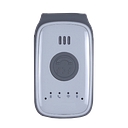
| LifeFone | ~$29.95 | Longest Mobile Battery Life | Landline, Cellular, GPS, Wi-Fi | 1,300 feet |
To narrow down the absolute best device for your situation, could you tell me:
If you want **one best overall choice**, I’d pick **Medical Guardian** for most people. Both AARP’s 2026 testing and the National Council on Aging rank it as their **best overall** system, citing fast response times, strong GPS performance, good device choices, and useful caregiver features.…
If you want one best overall choice, I’d pick Medical Guardian for most people. Both AARP’s 2026 testing and the National Council on Aging rank it as their best overall system, citing fast response times, strong GPS performance, good device choices, and useful caregiver features.
One important caveat: fall detection isn't 100% reliable, so it should be considered an extra layer of protection rather than a replacement for pressing the help button when possible.
If you tell me (1) the person's age, (2) whether they live alone, (3) mostly home vs. out and about, and (4) your monthly budget, I can narrow this to the best 2–3 systems for your situation, including current prices and whether Medicare Advantage might help pay.
Choosing the **best medical alert system** depends heavily on whether you need protection primarily inside the house or while on the go. Industry tests and consumer reviews from organizations like the [National Council on Aging…
Choosing the best medical alert system depends heavily on whether you need protection primarily inside the house or while on the go. Industry tests and consumer reviews from organizations like the National Council on Aging (NCOA) and AARP consistently rank a few brands above the rest based on response time, fall detection accuracy , and overall value.
The top medical alert systems are compared below by their primary strengths:
| Brand | Starting Monthly Price | Key Advantage | Best For |
|---|---|---|---|
| Medical Guardian | ~$30 – $45 | Top-tier equipment & range | Active seniors wanting precise GPS/mobile tech |
| Bay Alarm Medical | ~$25 – $30 | Best customer service & in-home value | Budget-conscious users staying mostly at home |
| MobileHelp | ~$20 – $26 | Best overall value (no hidden fees) | Avoiding equipment or activation costs |
| LifeFone | ~$30 | Longest mobile battery life | Extended trips away from a charging base |
To help narrow down the options, could you tell me:
The top-rated medical alert system overall is **Medical Guardian** , praised by independent testing organizations like the [National Council on Aging (NCOA)](https://www.ncoa.org/product-resources/medical-alert-systems/best-medical-alert-systems/) for its exceptional range, reliable automatic fall detection, and high…
The top-rated medical alert system overall is Medical Guardian , praised by independent testing organizations like the National Council on Aging (NCOA) for its exceptional range, reliable automatic fall detection, and high GPS accuracy.
Because the right system depends heavily on your budget and how active the user is, the top options are categorized below by what they do best.
Direct Comparison of Top Medical Alert Systems
| System | Starting Price | Best For | Standout Feature |
|---|---|---|---|
| Medical Guardian | ~$32 / month | Best Overall Performance | Industry-leading 1,400-foot in-home range and 5-day mobile battery life. |
| Bay Alarm Medical | ~$25 - $28 / month | Best Value & Service | Exceptional, highly rated customer support with very straightforward, low-cost pricing. |
| MobileHelp | ~$20 - $26 / month | Best for Strict Budgets | No upfront equipment or activation fees, making it the most affordable entry point. |
| LifeFone | ~$30 / month | Best Battery & Warranty | Mobile tracking devices that stay charged for up to 5 to 16 days depending on the unit. |
Top Product Recommendations
Key Buying Tips
To help narrow down the absolute best device for your needs, could you tell me:
The “best” medical alert system depends on what you need most (fall detection, living alone, leaving the house, budget, caregiver features). For many older adults, these are among the strongest choices in 2026 based on testing and reviews:…
The “best” medical alert system depends on what you need most (fall detection, living alone, leaving the house, budget, caregiver features). For many older adults, these are among the strongest choices in 2026 based on testing and reviews:
| Best for | Recommended system | Why |
|---|---|---|
| Best overall | Medical Guardian | Strong mix of fast response, GPS options, caregiver tools, and device choices. AARP National Council on Aging |
| Best value | Bay Alarm Medical | Good balance of cost, reliability, and in-home/mobile options. ConsumerAffairs |
| Best for staying active outside the home | LifeStation | Known for mobile devices with GPS tracking and on-the-go protection. Forbes |
| Best for fall detection | Medical Guardian or Bay Alarm Medical | Both offer fall detection options; keep in mind no fall detector catches every fall. AARP AARP |
| Best no-subscription alternative | A smartwatch with emergency features (such as Apple Watch or Samsung Galaxy Watch models) | Can provide emergency calling and health features, but may not replace a dedicated 24/7 medical monitoring service. Forbes |
If you tell me who it’s for (age, lives alone or not, home only vs. outdoors, fall risk, and budget), I can narrow it down to the best 1–2 choices.
The best overall medical alert system is **Medical Guardian** , praised by expert testing from organizations like the [National Council on Aging (NCOA)](https://www.ncoa.org/product-resources/medical-alert-systems/best-medical-alert-systems-with-fall-detection/) for its industry-leading 1,400-foot in-home range and…
The best overall medical alert system is Medical Guardian , praised by expert testing from organizations like the National Council on Aging (NCOA) for its industry-leading 1,400-foot in-home range and highly accurate fall detection performance.
Because medical alert needs differ by budget, lifestyle, and technical preference, several top-rated systems stand out in specific categories.
Top Medical Alert Systems Compared
| System | Best For | In-Home Range | Starting Monthly Fee | Top Features |
|---|---|---|---|---|
| Medical Guardian | Best Overall & Premium Features | Up to 1,400 feet | ~$32 | 8-second average response time, excellent mobile GPS tracking |
| Bay Alarm Medical | Best Customer Care | Up to 1,000 feet | ~$28 | 16-second average response time, great multi-device bundles |
| MobileHelp | Best Value & Budget Choice | Up to 1,400 feet | ~$26 | No hidden equipment or activation fees, affordable cellular plans |
| LifeFone | Best Battery Life | Up to 1,300 feet | ~$30 | On-the-go devices that stay charged for up to 5–16 days |
| ADT Health | Best Traditional In-Home | Up to 600 feet | ~$27 | Backed by a massive professional security monitoring network |
Best Product Options
Critical Features to Consider
To help narrow down the ideal system, tell me:
If you want **one best overall choice**, I’d currently pick **Medical Guardian**. It is the 2026 top pick from the National Council on Aging and AARP, with particularly strong response times, device options, and fall-detection performance. [National Council on…
If you want one best overall choice, I’d currently pick Medical Guardian. It is the 2026 top pick from the National Council on Aging and AARP, with particularly strong response times, device options, and fall-detection performance.
For an older adult who lives alone, I'd lean toward Medical Guardian with fall detection. If the person primarily stays at home and you want to keep the monthly cost down, Bay Alarm Medical is probably the better value.
One important point: fall detection isn't perfect. Even Medical Guardian says it may miss some falls, so the wearer should press the SOS button whenever possible.
If you tell me (1) the person's age, (2) whether they live alone, (3) mostly home or also drive/go out, and (4) your monthly budget, I can narrow it down to the best specific device and plan for them.
The best overall medical alert systems are **Bay Alarm Medical** , highly rated for its affordable pricing and fast response times, and **Medical Guardian** , which offers the quickest response speeds and premium high-tech devices.[](https://www.theseniorlist.com/medical-alert-systems/best/)…
The best overall medical alert systems are Bay Alarm Medical , highly rated for its affordable pricing and fast response times, and Medical Guardian , which offers the quickest response speeds and premium high-tech devices.
When choosing a medical alert system, the right option depends on whether you need simple in-home coverage, a mobile device with GPS, or advanced fall detection.
Comparison of the Best Medical Alert Systems
| Provider | Notable Superlative | Key Advantage | Starting Monthly Cost |
|---|---|---|---|
| Bay Alarm Medical | Best Overall Value | Extremely fast 16-second response time and low starting fees. | From $27.95/mo |
| Medical Guardian | Best High-Tech & Speed | Industry-leading 8-second response speed and up to 5 days of battery life. | From ~$33/mo |
| MobileHelp | Best Budget Choice | Lowest starting monthly rate with zero hidden equipment or activation fees. | From $25.95/mo |
| ADT Medical Alert | Best In-Home System | Reliable home base stations with zero equipment costs from an industry-trusted security brand. | From $26.99/mo |
| Lively | Best Mobile All-in-One | Excellent cellular coverage using a dedicated mobile pendant or specialized smartphone. | From $24.99/mo |
Top Medical Alert Systems Detailed
Important Buying Considerations
To help you narrow down the perfect system, let me know:
The **best medical alert system depends on the person’s lifestyle, mobility, and whether they need fall detection or protection outside the home**. There isn’t one universal winner, but these are among the strongest options in 2026. [National Council on…
The best medical alert system depends on the person’s lifestyle, mobility, and whether they need fall detection or protection outside the home. There isn’t one universal winner, but these are among the strongest options in 2026.
Best for: Most older adults who want a reliable, easy-to-use system
Pros
Cons
Several 2026 reviews rank Bay Alarm Medical among the top overall choices.
Best for: People who want lots of device options (pendants, watches, mobile units)
Pros
Cons
Medical Guardian is frequently rated highly for versatility and fast response performance.
Best for: Someone who drives, shops, walks, or travels alone
Look for:
Mobile medical alert systems are often a better fit than home-only units for active users.
Best for: Lower-cost in-home protection
Pros
Cons
Medical Alert## Best no-monthly-fee alternative: Apple Watch Series 10 (for tech-comfortable users)
Best for: Someone who already uses a smartphone and can manage charging and settings
Features can include:
Downside: It is not the same as a dedicated medical alert service with a 24/7 monitoring center.
Before buying, check:
If you tell me who it’s for (age, living alone or not, home vs. active outside, fall risk, and budget), I can narrow it to the best 1–2 choices.