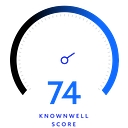
Data as of Aug 16, 2026 · Based on 302 AI responses from ChatGPT Search and Google AI Mode · See how Parse measures this

 Healthline
Your brand can be here too.
Source | Citation share |
|---|---|
 7 Tips for How To Lose 10 Poundshttps://health.clevelandclinic.org/weight-loss-how-to-shed-10-pounds-for-good | 5.5% |
Weight loss: 6 strategies for success - Mayo Clinichttps://www.mayoclinic.org/healthy-lifestyle/weight-loss/in-depth/weight-loss/art-20047752 | 5.1% |
How to Lose Weight Fast: Scientific and Sustainable Tipshttps://www.healthline.com/nutrition/how-to-lose-weight-as-fast-as-possible | 4.7% |
 How to Lose 10 Pounds in a Month: Effective Tips for Safe Weight Loss - Crunchhttps://www.crunch.com/thehub/how-to-lose-10-pounds-in-a-month-effective-tips-for-safe-weight-loss/ | 4.0% |
 Steps for Losing Weight | Healthy Weight and Growth - CDChttps://www.cdc.gov/healthy-weight-growth/losing-weight/index.html | 3.7% |
 5 Simple Ways to Achieve Sustainable Weight Losshttps://www.compasscommunityhealth.org/post/5-simple-ways-to-achieve-sustainable-weight-loss | 2.4% |
How to Lose Weight Fast: Scientific and Sustainable Tipshttps://www.healthline.com/nutrition/10-graphs-with-effective-ways-to-lose-weight | 2.4% |
 11 ways to lose 10 pounds safelyhttps://www.medicalnewstoday.com/articles/321493 | 2.4% |
Can you Lose 10 Pounds in a Month?https://www.healthline.com/nutrition/lose-10-pounds-in-a-month | 2.1% |
 Tips for losing weight safely | NHS informhttps://www.nhsinform.scot/healthy-living/weight-loss/tips-for-losing-weight-safely/ | 1.6% |
Here are top web results for exploring this topic:
Mayo Clinic·https://www.mayoclinic.org The Mayo Clinic Diet: A weight-loss program for life The goal is to change lifestyle habits to lose up to 6 to 10 pounds (2.7 to 4.5 kilograms) in a safe and healthy way. This first part of the program focuses on starting new habits and ending unhealthy
Centers for Disease Control and Prevention | CDC (.gov)·https://www.cdc.gov Steps for Losing Weight | Healthy Weight and Growth - CDC A lifestyle with good nutrition, regular physical activity, stress management, and enough sleep supports a healthy weight. People who lose weight at a gradual, steady pace—about 1 to 2 pounds a week—a
Knownwell·https://www.knownwell.co How to Lose 10 Pounds : A Realistic , Evidence-Based Guide Breaking the cycle. The way to break out of the lose-regain pattern is by making gradual changes you can maintain over time. Small, consistent habits like balanced meals, regular movement, and better
Cleveland Clinic Health Essentials·https://health.clevelandclinic.org How To Shed 10 Pounds — For Good!If you want to lose 10 pounds, focus on mindful eating, intermittent fasting, physical exercise, reducing your stress and getting a good night's sleep.
British Heart Foundation·https://www.bhf.org.uk 5 steps to sustainable weight loss - British Heart Foundation 1. Understand what causes obesity. Obesity is not caused by 'a lack of willpower'. Many factors around food and activity influence weight gain. · 2. Work out your healthy weight. Set yourself a weight
Forbes·https://www.forbes.com How To Lose 10 Pounds In A Month, According To Experts - Forbes 9 Expert Tips for Safe Weight Loss. Weight loss and maintenance is a long-term journey and one that looks different for everyone. · Keep a Weight Loss Journal. Keeping a food diary and tracking your c
TriHealth·https://www.trihealth.com 5 Ways to Quickly Lose 10 Pounds | TriHealth 1. Eat Healthy. Healthy eating is one of the best ways to aid weight loss. This means staying away from packaged and processed foods, and instead focusingon eating fresh foods. “I recommend pairing le
Healthline·https://www.healthline.com How to Lose Weight Fast : Scientific and Sustainable Tips - Healthline For sustainable weight loss, focus on habits you can stick with, like cutting carbs, eating more protein, lifting weights, and getting enough sleep. Build meals with protein, healthy fats, vegetables, www.joyaobgyn.com·https://www.joyaobgyn.com/post/sustainable-weight-loss-plan Creating a Sustainable Weight Loss Plan: Tips and Tricks What Is Sustainable Weight Loss? Whenever people visit Dr. Joya Women's Healthcare clinic for weight issues, they always ask how can I sustainably lose weight. Well, it is a lifestyle where your eatin
Crunch Fitness·https://www.crunch.com How to Lose 10 Pounds in a Month: Effective Tips for Safe Weight Loss While losing 10 pounds in a month might push this range, it's doable by making smart changes to your diet and exercise routine. Start by creating a calorie deficit—burning more calories than you consu
No sources cited
Yes. Losing 10 pounds can be a realistic goal, but the most sustainable approach is gradual rather than aggressive.
A good target is roughly 1–2 pounds per week, although slower loss is perfectly fine. NIH guidance also suggests that an initial goal of 5–10% of starting body weight over about 6 months is realistic.
So, for 10 pounds, think in terms of about 2–4+ months, rather than trying to do it in a few weeks.
1. Create a modest calorie deficit.
You don't need a crash diet. Base most meals around:
You can still eat foods you enjoy; NIDDK specifically notes that favorite higher-calorie foods can fit into a weight-loss plan in reasonable portions.
2. Prioritize protein and fiber.
They're useful for making meals more filling, which can make a calorie deficit easier to maintain. Rather than obsessing over individual foods, build meals around a protein + vegetables/fruit + a sensible carbohydrate or whole grain.
3. Move regularly.
Aim toward at least 150 minutes of moderate activity per week, such as brisk walking, plus strength training at least 2 days per week. You can build up gradually if you're currently inactive.
4. Don't rely on exercise alone.
Exercise is excellent for health and can help with maintaining weight loss, but controlling food intake is generally an important part of creating the calorie deficit needed for weight loss.
5. Track trends, not individual weigh-ins.
Weigh yourself under similar conditions and look at the trend over several weeks. Day-to-day fluctuations from water, sodium, carbohydrates, and digestion are normal.
6. Make the plan boringly sustainable.
If a diet requires eliminating entire food groups, constant hunger, or an exercise routine you hate, it's probably not something you'll want to maintain. NIDDK emphasizes choosing an eating plan that fits your preferences and that you can stick with long term.
For the next 2 weeks, you could aim to:
If you're already at a healthy weight, are pregnant/breastfeeding, have a history of an eating disorder, or take medications/ have conditions that affect weight, it's worth discussing the goal with a healthcare professional before deliberately restricting calories. NIDDK recommends tailoring weight-loss goals to the individual.
If you tell me your age, sex, height, current weight, and typical activity level, I can estimate a reasonable calorie range and give you a practical 10-pound plan.
Yes. For most adults, 10 pounds is a very reasonable goal, and the best approach is gradual rather than aggressive.
A realistic target is roughly 0.5–2 pounds per week, so losing 10 pounds might take about 2–5 months. Slower loss is completely fine—and often easier to maintain.
1. Aim for a modest calorie deficit You don't need to drastically restrict food. A moderate reduction in calories, combined with activity, is generally more sustainable.
Rather than obsessing over a precise number, start by:
2. Build meals around protein + plants A simple template is:
This is consistent with heart-healthy eating patterns such as DASH.
3. Move regularly You don't need punishing workouts. Walking, cycling, swimming, or other activities you enjoy can contribute to the calorie deficit. Adding some resistance/strength training is also useful for maintaining muscle while losing weight.
4. Don't try to be perfect A sustainable diet should accommodate birthdays, restaurants, vacations, and occasional desserts. Think “mostly healthy” rather than “never eat this again.”
5. Track trends, not individual weigh-ins Your weight can fluctuate substantially from water, sodium, carbohydrates, and digestion. Look at the trend over several weeks rather than reacting to a single day's number. Setting specific behavior goals—such as walking 30 minutes five days a week—can also help.
6. Give yourself enough time For a 10-pound goal, I'd personally think in terms of 3–5 months, rather than trying to accomplish it in a few weeks. The goal is to finish those 10 pounds with habits you can continue afterward.
One important caveat: whether losing 10 pounds is appropriate depends on your current weight, height, age, medications, and health circumstances. If you're already at a relatively low weight, pregnant, under 18, or have a history of an eating disorder, it's worth talking with a healthcare professional before intentionally losing weight.
A healthy, sustainable approach to losing 10 pounds focuses on gradual progress, body composition preservation, and lifelong habits rather than quick fixes. On average, a safe and realistic rate of weight loss is 1 to 2 pounds per week, meaning this goal will take about 5 to 10 weeks.
Core Principles for Sustainable Weight Loss
Actionable Daily Strategies
If you'd like, tell me:
I can help you build a customized, step-by-step weekly plan.

Losing 10 pounds in a healthy, sustainable way comes down to gradual lifestyle adjustments rather than drastic restrictions. A safe rate of weight loss is 1 to 2 pounds per week, meaning a realistic timeline for 10 pounds is about 5 to 10 weeks.
Here is a clear, step-by-step approach to reach your goal safely:
If you'd like to tailor this, tell me:
I can help you build a sample daily meal outline or a workout framework to get started.
Yes. For most adults, 10 pounds is a very reasonable goal, and you don't need a crash diet to get there.
A sustainable target is roughly 0.5–1.5 pounds per week, with the CDC noting that people who lose weight gradually—about 1–2 pounds/week—are more likely to keep it off. That puts 10 pounds at roughly 2–5 months, rather than trying to force it off in a few weeks. www.cdc.gov
1. Create a modest calorie deficit.
You don't necessarily need to count every calorie. Instead, reduce portions of calorie-dense foods while emphasizing foods that keep you full: vegetables, fruit, lean protein, beans, whole grains, and minimally processed foods. The CDC specifically notes that constantly counting calories isn't necessary, although understanding your calorie needs can be useful.
2. Make protein and produce the center of meals.
A simple plate approach:
You don't have to eliminate carbohydrates—or any particular food group.
3. Exercise for health and to help preserve muscle.
Aim for regular aerobic activity such as brisk walking, cycling, swimming, or similar activities, plus strength training about 2 days per week. The key is choosing activities you'll actually continue doing.
4. Look for the easiest calories to remove.
Rather than dramatically restricting food, start with things like sugary drinks, frequent alcohol, oversized portions, mindless snacking, or restaurant portions. Keeping the foods you enjoy in reasonable amounts makes the plan much easier to maintain.
5. Track your trend, not individual weigh-ins.
Your weight can fluctuate substantially from day to day. Weighing regularly and looking at the weekly trend can be more informative than reacting to a single number. Setting specific, achievable goals is recommended by both the CDC and NHLBI.
6. Don't underestimate sleep and stress.
Healthy weight management isn't just about food and exercise; adequate sleep and stress management are also part of the picture.
And remember: 10 pounds may be enough to produce meaningful health benefits. For someone weighing 200 pounds, for example, 10 pounds is 5% of body weight, and even a 5–10% reduction can have health benefits.
If you tell me your age, sex, height, current weight, typical activity level, and how quickly you'd ideally like to lose the 10 pounds, I can give you a realistic calorie range and a simple eating/exercise strategy tailored to you.
A realistic and sustainable way to lose 10 pounds is usually to aim for about 0.5–2 pounds per week, meaning a reasonable timeline is roughly 5–12 weeks for many people. Gradual weight loss is more likely to stay off than rapid drops from extreme diets.
A practical approach:
You don’t need to eliminate entire food groups. Focus on changes you can repeat:
A sustainable eating pattern is one you can maintain after you reach your goal, not just one that gets the scale down quickly.
These can help you feel fuller while eating fewer calories.
Simple targets:
A good starting goal:
You don’t need perfect workouts; consistency matters more.
For 2–3 weeks, consider tracking:
Tracking can reveal small habits that make a big difference.
Instead of only “lose 10 pounds,” try:
Weeks 1–2:
Weeks 3–6:
Weeks 7–8:
If you share your age, height, current weight, activity level, and whether you prefer a calorie-counting or non-counting approach, I can help tailor a realistic 10-pound plan.
Losing 10 pounds in a healthy, sustainable way comes down to gradual lifestyle adjustments rather than extreme restriction. A safe rate of weight loss is 1 to 2 pounds per week, meaning reaching your goal will take about 5 to 10 weeks.
Here is a realistic, structured blueprint to get you there:
If you'd like, tell me:
I can help you build a customized daily meal and exercise framework to kickstart your progress.
A healthy, realistic, and sustainable approach to losing 10 pounds centers on gradual progress—typically aiming for a rate of 1 to 2 pounds per week. This means the entire process takes about 5 to 10 weeks. Rapid weight loss often results in losing water and muscle mass rather than fat, which makes it harder to keep off.
Here is a structured, sustainable blueprint to reach your goal:
For reliable tracking and evidence-based guidance, you can consult resources like the CDC Healthy Weight Guide or the Mayo Clinic Weight Loss Advice.
If you want to tailor this further, tell me:
I can help you build a customized daily framework.
Losing 10 pounds is a realistic goal for many people, and the approach that tends to work best is one you can comfortably maintain for months, not just weeks.
A good target is to lose about 1–2 pounds per week, so reaching your goal will likely take 5–10 weeks. That pace is associated with a better chance of keeping the weight off long term.
Here are the habits that make the biggest difference:
A sample day might look like:
To stay on track:
If you have conditions such as diabetes, kidney disease, or take medications that affect weight, it's a good idea to discuss a weight-loss plan with your healthcare provider before making major changes.
If you tell me your age, sex, height, current weight, and activity level, I can estimate your daily calorie needs and suggest a personalized plan to lose those 10 pounds.